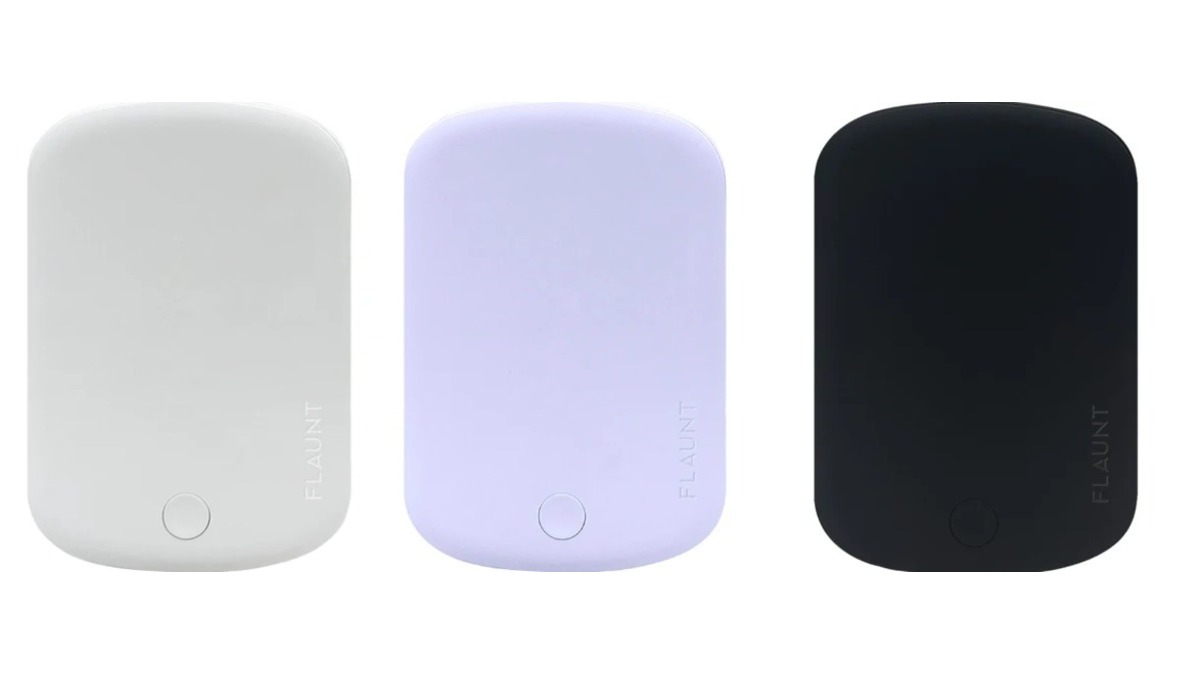
The smartphone market constantly seeks novel ways to differentiate devices, and some Android brands are taking a bold step with magnetic rear screens. These innovative displays, often customizable and designed to snap onto the back of phones, offer users a unique blend of style and utility. They can serve various purposes, from displaying notifications and personalized images to providing additional controls or even extending battery life with e-paper technology.
This move towards modular or customizable rear displays is creating excitement and pushing the boundaries of smartphone design. However, it also highlights a curious hesitance from major players like Samsung and Google. Both companies, known for their prowess in design and innovation, have yet to embrace this trend, sticking to more conventional smartphone aesthetics. Competitors are demonstrating that consumers crave more than just improved cameras and faster processors; they desire devices that offer genuinely new interactive experiences and personal expression. The question remains why these tech giants, typically at the forefront of smartphone evolution, are not exploring this promising avenue. Their reluctance could indicate concerns about cost, durability, or user adoption, but it also means they might be missing out on a feature that could significantly attract the next generation of smartphone users.