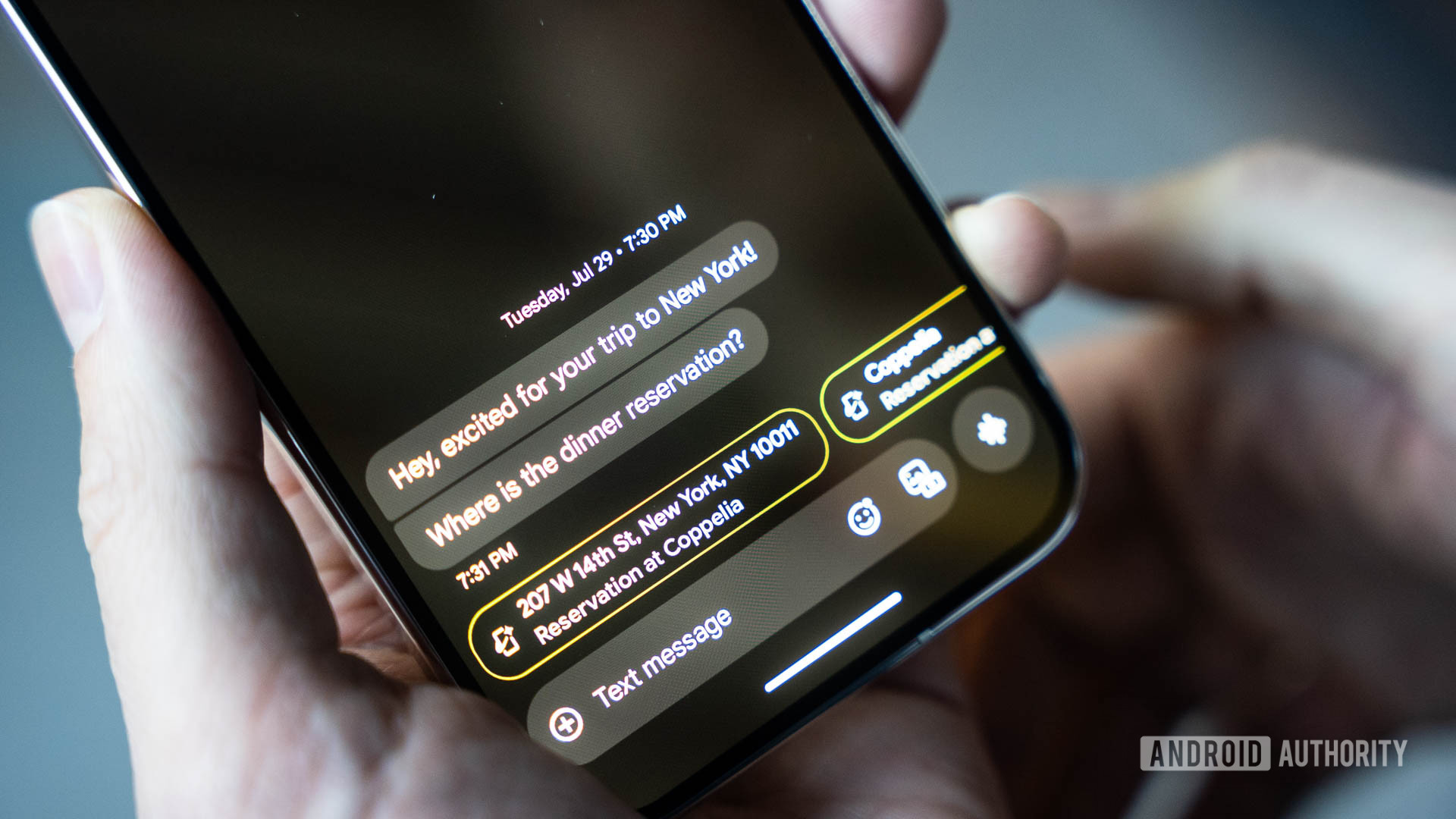
Google is progressively rolling out its Contextual Suggestions feature to a broader range of Android devices beyond its own Pixel lineup. This move marks a significant expansion for a feature renowned for its ability to learn user habits and provide intelligent shortcuts and information based on current activities and anticipated needs.
Affiliate contentGames up to -90% off
Instant key delivery on Instant Gaming
Browse deals →Initially celebrated as a marquee Pixel software enhancement, Contextual Suggestions leverages on-device machine learning to predict what a user might want to do next. For instance, if a user consistently listens to music during their morning commute, the feature might proactively suggest launching their preferred music streaming app. Or, if they frequently order coffee upon arriving at work, it could display a quick shortcut to their coffee shop's order page. This proactive assistance greatly streamlines daily tasks, reducing the need for multiple taps and searches.
The integration of Contextual Suggestions into devices like the Galaxy S25 Ultra and OnePlus 15 indicates Google's strategy to democratize its most intelligent Android features. By making such powerful, habit-learning capabilities accessible to a larger user base across various manufacturers, Google is not only elevating the overall Android experience but also subtly nudging other OEMs to embrace and further integrate these advanced AI-driven functionalities. This expansion is a testament to Google's commitment to making Android more intuitive and anticipatory for everyone, irrespective of their chosen device brand, ultimately making smartphones feel more 'smart' and personalized.