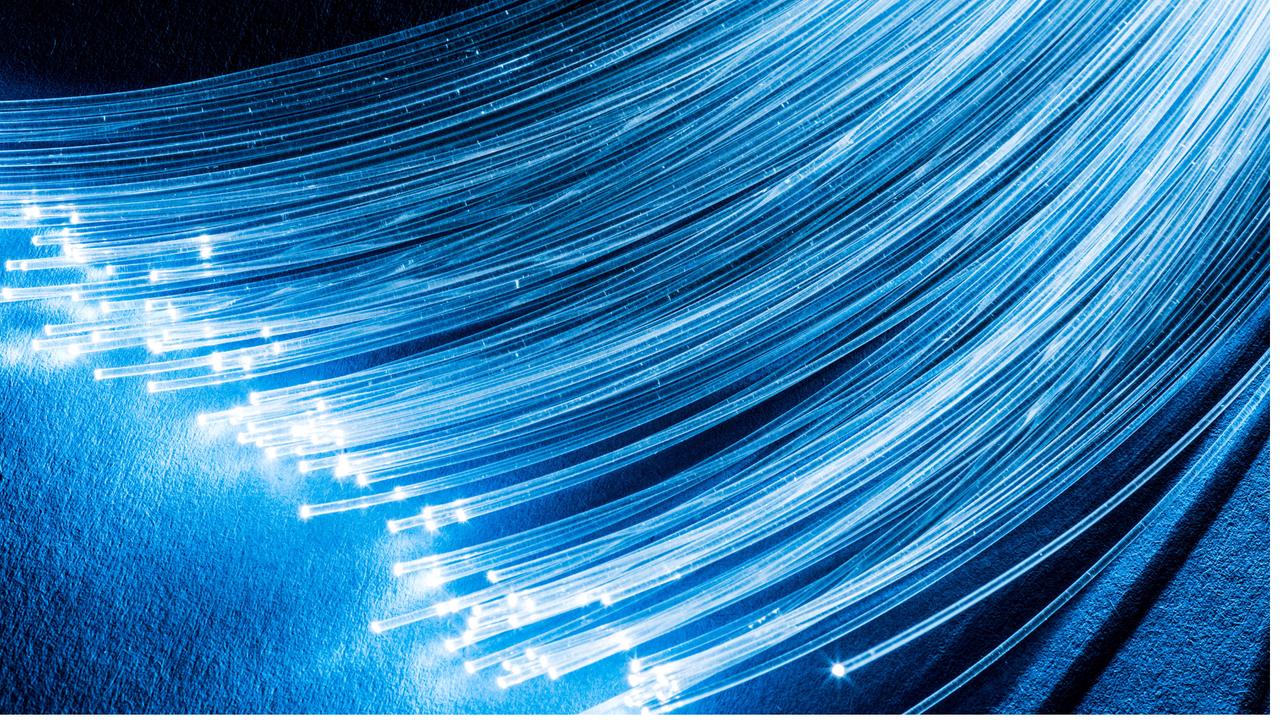
A consortium of Chinese technology giants, including YOFC, China Telecom, and Dekoli, has announced a groundbreaking achievement in optical communications. They have successfully conducted a field trial demonstrating a data transmission rate of 51.3 terabits per second (Tb/s) over an impressive distance of 206.5 kilometers (approximately 128 miles) using hollow-core fiber. What makes this feat particularly remarkable is that it was accomplished without the need for signal regeneration or remote-pumped amplifiers, a significant step forward in reducing network complexity and operational costs.
Affiliate contentGames up to -90% off
Instant key delivery on Instant Gaming
Browse deals →This innovative approach leverages 1.2 Tb/s-per-wavelength WDM (Wavelength Division Multiplexing) transmission, pushing the boundaries of what is currently possible in long-distance data transfer. Hollow-core fibers, unlike traditional solid silica fibers, guide light through an air-filled core, drastically reducing signal attenuation and dispersion. This allows for data to travel faster and with less degradation, making them ideal for high-speed, low-latency applications.
The implications of this breakthrough are profound, especially as the world moves deeper into the artificial intelligence (AI) era. AI applications demand unprecedented levels of data throughput and minimal latency, requirements that current networking infrastructure often struggles to meet efficiently. By proving the viability of such high-speed, long-distance transmission without repeaters, these Chinese companies are paving the way for a new generation of networking that can effectively handle the intensive data demands of AI, cloud computing, and advanced scientific research. This could dramatically improve internet infrastructure and facilitate the global data economy.