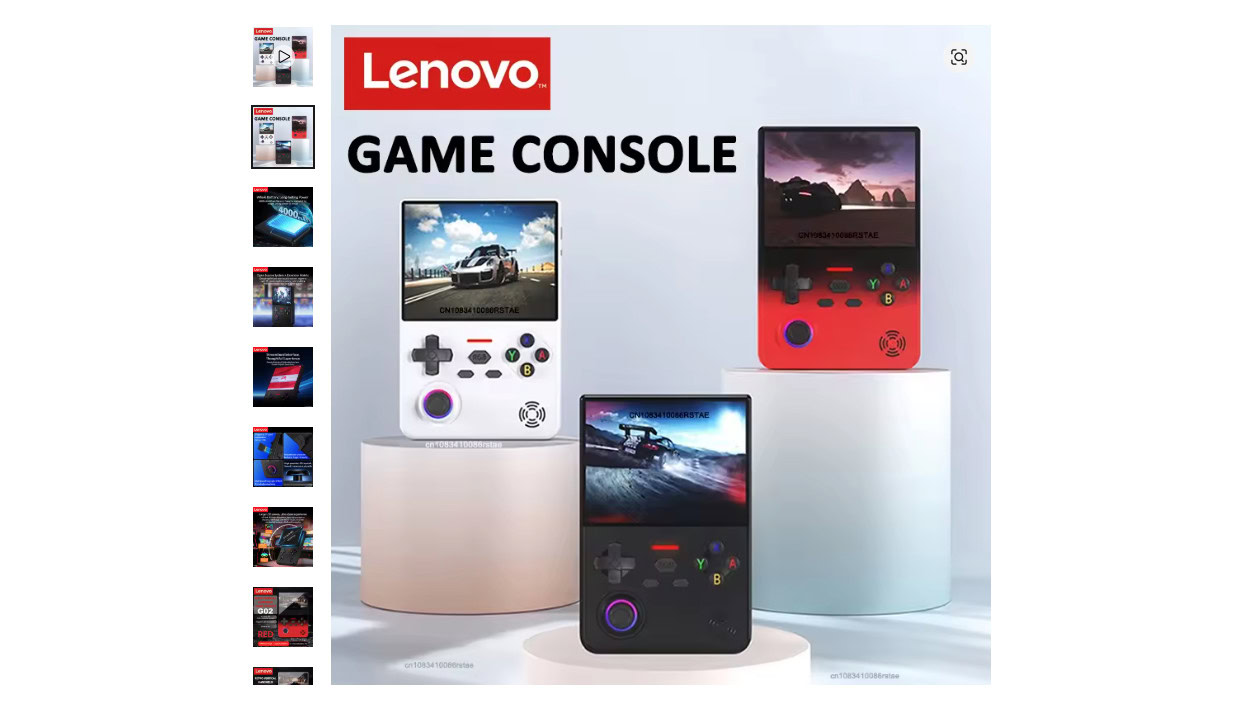
What initially appeared to be a suspicious, unbranded handheld gaming device circulating with Lenovo's name attached has prompted a clarification from the tech giant. The device, which had raised eyebrows due to its pre-loaded collection of copyrighted games, sparked concerns about intellectual property infringement and unauthorized distribution.
Affiliate contentGames up to -90% off
Instant key delivery on Instant Gaming
Browse deals →Lenovo has since issued a statement explaining the situation. According to the company, the handheld console in question is a legitimate product developed for sale exclusively within the Chinese market. It is designed to offer a portable gaming experience to consumers in that region. The critical distinction, however, lies in the software. Lenovo asserts that any copyrighted games found on these devices are not pre-installed by them directly.
Instead, third-party distributors or retailers operating within the market are reportedly adding these unauthorized titles after the original manufacturing process. This practice, common in certain regions, allows sellers to bundle popular games onto devices to increase their appeal, often without the consent or knowledge of the original manufacturer. Lenovo’s statement aims to distance itself from the illicit distribution of copyrighted material, emphasizing that while the hardware itself is authentic and intended for specific markets, the integration of pirated content is an action taken by independent entities, not the company directly. This sheds light on the complexities of intellectual property enforcement in global markets and the challenges OEMs face in controlling the final product sold by resellers.