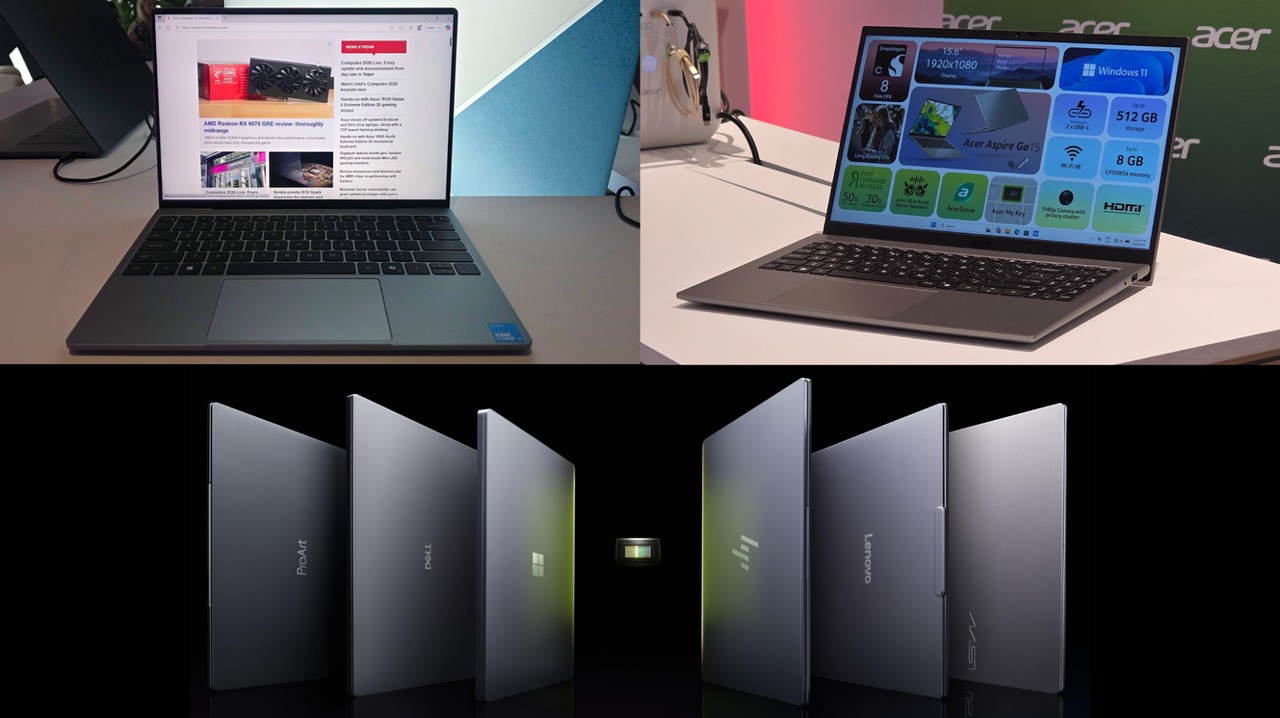
Computex 2026, typically a hotbed for groundbreaking hardware announcements, showcased a laptop market that has clearly split into two distinct and largely incomparable segments. With a notable absence of revolutionary new GPUs or major mobile CPU platform launches, the focus shifted dramatically to the diverging needs and budgets of consumers.
Affiliate contentGames up to -90% off
Instant key delivery on Instant Gaming
Browse deals →On one end of the spectrum, the event revealed numerous new competitors aiming squarely at the 'MacBook Neo' market. These laptops were characterized by their affordability and practical specifications, frequently featuring 8GB of RAM and targeting users who prioritize value and efficiency for everyday tasks. These devices presented themselves as accessible alternatives for a broad consumer base, emphasizing cost-effectiveness without compromising on essential functionality.
Conversely, the other dominant trend revolved around significantly more expensive laptops, heavily featuring Nvidia technology and promising an agentic-focused future, particularly for Windows on Arm platforms. These high-performance machines are designed for users demanding cutting-edge AI capabilities, extensive processing power, and a premium computing experience. The stark contrast between these two categories—affordable, efficiency-focused machines and high-end, AI-centric powerhouses—illustrates a polarized market responding to deeply different consumer expectations and purchasing power. This bifurcation suggests that manufacturers are keenly aware of the diverse financial and technological requirements across the user base, tailoring their offerings accordingly to capture distinct market segments.