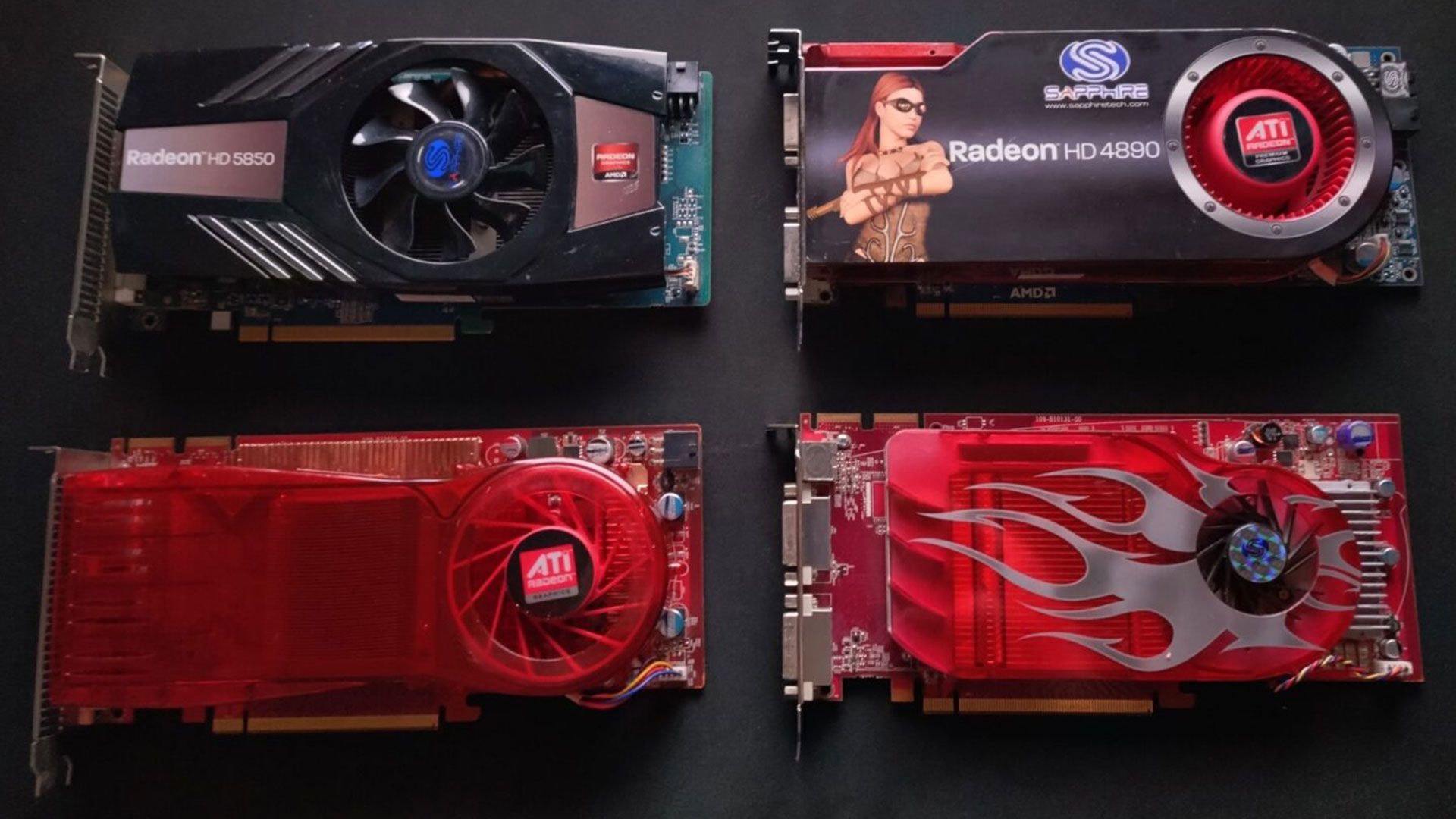
Long-term software support is a cornerstone of the Linux ecosystem, but resolving bugs on hardware released nearly two decades ago remains a rare achievement. Owners of legacy AMD Radeon HD 2000 and HD 3000 series graphics cards, which first debuted back in 2007 and 2008, have long struggled with corrupted video playback and visual artifacts when attempting hardware acceleration on modern Linux kernels. Now, thanks to a determined independent contributor, a functioning patch has finally resolved this long-standing issue.
Affiliate contentGames up to -90% off
Instant key delivery on Instant Gaming
Browse deals →Interestingly, the developer responsible for submitting the kernel fix revealed that modern artificial intelligence tools played a pivotal role in the discovery. Lacking decades of niche kernel hacking experience, the contributor utilized AI to help parse the labyrinthine legacy codebase, diagnose pipeline bottlenecks, and formulate a viable solution for the open-source Radeon driver. The resulting patch successfully remedies hardware decoding failures, restoring clean multimedia playback on these vintage graphics processors without introducing regressions.
While hardware manufacturers typically abandon support after five to ten years, the open-source community continues to breathe life into forgotten silicon. This achievement highlights not only the longevity of Linux-based platforms but also the evolving role of generative AI in software maintenance. By lowering the barrier to entry for analyzing archaic code, modern developer utilities are making it possible for newcomers to solve ancient technical problems that veteran maintainers lacked the time to address.