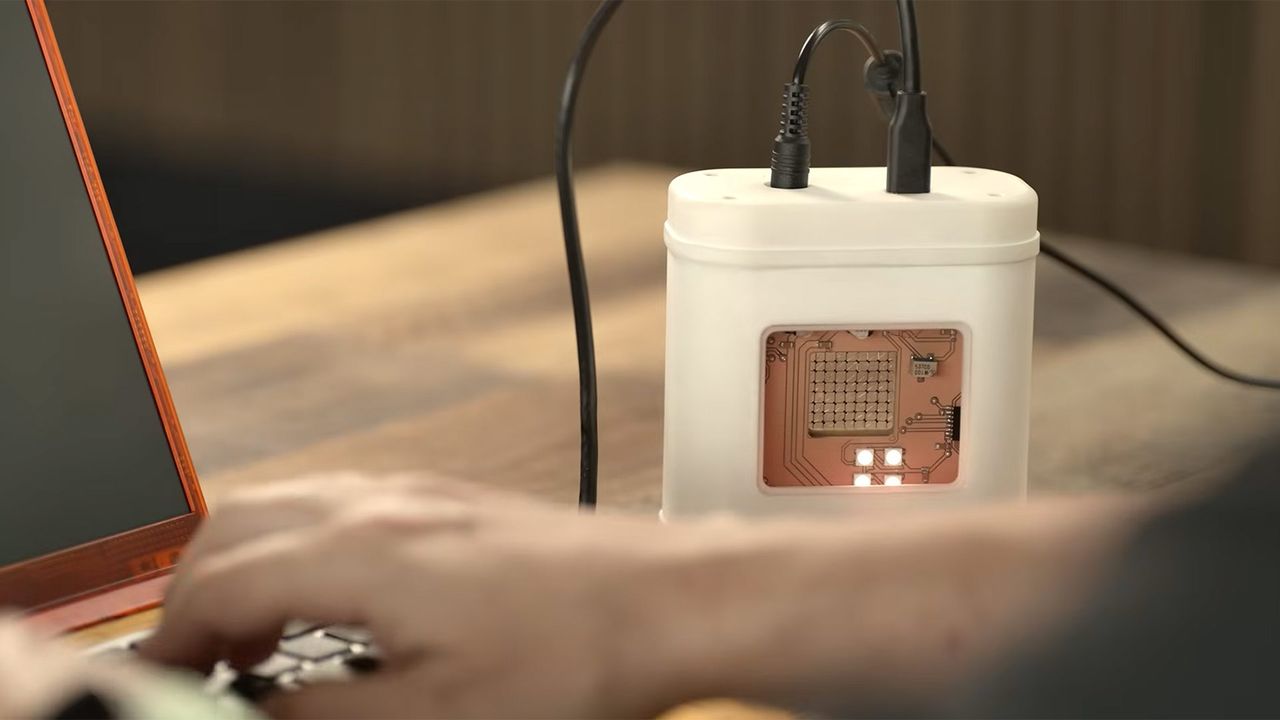
In an era dominated by advanced solid-state drives and high-density RAM, one DIY enthusiast has taken a remarkable step back in time, crafting a functional USB drive based on magnetic core memory. This fascinating project breathes new life into Apollo-era computing principles, using a grid of tiny ferrite rings threaded with wires, a stark contrast to today's silicon-based memory chips.
Affiliate contentGames up to -90% off
Instant key delivery on Instant Gaming
Browse deals →The creator utilized a combination of modern fabrication techniques, including a home CNC machine for precise component work and 3D printing for the casing, to house the intricate core memory array. What makes this endeavor particularly intriguing is the use of salvaged components from vintage Russian computers, adding a layer of historical authenticity and resourcefulness to the build. This 'RAMpocalyse'-inspired project, born from the current high prices and increasing demand for modern memory, offers a whimsical, albeit impractical, alternative.
While the device effectively stores and retrieves data through its meticulously hand-threaded core, its practical application is limited by its mere 64-bit capacity. This means it can only store a handful of characters, serving more as a tangible art piece and an educational tool than a viable storage solution for everyday use. Nevertheless, it stands as a testament to ingenuity and a nostalgic nod to the foundational technologies that paved the way for modern digital computing, demonstrating how ancient concepts can still be brought to life with contemporary craftsmanship.