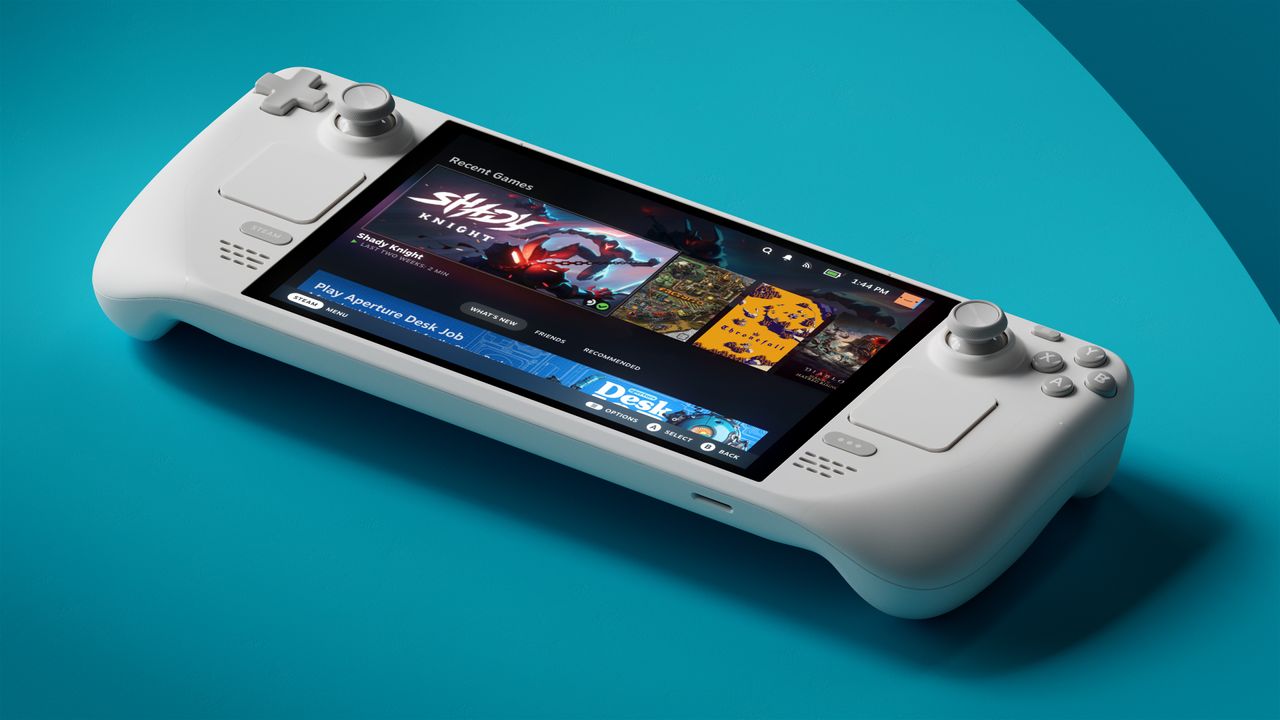
Tim Sweeney, the outspoken CEO of Epic Games, has once again taken to social media to voice his disapproval of a competitor's business practices. This time, his target is Valve, specifically regarding the recent price hikes observed for the Steam Deck. Sweeney’s post on X (formerly Twitter) meticulously outlined the substantial increases, noting that the Steam Deck had seen price jumps ranging from $240 to $300.
In a move characteristic of his confrontational style, Sweeney didn't stop at merely pointing out the price discrepancies. He proceeded to mock Valve founder Gabe Newell, making a sardonic reference to Newell's well-known collection of megayachts. This public jab serves to draw a sharp contrast; while consumers face significant price increases on a gaming handheld, the company's leadership appears to be enjoying immense personal luxury. Sweeney's implication was clear: the rising cost for gamers seems to coincide with the opulent lifestyle of Valve's top executive.
Affiliate contentGames up to -90% off
Instant key delivery on Instant Gaming
Browse deals →Sweeney further contextualized his criticism by comparing the Steam Deck's price adjustments to those of other popular gaming consoles. He noted that the Nintendo Switch 2 and the PlayStation 5 family had seen more modest price increases, typically in the range of $50 to $100. This comparison aimed to underscore the perceived disproportionate nature of Valve's price hikes, suggesting that the Steam Deck's increases were unusually steep in the current market climate.
This isn't the first time Sweeney has publicly challenged industry giants, particularly concerning pricing and platform economics – a stance frequently adopted in Epic's ongoing rivalry with Valve in the PC gaming space. His comments reflect a broader frustration among some gamers and industry observers regarding the perceived value and accessibility of hardware, especially when contrasted with the financial success of platform owners. The episode highlights the intense competition and often public sparring that characterizes the modern gaming industry, with CEOs directly engaging on issues that resonate with their consumer base.