Google's Gemma 4 models are making strides in efficiency, introducing a cutting-edge training trick that drastically cuts down their memory footprint on devices. This advancement is particularly significant for applications running on edge devices and smartphones, where computational resources and memory are often limited.
Affiliate contentGames up to -90% off
Instant key delivery on Instant Gaming
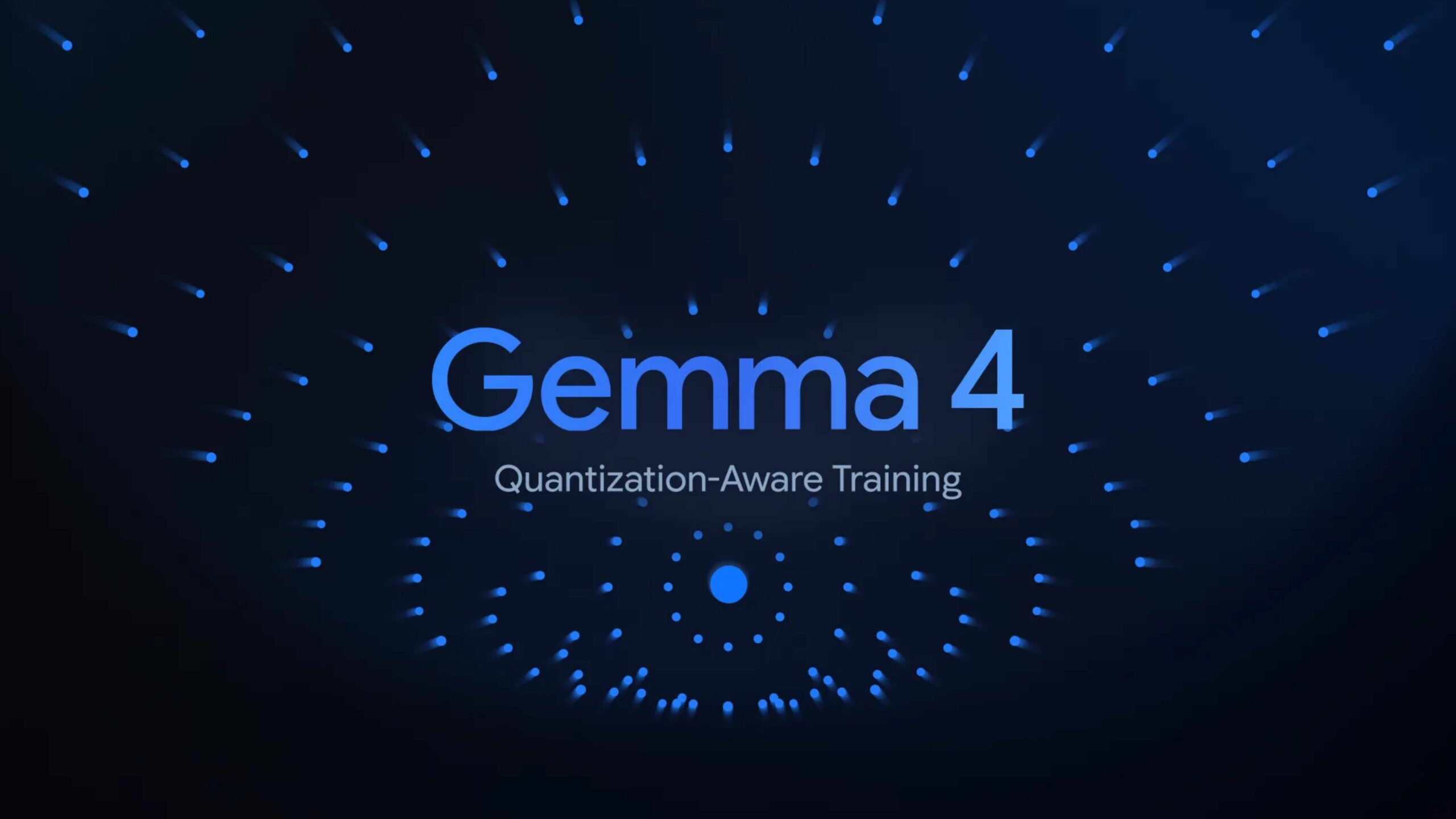
Browse deals →The core of this innovation lies in a technique known as 'quantization-aware training.' Historically, machine learning models were trained using high-precision data (e.g., 32-bit floating point numbers) and then compressed, or 'quantized,' to lower precision (e.g., 8-bit integers) for deployment on devices. The challenge with this traditional approach was that the post-training quantization often led to a noticeable drop in model accuracy and performance.
With quantization-aware training, the models are trained with the quantization process already in mind. This means the neural network learns to compensate for the effects of lower precision during its training phase, ensuring that when it's eventually quantized for on-device deployment, it retains nearly identical performance to its high-precision counterpart. This results in smaller model sizes, faster inference times, and lower power consumption without sacrificing accuracy. For developers, this means the ability to run more sophisticated AI on less powerful hardware, opening up new possibilities for on-device AI applications and enhancing user privacy by processing data locally.