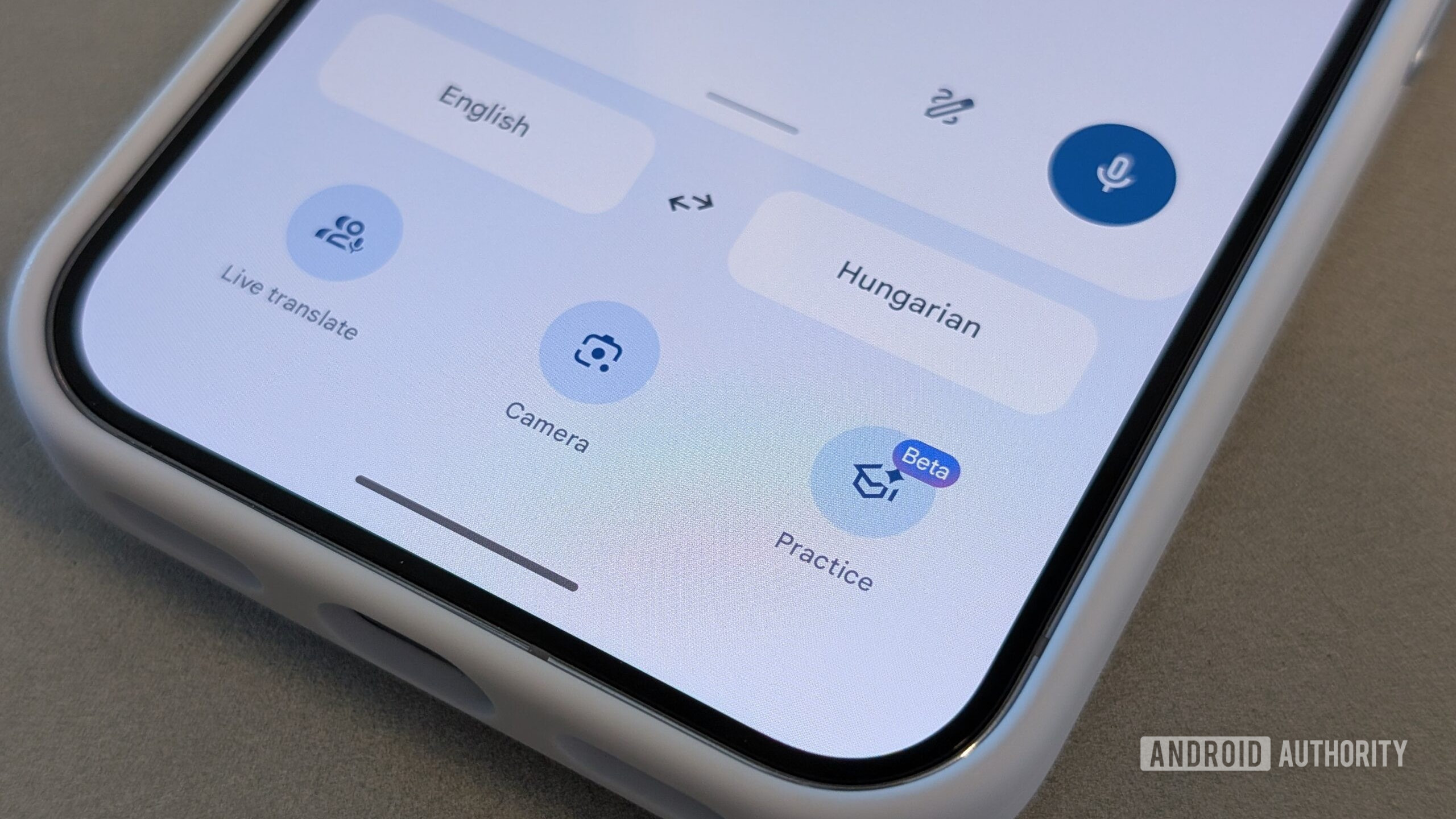
Google's impressive real-time translation feature, a cornerstone of its commitment to breaking down language barriers, is on the verge of a major leap forward. Reports indicate that the tech giant is actively working towards eliminating one of its key limitations: the requirement for headphones.
Currently, to utilize Google's real-time translation effectively in a conversational setting, users typically don headphones to hear translated speech discreetly, while the other party speaks into the device. This setup, while functional, can feel somewhat awkward and less natural than a direct, unmediated exchange. It also presents a barrier for spontaneous use when headphones aren't readily available.
Affiliate contentGames up to -90% off
Instant key delivery on Instant Gaming
Browse deals →The impending update aims to change this dynamic fundamentally. By leveraging advancements in audio processing and potentially directional microphone technology, Google could enable the real-time translation system to function seamlessly using just the phone's built-in speakers and microphones. This would allow translated conversations to flow much more organically, akin to having an invisible, multilingual interpreter facilitating the dialogue.
Such an improvement would vastly expand the utility of the feature, making it more practical for casual encounters, travel, and situations where fumbling with headphones is impractical. Imagine effortlessly conversing with someone in a foreign country, your phone acting as a discreet bridge, providing instant translations audibly without the need for any additional gear. This development underscores Google's continuous dedication to making advanced AI accessible and integrated into everyday life, further blurring the lines between different languages and cultures.