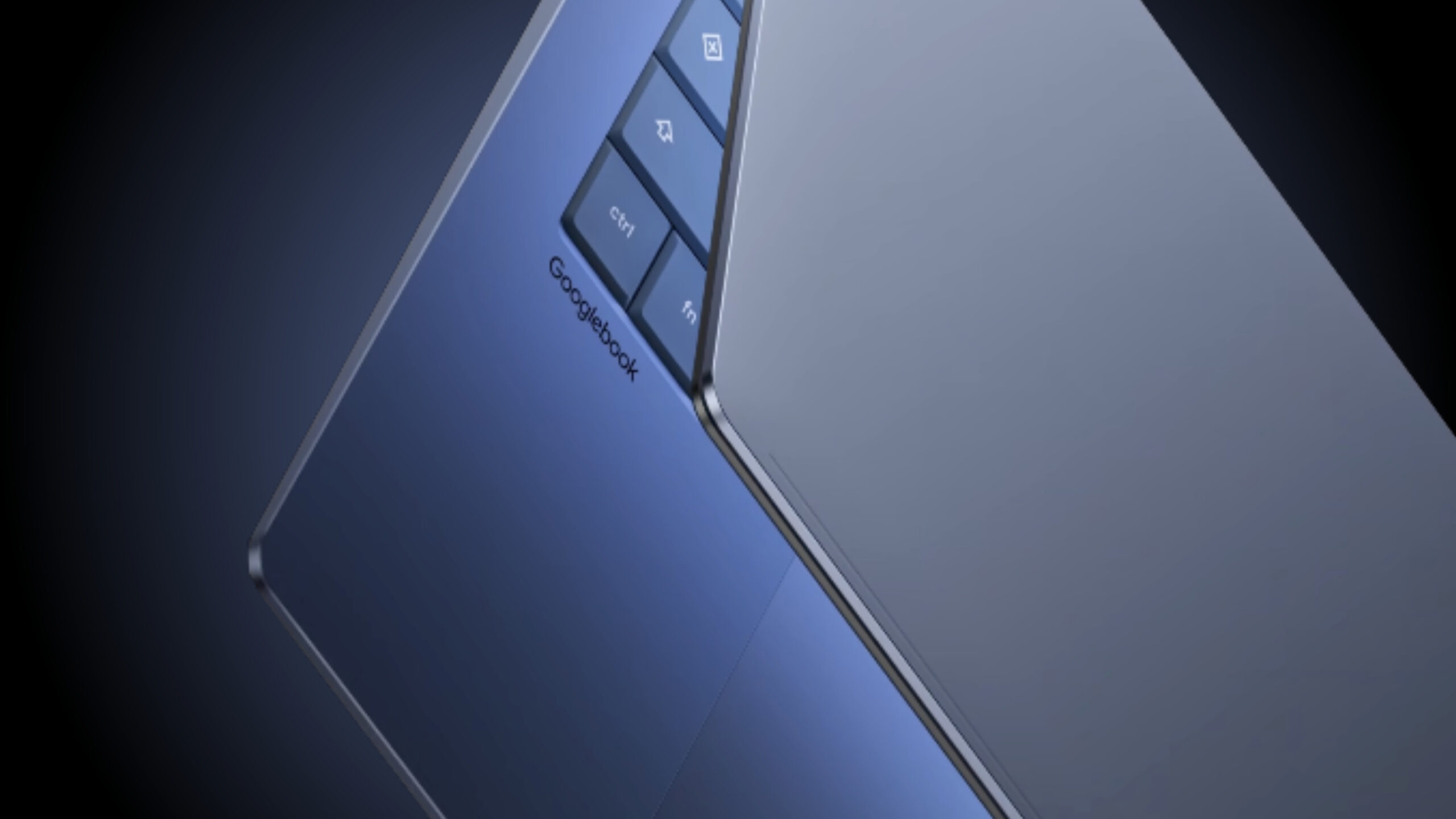
For years, the phrase 'Googlebooks' sparked a certain excitement and speculation within the tech community. Many, myself included, envisioned a revolutionary new category of devices from Google, perhaps a sleek, powerful e-reader or a unique form factor that challenged existing conventions. The anticipation built over time, fueled by cryptic rumors and the inherent trust in Google's capacity for innovation. However, after what felt like an eternity of waiting, the actual release of 'Googlebooks' has proven to be a profound letdown, unveiling a rather uninspired reality.
Affiliate contentGames up to -90% off
Instant key delivery on Instant Gaming
Browse deals →The core issue is a glaring lack of originality: the 'Googlebooks' are, in essence, simply Chromebooks repackaged under a new moniker. There's no distinct operating system, no groundbreaking hardware, nor any innovative features that truly set them apart from the established Chrome OS devices that have been available for years. The user experience, the software ecosystem, and even much of the hardware specifications mirror those of existing Chromebooks, leaving a strong sense of déjà vu and an overall feeling of missed opportunity.
This isn't to say Chromebooks are inherently bad – they serve a crucial niche for affordable, web-centric computing. But the prolonged anticipation around 'Googlebooks' suggested something more. It hinted at a fresh vision, a dedicated platform that could rival or complement the traditional e-reader market or even carve out an entirely new category. Instead, we received a rebranding exercise that offers little in the way of novel functionality or real value proposition beyond what's already on the market. In hindsight, the excitement was misplaced, and the years of waiting now feel largely unwarranted for what ultimately amounts to a semantic rather than a substantive shift.