Back
Tom's Hardware5 h ago

Half-Life Runs at 30 FPS on a Nokia N95, Demonstrating 2007 Phone Power Rivals 1998 PCs

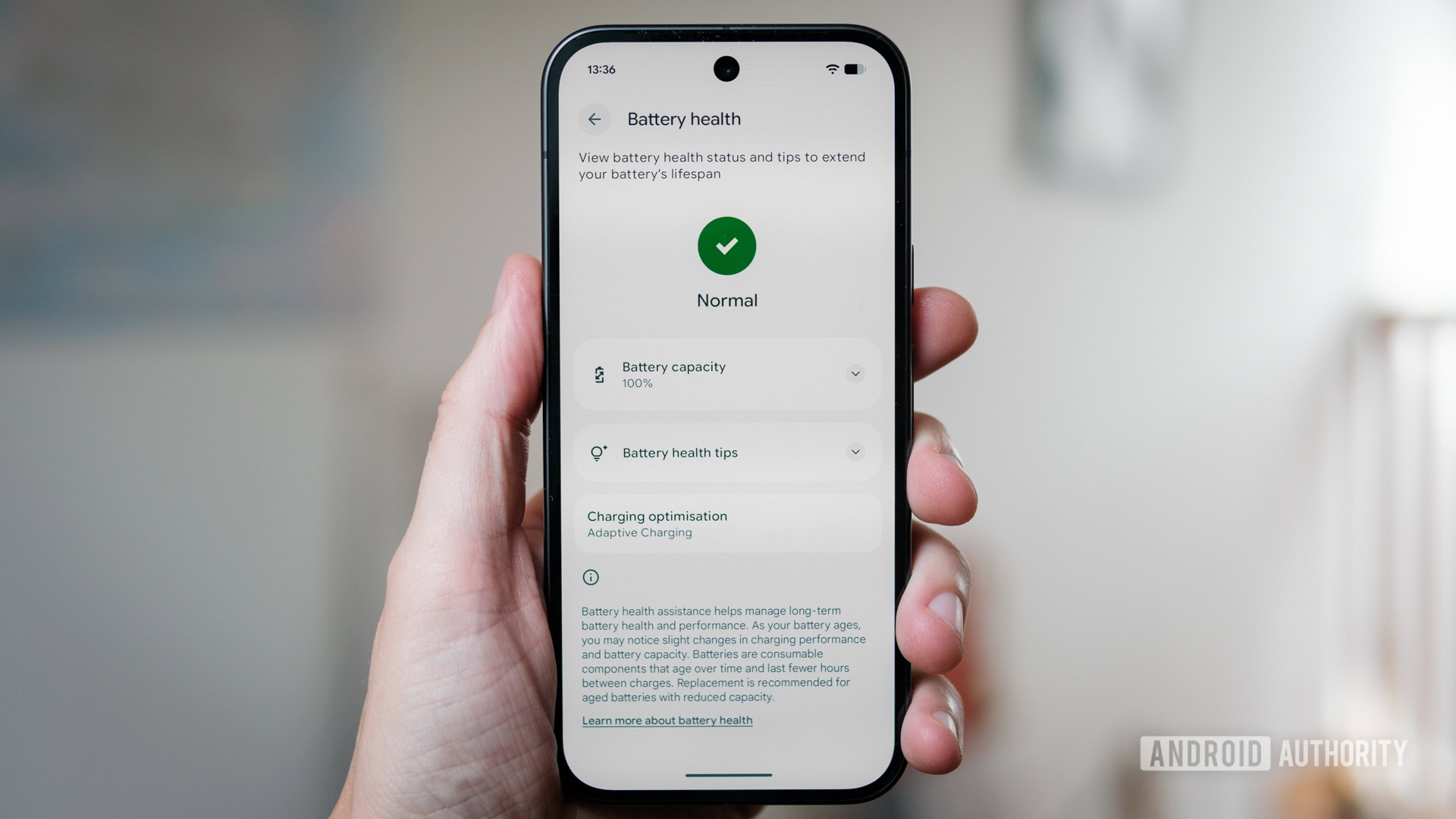
An Argentine developer, Dante Leoncini, has successfully ported the original Half-Life to a 2007 Nokia N95 phone, achieving a playable 30 frames per second. This impressive feat highlights how the computational power of a Symbian-era smartphone from 2007 could surprisingly match the capabilities of desktop PCs from a decade earlier.

Half-Life Runs at 30 FPS on a Nokia N95, Demonstrating 2007 Phone Power Rivals 1998 PCs

In an impressive demonstration of mobile device capabilities, an Argentine developer named Dante Leoncini has managed to get the iconic first-person shooter Half-Life running smoothly on a Nokia N95. This Symbian-powered slider phone, originally launched in 2007, is now capable of delivering the 1998 PC classic at a very respectable 30 frames per second – a frame rate often targeted even by modern consoles for certain games.

Affiliate content
Instant Gaming

Games up to -90% off

Instant key delivery on Instant Gaming

Browse deals →

Leoncini's achievement underscores the significant leaps in mobile processing power that occurred in the late 2000s. The fact that a phone from 2007 can effectively emulate and run a demanding PC game from 1998 at a playable frame rate provides a fascinating perspective on technological advancement. It suggests that the raw computational grunt in a handheld device from that era was, in some ways, on par with what dedicated desktop gaming rigs offered merely a decade prior.

This project isn't just a nostalgic stroll down memory lane for mobile phone enthusiasts; it’s a technical marvel. Porting a complex game like Half-Life, originally designed for x86 architecture, to a mobile platform with different hardware and operating system constraints, requires deep technical skill and optimization. It stands as a testament to both the enduring design of Half-Life and the untapped potential of older mobile hardware when pushed to its limits by a skilled developer. The Nokia N95—a phone known for its advanced multimedia features—now adds early PC game emulation to its list of surprising capabilities.

Summary based on third-party reporting.

Original source: Tom's Hardware

Recommended

AMD's RDNA 5 GPUs Expected Late 2027, Aligning with Nvidia's Next Generation
Tom's Hardware3 h ago

AMD's RDNA 5 GPUs Expected Late 2027, Aligning with Nvidia's Next Generation

Anticipation is building for AMD's RDNA 5 gaming GPUs, with industry partners at Computex hinting at a late 2027 or early 2028 release. This timeline places AMD's new offerings directly alongside Nvidia's rumored RTX 60 series, setting the stage for a competitive next-gen GPU battle.

Read article
ASML Surpasses Expectations, Becomes Europe's Most Valuable Company
Tom's Hardware3 h ago

ASML Surpasses Expectations, Becomes Europe's Most Valuable Company

ASML recently reached a staggering market capitalization of $674 billion, solidifying its position as the most valuable company in European history. This unprecedented valuation reflects strong investor confidence, fueled by anticipated increases in EUV output and its critical role in advanced chip manufacturing.

Read article
Google Secures Massive Compute Power with SpaceX, Projecting Significant Data Center Revenue
Tom's Hardware4 h ago

Google Secures Massive Compute Power with SpaceX, Projecting Significant Data Center Revenue

Google has inked a monumental $920 million monthly deal with SpaceX to secure 110,000 Nvidia GPUs starting in October 2026. This strategic partnership is poised to dramatically boost Google's data center revenue, potentially surpassing its combined income from Starlink, launch services, and AI by 2025.

Read article
RetroPad: The Feature-Rich Notepad from XP, Packed into Under 3KB with x86 Assembly
Tom's Hardware4 h ago

RetroPad: The Feature-Rich Notepad from XP, Packed into Under 3KB with x86 Assembly

A new creation called 'RetroPad' recreates the beloved Notepad experience from Windows XP with full feature parity, yet remarkably occupies less than 3KB of space. Developed by Windows veteran Dave W Plummer using x86 assembly, it showcases incredible efficiency and a nostalgic nod to classic software design.

Read article