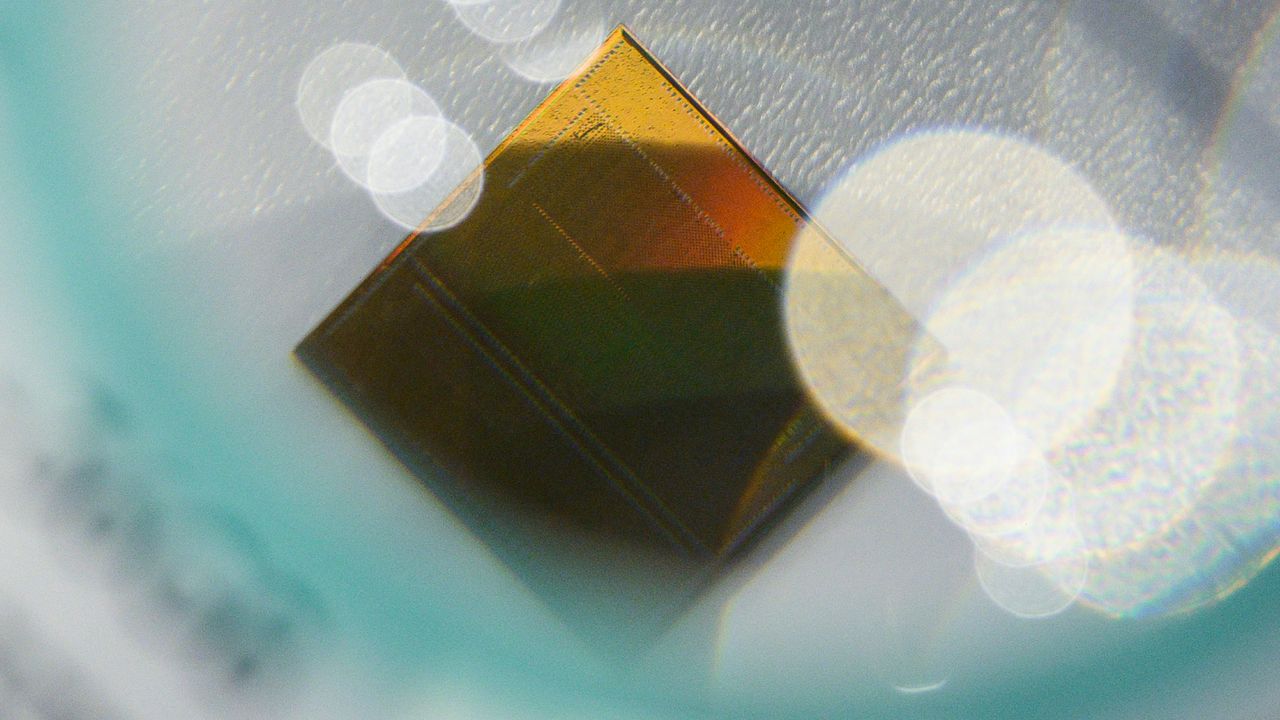
Eric Xu, Huawei's current Rotating Chairman, publicly acknowledged and thanked the United States for the export bans that were imposed on the company and the broader Chinese tech industry. Speaking after the grand reveal of Huawei’s innovative LogicFolding chip architecture, Xu articulated that Washington's sanctions had an unforeseen, positive consequence: they profoundly accelerated the development and self-sufficiency of China’s semiconductor industry. Far from stifling progress, the restrictions compelled Chinese firms, including Huawei, to intensely focus on indigenous research and development.
This concerted effort led to significant investments in domestic chip manufacturing capabilities and the cultivation of a robust local supply chain. The need to overcome external dependencies fostered an environment of rapid innovation, pushing Chinese companies to develop their own technological stacks that now directly compete with established American counterparts. Xu's comments suggest that the US policy, intended to curb China's technological advancement, instead acted as a powerful catalyst, driving a strategic imperative for technological independence within China and nurturing a resilient, self-sustaining semiconductor ecosystem.