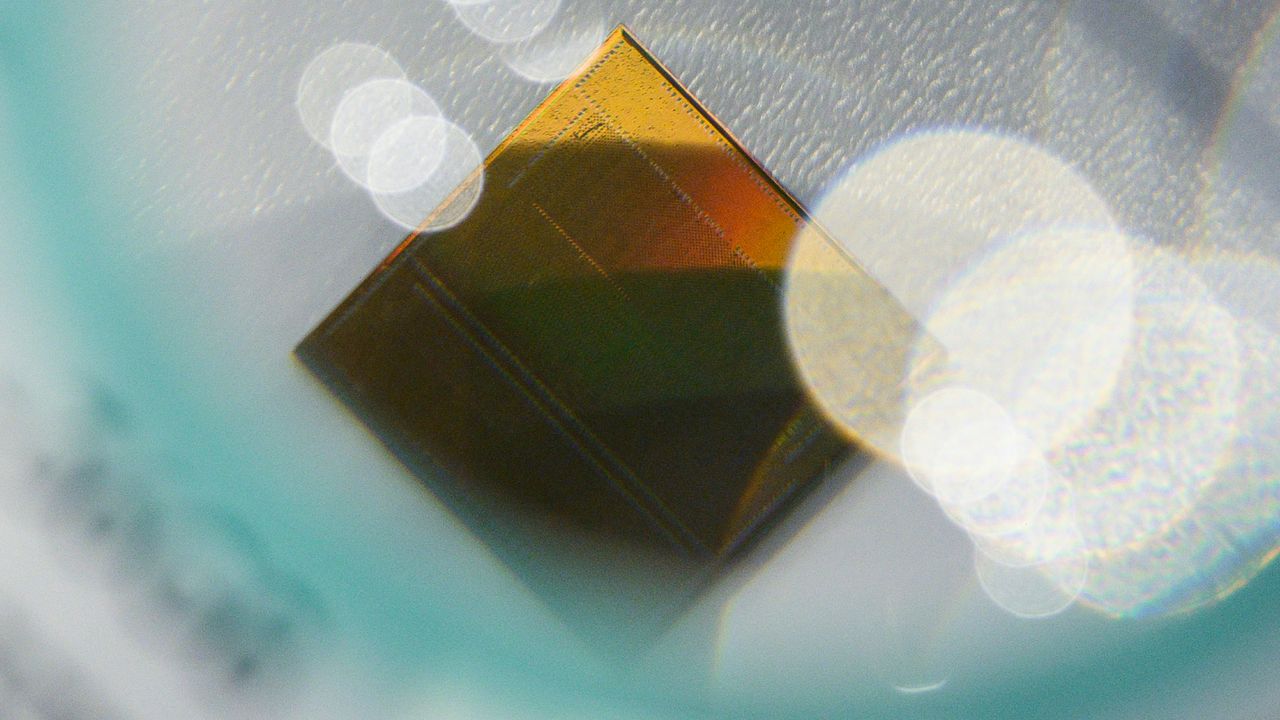
In a pivotal moment for the future of computing, Imec has announced the creation of the world's inaugural silicon quantum dot qubit device, fabricated using cutting-edge High-NA EUV (Extreme Ultraviolet) lithography. This groundbreaking achievement marks a critical milestone, demonstrating that the intricate manufacturing processes required for quantum computing can potentially be integrated into the established and highly scalable semiconductor production ecosystem.
The adoption of High-NA EUV technology – a cornerstone of advanced chip manufacturing for conventional processors – for quantum devices signifies a substantial convergence. Traditionally, quantum computing research has often relied on specialized, less scalable fabrication methods. Imec's development opens the door for quantum processors to follow a similar manufacturing trajectory as high-volume conventional chips, including future AI accelerators.
Affiliate contentGames up to -90% off
Instant key delivery on Instant Gaming
Browse deals →This breakthrough is particularly exciting because it implies that quantum computing might no longer be relegated to bespoke, laboratory-scale production. Instead, it could eventually benefit from the massive investments, infrastructure, and expertise honed over decades in the semiconductor industry. Such integration could dramatically compress the timeline for developing scalable quantum computers, moving them closer to practical application.
By leveraging the same sophisticated lithography tools used for state-of-the-art classical chips, Imec's innovation paves a path towards manufacturing quantum components with unprecedented precision and at potentially much larger scales. This could fundamentally alter the economic and logistical challenges associated with bringing quantum computing from theoretical promise to commercial reality, fostering a manufacturing roadmap that could parallel, and even intertwine with, the rapid advancements in AI processing.