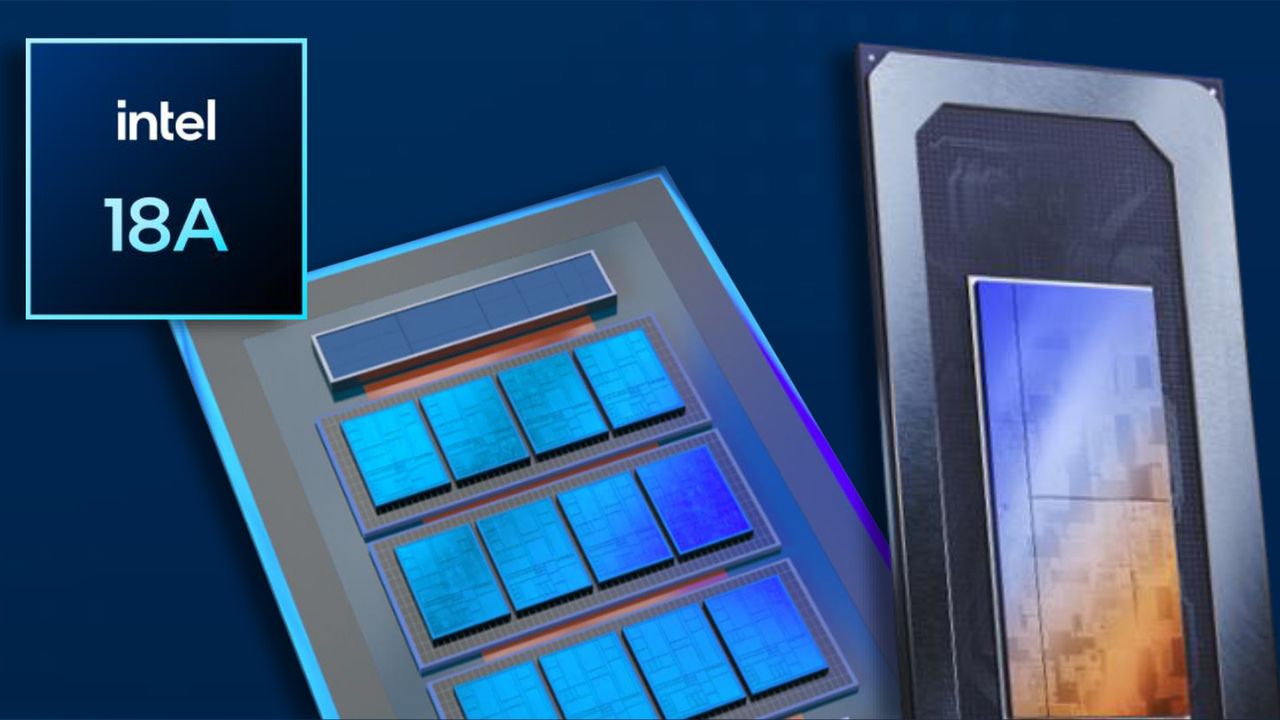
According to recent reports circulating within the semiconductor industry, Intel has achieved a major breakthrough in optimizing its advanced 18A process technology. The company has purportedly resolved key wafer-to-wafer yield issues, a significant challenge that had previously hampered the efficiency and consistency of its manufacturing operations for this cutting-edge node.
Affiliate contentGames up to -90% off
Instant key delivery on Instant Gaming
Browse deals →This resolution marks a crucial step forward for Intel, as the 18A process is central to its ambitious roadmap for regaining leadership in chip manufacturing. While this specific issue appears to be addressed, the reports also subtly hint that other challenges related to the 18A technology might still be under active investigation or resolution. Nevertheless, the successful tackling of the yield problem has immediately translated into a substantial increase in production capacity.
Sources suggest that Intel is now capable of producing up to 15,000 wafers per month using the 18A process at each of its two designated fabrication sites. This surge in output is a strong indicator of improved process stability and a testament to Intel's ongoing efforts to streamline its most advanced manufacturing nodes. The increased wafer production is vital for Intel to meet future product demands and position itself competitively against rivals in the high-performance computing and AI markets.