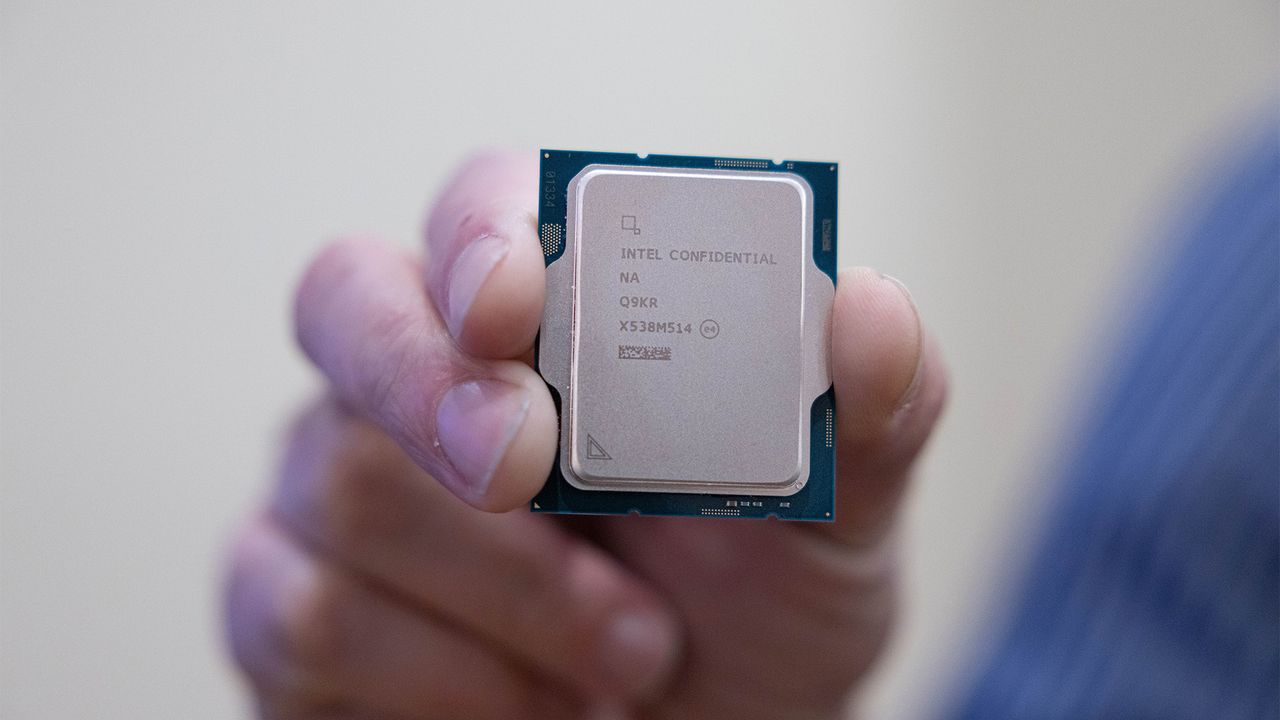
In a surprising turn of events for the CPU market, Intel's recently introduced flagship processor, the Core 9 273PQE from the Bartlett Lake series, appears to be underperforming against a significantly older model in gaming tests. Despite featuring 50% more performance cores (P-cores) and representing Intel's latest architectural advancements, benchmarks conducted by the German media outlet PC Games Hardware reveal that the 273PQE cannot surpass the Core i9-13900K, a processor released four years prior, in key gaming scenarios.
Affiliate contentGames up to -90% off
Instant key delivery on Instant Gaming
Browse deals →This unexpected outcome has generated considerable discussion and concern within the tech community. Traditionally, new flagship CPUs are expected to demonstrate clear generational improvements, especially in demanding applications like gaming, where core count and architectural efficiencies often translate directly into higher frame rates and smoother experiences. The Core 9 273PQE's struggle to outmatch a previous-generation offering, particularly one with fewer P-cores, raises questions about the effectiveness of its design and the specific optimizations (or lack thereof) for gaming workloads.
The benchmarks suggest that while the Core 9 273PQE might bring improvements in multi-threaded applications or other computational tasks due to its higher core count, these advantages do not consistently translate into superior gaming performance. This could be due to several factors, including clock speeds, cache optimizations, memory latency, or even specific game engine optimizations that favor older, more established architectures. For consumers and enthusiasts, this disparity presents a dilemma: investing in the newest and most expensive chip may not yield the expected gaming gains, prompting a re-evaluation of value against older, more cost-effective alternatives.