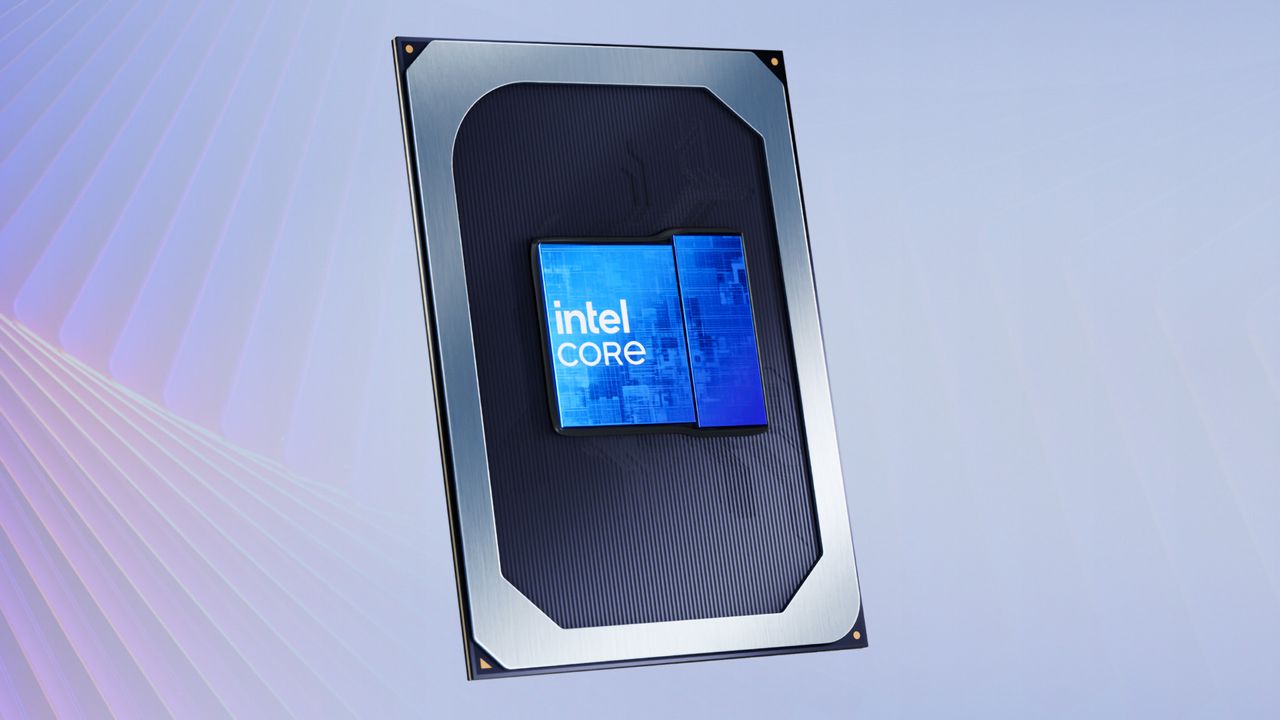
Next year, Intel is expected to introduce a refreshed lineup of its Wildcat Lake processors, with a strategic shift towards more powerful configurations for its mid-to-high-end offerings. Leaked information indicates that this refresh will primarily focus on the Core 5 and Core 7 tiers, leaving the Core 3 parts largely untouched. The most notable upgrade is slated for the top-end silicon within these selected tiers, which will reportedly transition from the current 6-core setup to a more robust 8-core configuration.
Affiliate contentGames up to -90% off
Instant key delivery on Instant Gaming
Browse deals →This upcoming 'Core 400' series aims to enhance performance by integrating a hybrid core architecture. Specifically, the new 8-core models are tipped to feature four high-performance P-cores alongside four low-power, efficient LP-E cores. This design philosophy, already prevalent in Intel's current generation, seeks to optimize both raw processing power for demanding tasks and energy efficiency for lighter workloads, providing a balanced computing experience.
The decision to prioritize the Core 5 and Core 7 segments suggests Intel is aiming to strengthen its competitive position in the mainstream and enthusiast markets, where multi-core performance is increasingly crucial. By refraining from updating the Core 3 series, Intel may be preserving its existing offerings for budget-conscious consumers or focusing its R&D efforts on more profitable, performance-oriented segments. This refresh could provide a timely boost to Intel's desktop CPU offerings as the market continues to evolve rapidly.