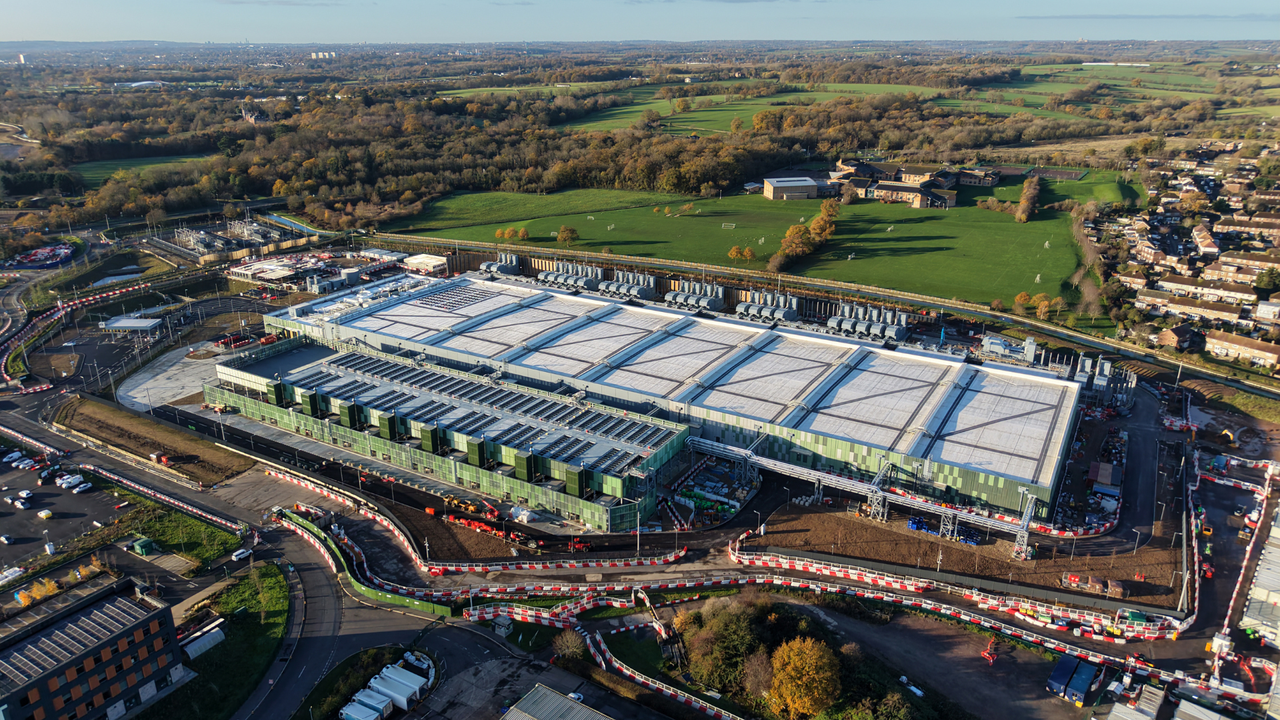
In a move designed to reshape land use and environmental policy, an Italian council has enacted a substantial 200% tax on any new data center construction proposed for agricultural zones. This aggressive fiscal disincentive aims to make building in rural, undeveloped areas prohibitively expensive for data center operators. The primary objective behind this policy is twofold: first, to significantly reduce the environmental footprint associated with new, energy-intensive data centers by preventing their sprawl into pristine natural landscapes; and second, to encourage the repurposing and redevelopment of older, underutilized industrial sites.
The council hopes that by making agricultural land fiscally unattractive for such developments, companies will instead gravitate towards existing industrial infrastructure. This approach not only preserves valuable agricultural land and ecosystems but also contributes to urban regeneration and economic activity in areas that may have suffered from deindustrialization. Data centers require vast amounts of land and energy, and their rapid expansion has raised concerns globally about both land consumption and environmental sustainability. Italy's new tax represents a proactive step in steering this development towards more sustainable and strategically beneficial locations, mitigating the pressure on its cherished agricultural regions and fostering a more balanced approach to technological expansion.