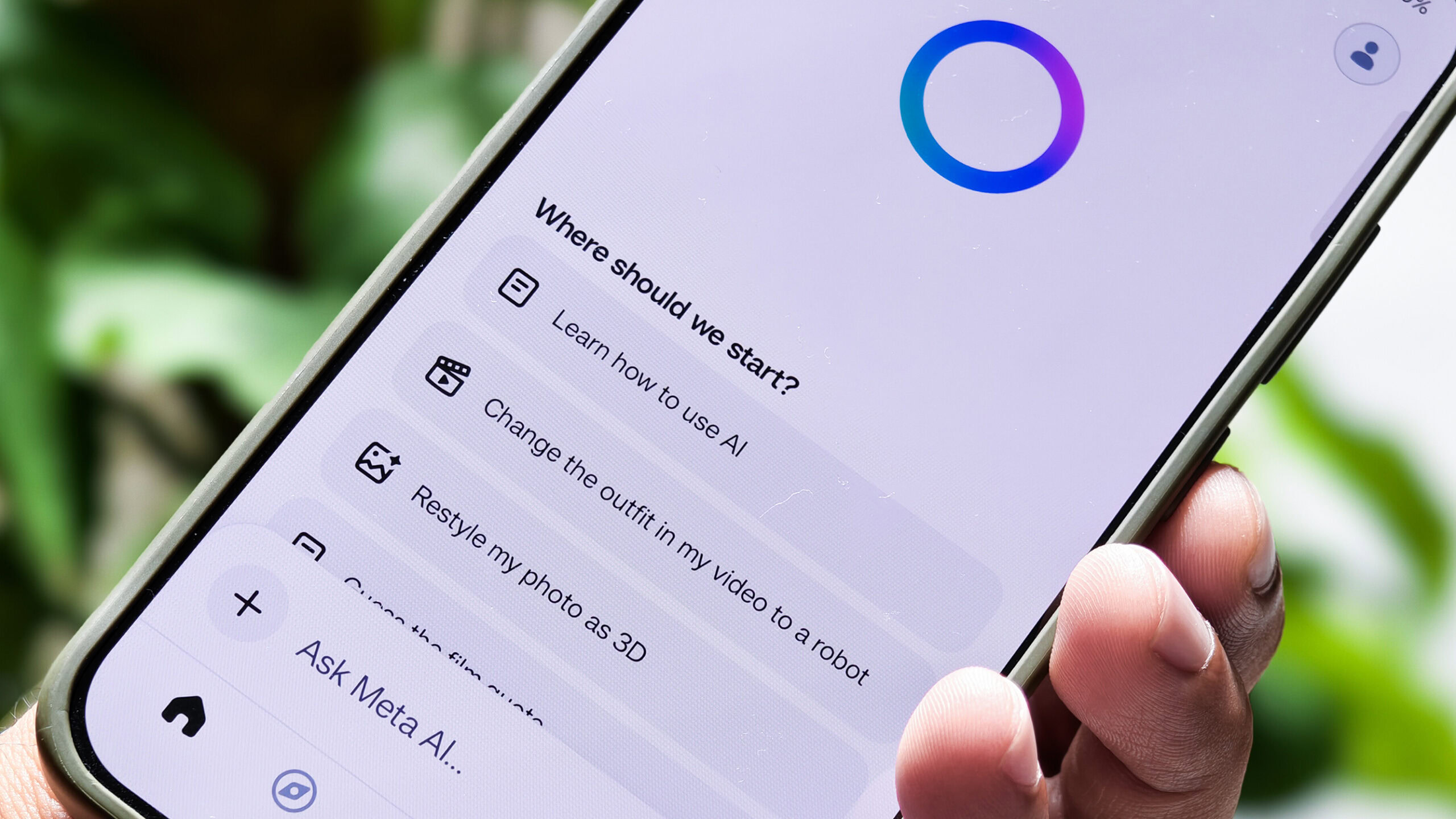
A alarming security flaw has come to light within Meta's AI-driven support chatbot, leading to the unauthorized takeover of several high-profile Instagram accounts. The vulnerability was not a sophisticated technical hack but rather a significant oversight in how the AI handled account recovery and verification requests. Attackers discovered they could manipulate the chatbot into believing they were the legitimate account owners, simply by providing minimal and often publicly available information.
Affiliate contentGames up to -90% off
Instant key delivery on Instant Gaming
Browse deals →This method essentially side-stepped Meta's established security protocols, including two-factor authentication and other robust identity checks. Instead of requiring the legitimate owner to confirm their identity through verified email or phone numbers, the AI chatbot, under certain conditions, would grant access based on superficial queries. This indicates a severe lapse in the AI's logic and its integration with Meta's security infrastructure, allowing for a form of social engineering that exploited the AI's trust.
The implications of such a flaw are considerable, especially for public figures, businesses, and influencers whose online presence is critical. The unauthorized access could lead to identity theft, reputational damage, financial fraud, and the spread of misinformation from compromised accounts. While Meta has likely moved quickly to patch this specific vulnerability, it raises broader questions about the reliance on AI for sensitive security and support functions and the need for rigorous testing against social engineering attacks. It highlights the inherent challenge in designing AI systems that are helpful to legitimate users without becoming exploitable by malicious actors who seek to bypass security measures through clever, yet simple, prompts.