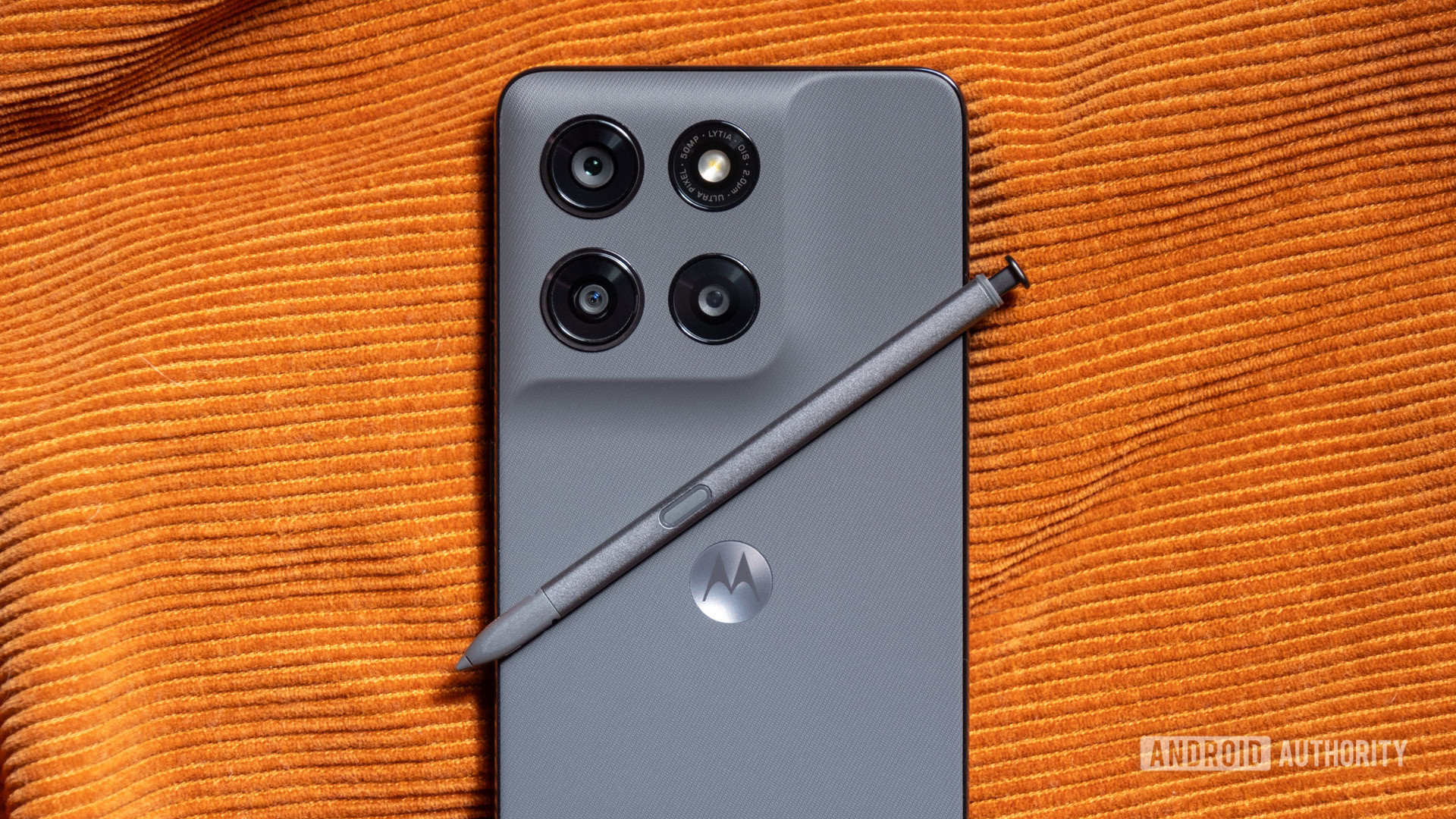
The release of the Motorola Moto G Stylus (2026) brings with it a sense of déjà vu, and not necessarily in a good way. While the phone is by no means a poor device, offering a respectable suite of features for its category, its pricing at around $500 feels inflated given what it brings to the table. This latest iteration struggles to present itself as a truly essential upgrade or a compelling option in a fiercely competitive market, suggesting it might be an iteration we didn't particularly need.
Motorola's Moto G Stylus series has always aimed to deliver stylus functionality at an accessible price point, differentiating itself from premium devices like Samsung's Galaxy S Ultra. However, with the 2026 model, the balance between features and cost seems to be skewed. For $500, consumers expect a device that excels in several key areas, yet the Moto G Stylus (2026) often offers merely adequate performance.
Affiliate contentGames up to -90% off
Instant key delivery on Instant Gaming
Browse deals →The stylus itself remains largely unchanged, providing a useful but not revolutionary experience. While the inclusion of a stylus at this price bracket is still a niche offering, the accompanying software features haven't evolved significantly to make it a must-have for a broader audience. It serves its purpose, but it doesn't inspire.
Beyond the stylus, the phone's general specifications often fall into the 'good enough' category rather than 'outstanding.' The display might be bright and vibrant, but perhaps lacks the high refresh rates found on similarly priced competitors. The camera system, while capable during optimal lighting conditions, might struggle in low light or offer limited versatility. Processor performance is likely sufficient for daily tasks but won't satisfy power users or avid mobile gamers.
Ultimately, the Moto G Stylus (2026) finds itself in an awkward position. It's too expensive to be a compelling budget option and not powerful enough to challenge the true mid-range champions. This makes it a difficult recommendation, as many alternatives offer better performance, superior camera capabilities, or a more premium feel for the same or even less money. Without a significant leap in features or a more strategic price point, this particular sequel feels like an opportunity missed to truly captivate the market.