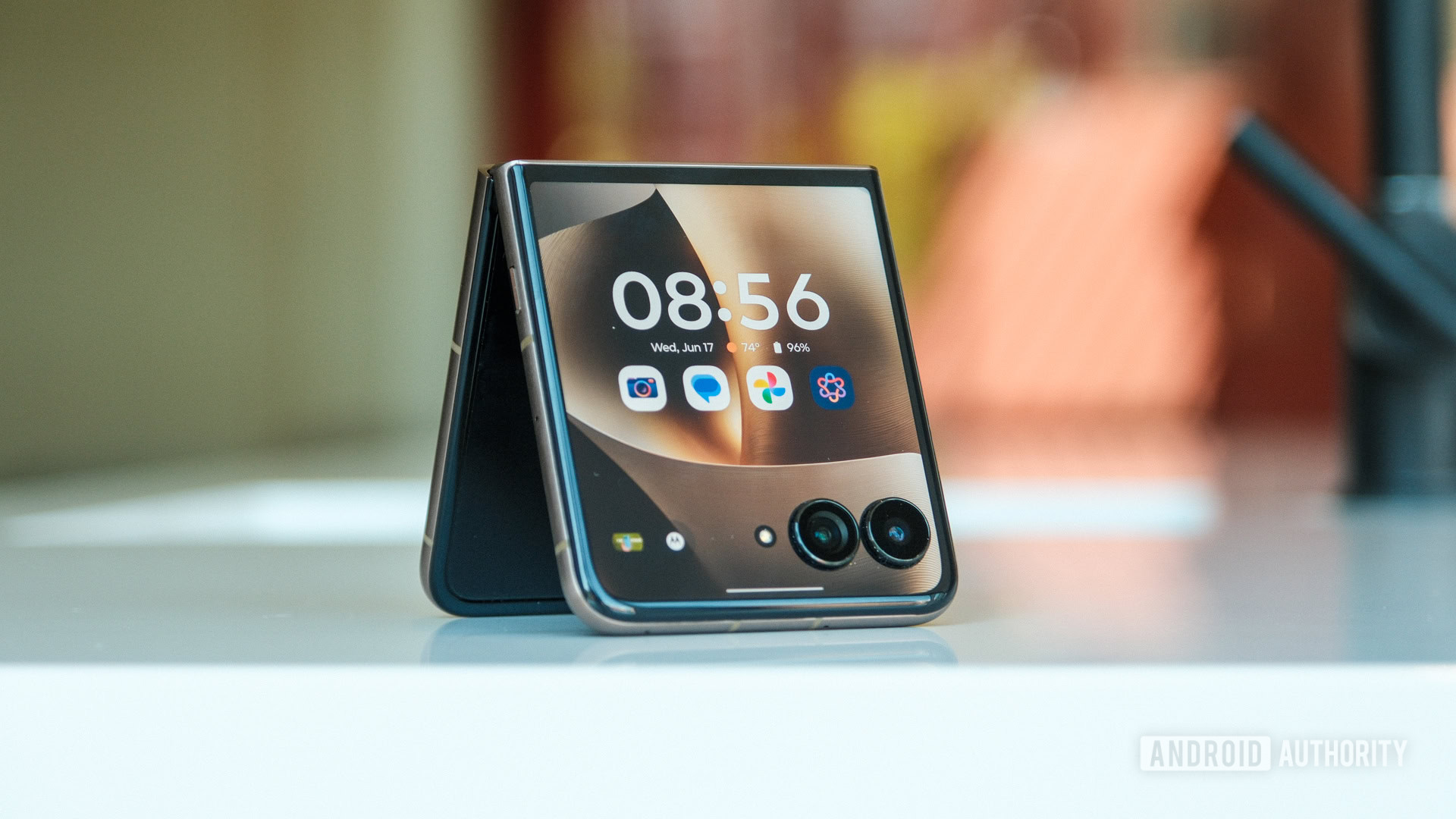
While I find myself drawn to the aesthetic appeal of the upcoming Motorola Razr Ultra (2026), a critical assessment reveals a potential issue that gives me pause in recommending it widely. The device, despite its undeniable sleekness and the inherent charm of the Razr line, appears to largely echo its predecessors in terms of design and perhaps even functionality. This lack of substantial, fresh innovation, when coupled with the strong possibility of an increased price point, makes it a difficult sell for the average consumer.
Affiliate contentGames up to -90% off
Instant key delivery on Instant Gaming
Browse deals →In a rapidly evolving smartphone market, particularly within the competitive foldable segment, innovation is key. Merely iterating on an existing design, however pleasing, without significant hardware or software advancements can feel stagnant. When this stagnation is accompanied by a higher financial outlay, it's natural for potential buyers to question the return on their investment. Users often expect a clear progression in terms of features, performance, or a more compelling reason to upgrade when a new model arrives, especially one positioned at the premium end.
My personal affection for the Razr Ultra (2026) is rooted in its stylish form factor and what it represents as an iconic reboot. However, my analytical perspective as an editor compels me to advise caution. Investing in a device that offers incremental changes at an inflated price might not be the wisest choice for many. It suggests that Motorola might be relying more on brand recognition and design consistency rather than groundbreaking advancements to justify its premium status, potentially leading to disappointment for those expecting more from a 2026 flagship foldable.