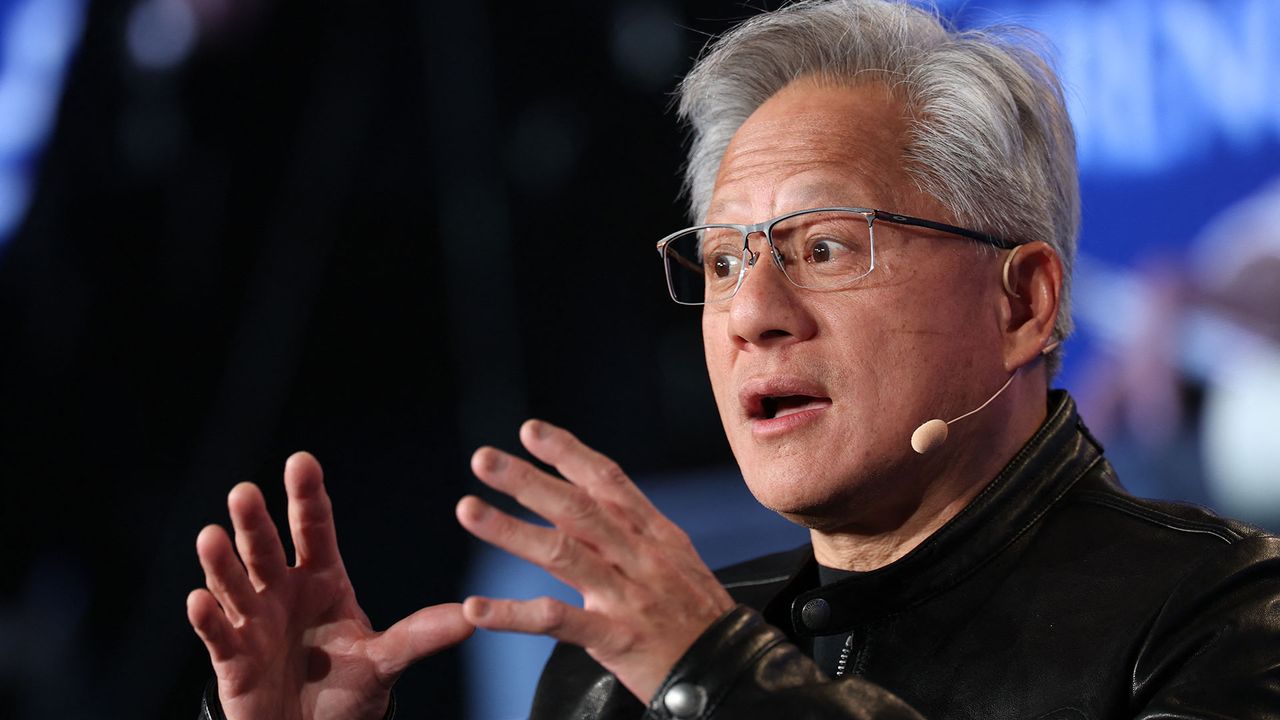
In the wake of a significant $2.5 billion smuggling bust involving Supermicro, the spotlight has been cast firmly on the need for stricter compliance with export controls. Jensen Huang, CEO of Nvidia, addressed reporters at Songshan Airport, reiterating Nvidia's unwavering stance that all its partners must strictly adhere to U.S. trade rules. This statement comes at a crucial time, underlining the corporate responsibility to prevent high-tech components from falling into the wrong hands or being used in ways that contravene national security interests.
Affiliate contentGames up to -90% off
Instant key delivery on Instant Gaming
Browse deals →The Supermicro incident serves as a stark reminder of the complexities and challenges inherent in global supply chains, especially when dealing with advanced technological hardware. Such large-scale smuggling operations not only jeopardize international trade relations but also highlight potential loopholes that hostile actors might exploit.
Compounding these efforts, Taiwan, a crucial global hub for semiconductor manufacturing, has also initiated its own crackdown on the smuggling of AI GPU chips destined for China. This move by the Taiwanese authorities is a direct response to increasing concerns about Beijing's military modernization and its potential access to cutting-edge AI technology. The tighter export controls from both the U.S. and Taiwan aim to restrict China's ability to acquire advanced AI processing capabilities, which are vital for developing sophisticated military systems and surveillance technologies. The combined actions signify a concerted international effort to manage the geopolitical implications of advanced technology trade.