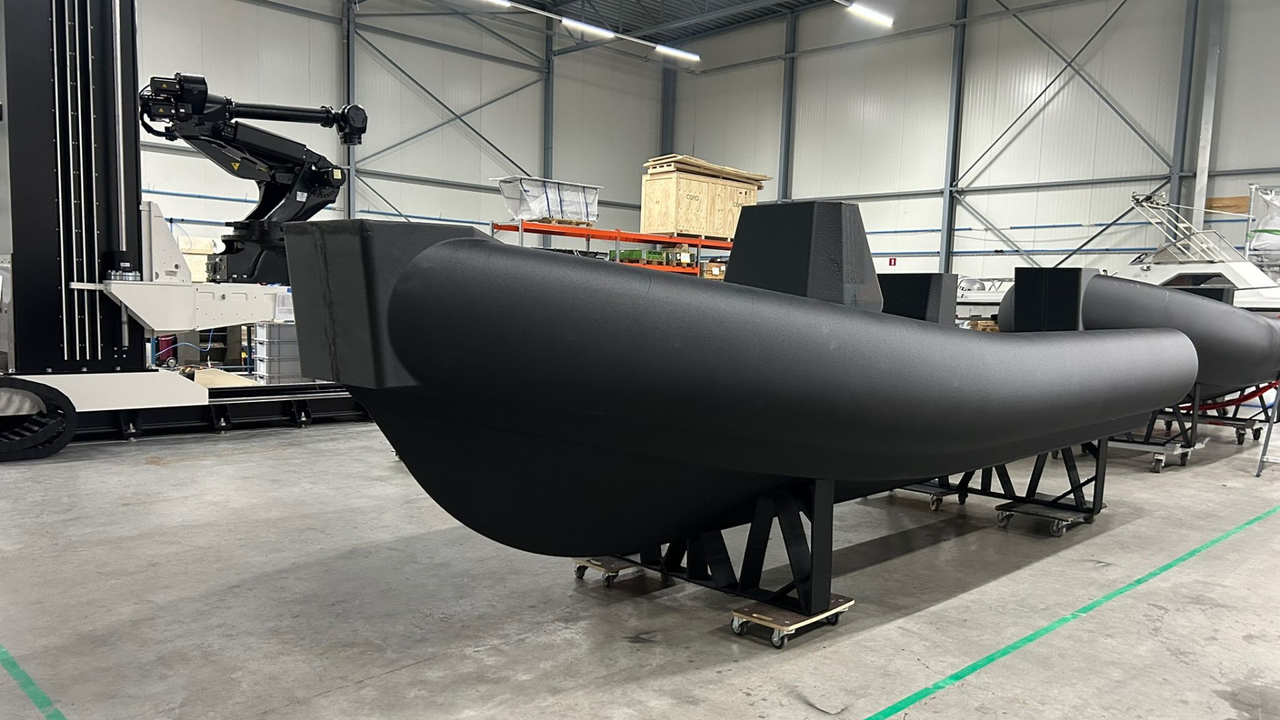
The U.S. Navy is poised to revolutionize its naval logistics and operational capabilities by exploring the deployment of 3D-printed military vessels fabricated from volcanic fiber. This cutting-edge initiative is spearheaded by Voltage Vessels, a company proposing a radical departure from traditional shipbuilding that promises not only strategic advantages but also substantial logistical efficiencies. The core innovation lies in the use of volcanic fiber, a material prized for its non-conductive properties.
These non-conductive hulls are envisioned to bestow stealth capabilities on military boats, making them harder to detect by conventional radar and sonar systems, thereby enhancing their operational effectiveness in contested environments. Beyond tactical benefits, the project addresses critical supply chain vulnerabilities. By enabling forward deployment of 3D printers directly into operational theaters, Voltage Vessels aims to drastically reduce the current 6,545-mile supply chain, minimizing transit times and logistical complexities. The company claims this distributed manufacturing model could scale to an impressive output of up to 25,000 metric tons of material annually, potentially equivalent to producing up to 25,000 vessels per year at various forward bases. This localized production capability would not only ensure a more resilient supply of military assets but also foster rapid iteration and customization of vessels to meet evolving battlefield requirements.