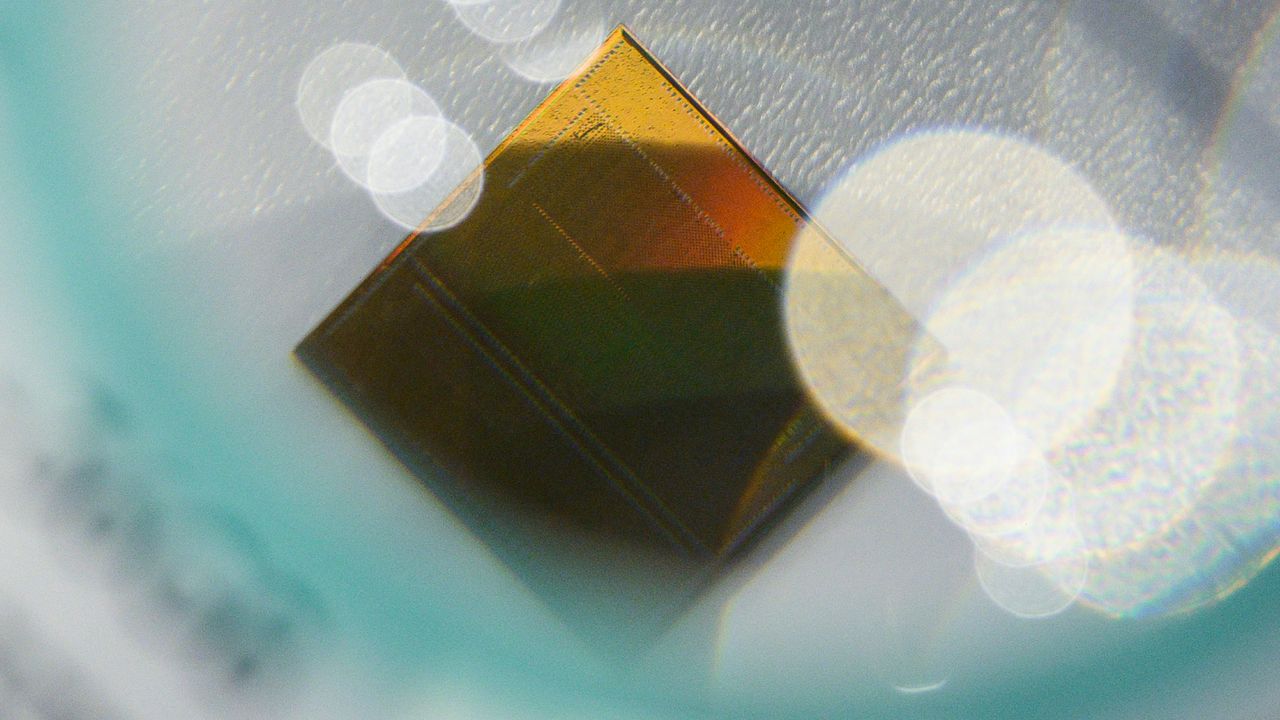
In a significant leap forward for drone stealth technology, a researcher has unveiled a groundbreaking 'spray-on' coating designed to drastically diminish a drone's visibility on radar. This innovative material, derived from volcanic rock, promises to be a game-changer for enhancing the survivability of unmanned aerial vehicles in contested airspace.
Affiliate contentGames up to -90% off
Instant key delivery on Instant Gaming
Browse deals →The key to this coating's effectiveness lies in its superior radar absorption capabilities. Traditional radar absorbent materials (RAM) typically offer a reduction in radar return signals ranging from 20 to 30dB. However, this new volcanic rock formulation boasts an astounding potential to reduce radar returns by up to 43dB. This level of attenuation is a substantial improvement, making drones equipped with this coating significantly harder to detect by conventional radar systems, thereby increasing their operational stealth and reducing the risk of being intercepted.
One of the most appealing aspects of this new development is its ease of application. Unlike complex and costly integration processes required for some stealth technologies, this material can simply be sprayed onto any drone. This straightforward application method means that even commercially available drones could potentially be modified to possess advanced stealth capabilities, democratizing access to enhanced survivability for a wider range of drone operators. This advancement could reshape tactical drone operations, offering new possibilities for reconnaissance, surveillance, and other sensitive missions without significantly increasing the drone's overall cost or complexity.