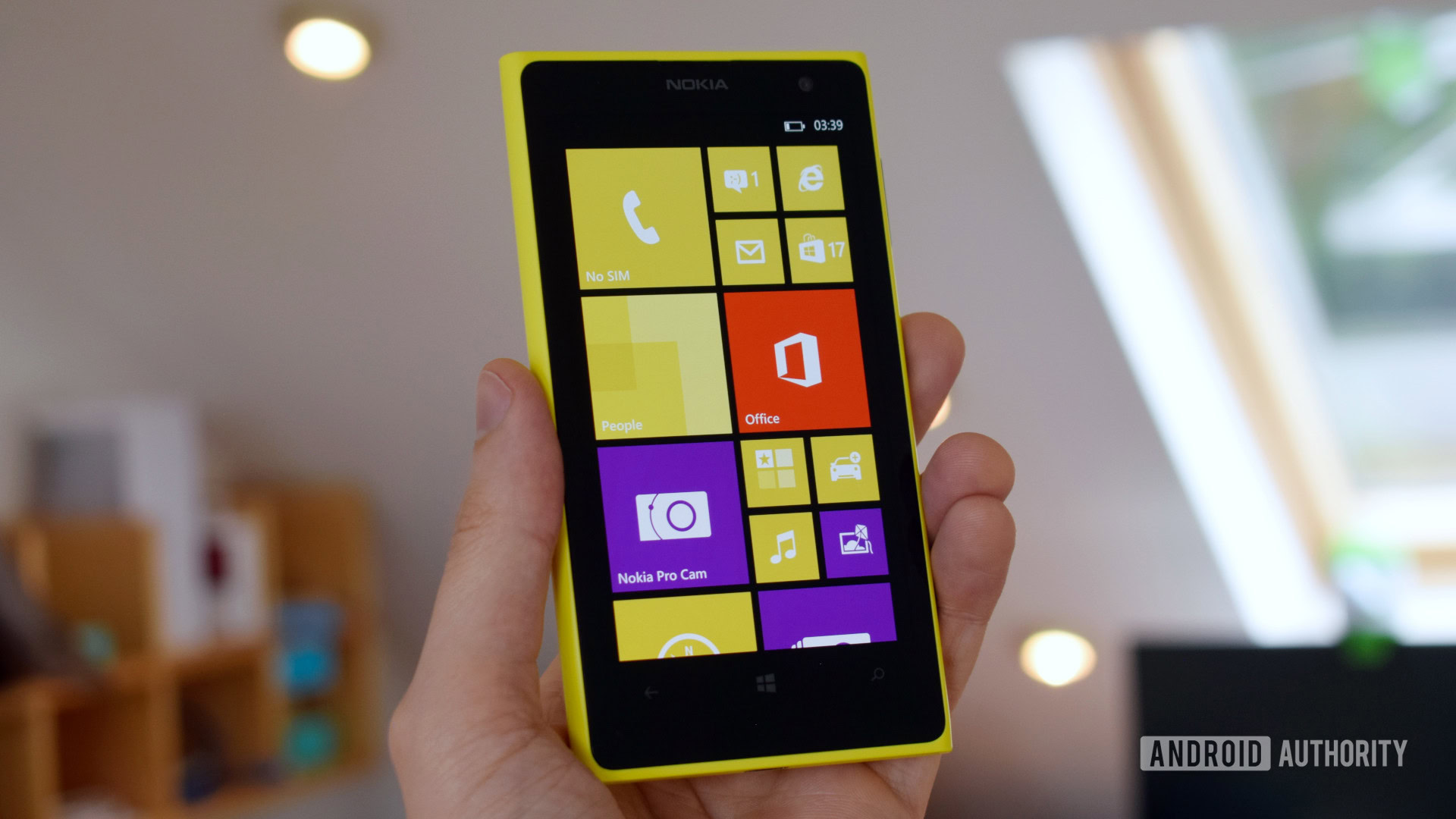
Dusting off an old Windows Phone in 2026 was more than just a trip down memory lane; it was a potent reminder of a vibrant, albeit ultimately unsuccessful, chapter in mobile technology. Holding the device and navigating its Live Tile interface instantly transported me back to an era where operating systems dared to be different. The smooth animations, the unique design language, and its distinct philosophical approach to app presentation felt refreshing, even years after its demise. It wasn't just a phone; it was a statement against the burgeoning dominance of iOS and Android.
Affiliate contentGames up to -90% off
Instant key delivery on Instant Gaming
Browse deals →Windows Phone was never without its flaws, of course. The 'app gap' was a persistent Achilles' heel, often leaving users wanting for popular applications readily available on competing platforms. Developer support dwindled, and the hardware ecosystem struggled to keep pace. These factors ultimately led to its downfall, a classic case of a promising idea that couldn't quite execute on its full potential. Yet, the experience of using it again in 2026 underscored its unique strengths.
What truly resonated during this retrospective was the profound sense of loss for the competitive spirit it represented. Today's mobile OS market is a duopoly, with Apple and Google firmly in control. This lack of genuine third-player competition has, arguably, stifled innovation and diversity in design and functionality. Windows Phone, for all its imperfections, offered a genuinely different user experience. Its departure left a void, and using it again in 2026 only solidifies the sentiment that the mobile world, while advanced, is poorer for its absence. It reminds us that competition, even from an underdog, pushes every platform to be better.