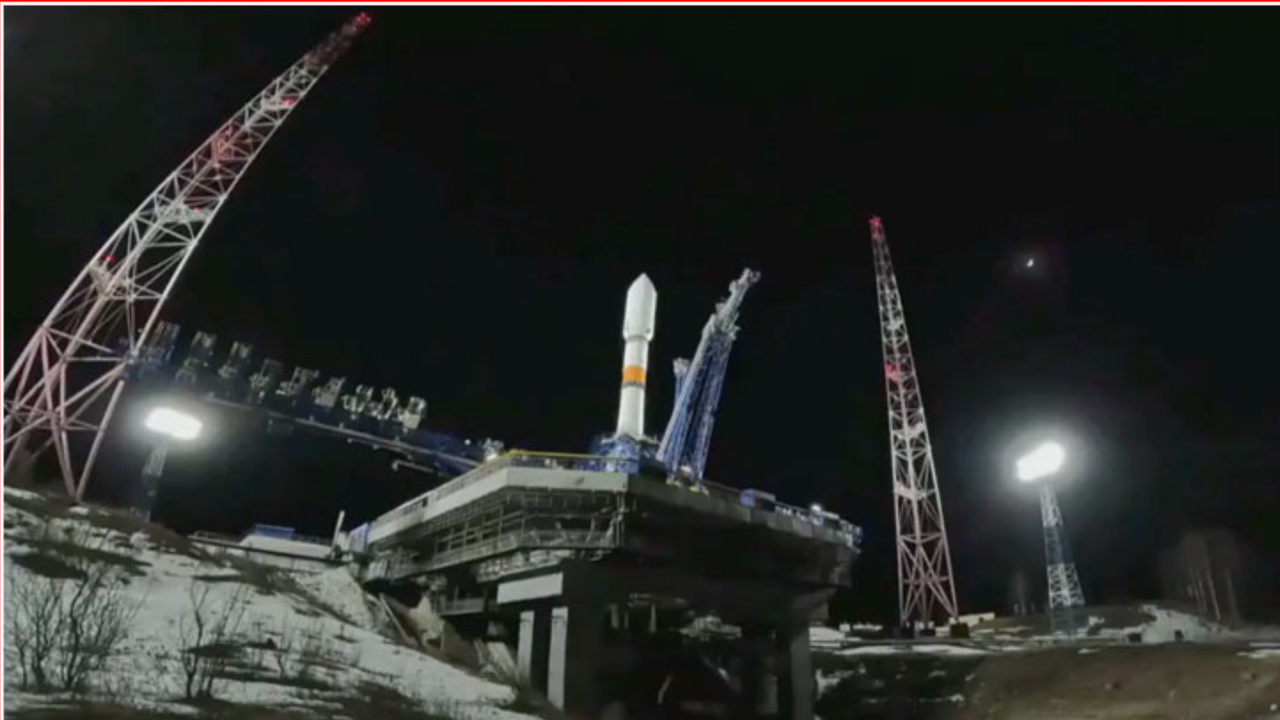
Russia's aspirations for a homegrown, 'Starlink-style' satellite internet constellation, known as Rassvet, have encountered an unfortunate early setback. Just weeks following its deployment, 'Object 4,' one of the initial 16 satellites forming the first operational batch of the network, has ceased to function. Reports indicate that the satellite re-entered Earth's atmosphere on approximately June 6th, marking a premature end to its mission.
Affiliate contentGames up to -90% off
Instant key delivery on Instant Gaming
Browse deals →The loss of 'Object 4' represents a minor but notable blow to the fledgling Rassvet project. While 15 other satellites from the initial launch remain in orbit, providing some foundational capacity for the broadband network, the early failure of one unit raises questions about the overall reliability and longevity of the constellation. Such early mission terminations are not uncommon in the highly complex and challenging field of satellite deployment, yet they undeniably introduce delays and necessitate further examination of engineering and operational protocols.
The Rassvet network aims to provide broadband internet services, mirroring the low-Earth orbit (LEO) satellite internet model pioneered by SpaceX's Starlink. The success of such a network hinges on the robust performance and extended lifespan of its individual satellites. This incident, while hopefully isolated, will undoubtedly prompt a thorough review by Russian space agencies and engineers to understand the cause and prevent similar occurrences in future launches, as the nation continues its efforts to establish its own independent satellite communication infrastructure.