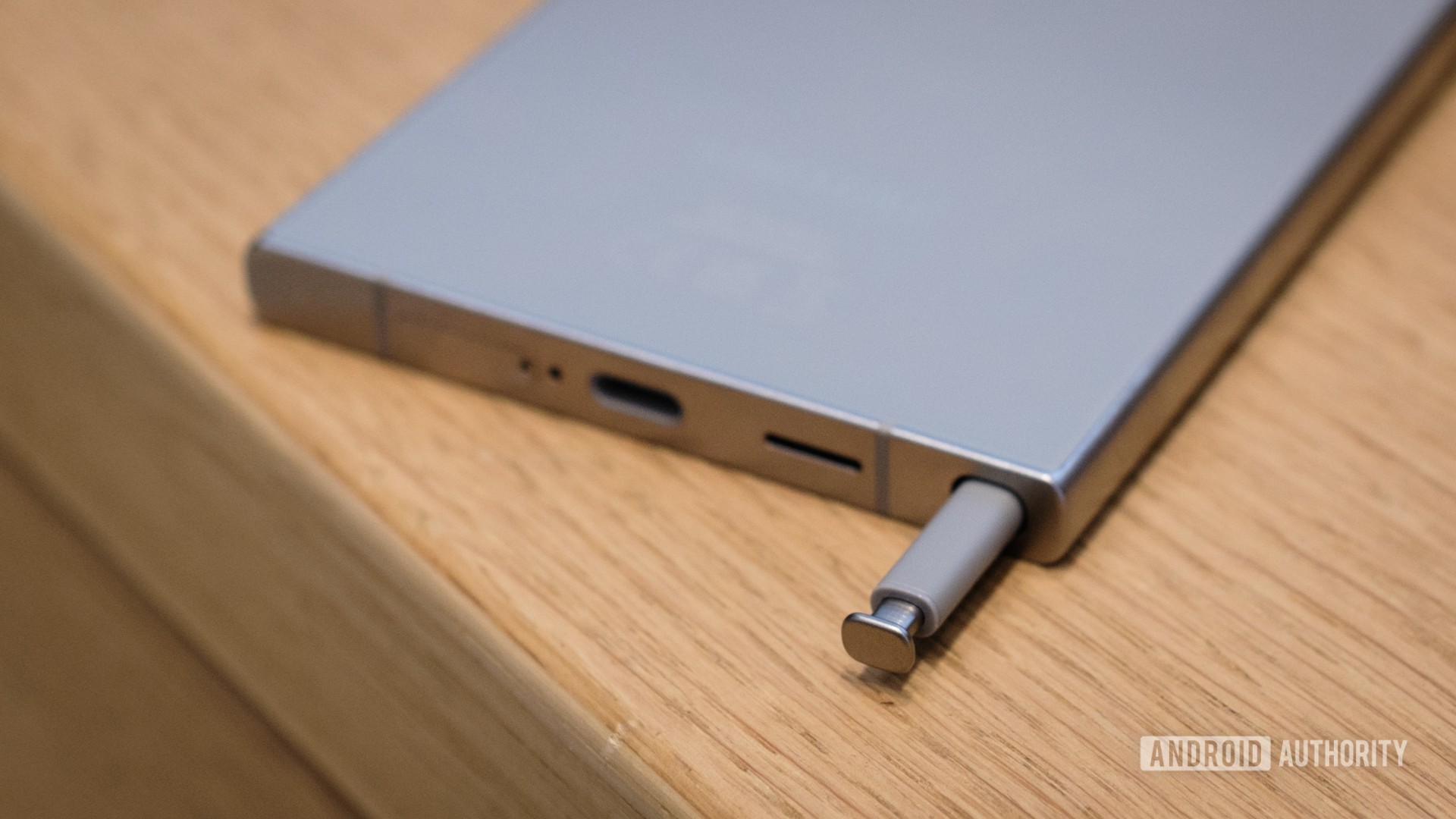
The Samsung S Pen has long been a hallmark of the Galaxy Note series and, more recently, the Ultra variants of the Galaxy S line. It’s a tool that has garnered a loyal following, celebrated for its precision, versatility, and unique suite of productivity features. However, despite its legacy and fan base, the S Pen is approaching a critical juncture where it must evolve significantly or risk becoming an obsolete accessory that holds back Samsung's overall smartphone innovation.
Historically, the S Pen offered a truly differentiated user experience, from precise drawing and note-taking to air gestures and remote camera control. These functionalities distinguished Samsung's high-end devices from the competition. Yet, in recent years, the advancements in S Pen capabilities have felt incremental rather than revolutionary. While slight improvements in latency and new gestural commands are welcome, they haven't reshaped the user experience in the way early S Pen integrations did.
Affiliate contentGames up to -90% off
Instant key delivery on Instant Gaming
Browse deals →One of the main arguments for a radical overhaul is the opportunity cost it imposes on device design. Integrating the S Pen into a smartphone requires engineering compromises, often affecting battery capacity, internal component layout, or even the slimness of the device. If the S Pen's utility isn't perceived as keeping pace with these sacrifices, its inclusion becomes less justifiable.
Samsung could consider several avenues for evolution. A modular S Pen that could be attached or detached, allowing for both S Pen functionality and a larger battery, could be one approach. Alternatively, expanding its integration beyond the phone to a broader ecosystem – perhaps as a universal input device for Samsung's tablets, smart displays, or even PCs – could revitalize its purpose. Enhancing its AI capabilities for more intelligent text recognition, translation, or creative tools could also lend it new relevance.
Ultimately, for a feature as iconic as the S Pen, standing still is not an option. Samsung needs to critically assess whether its current form factor and feature set truly add enough value to justify its continued integration and the design compromises it entails. A bold evolution is necessary for the S Pen to remain a cutting-edge tool rather than a nostalgic throwback.