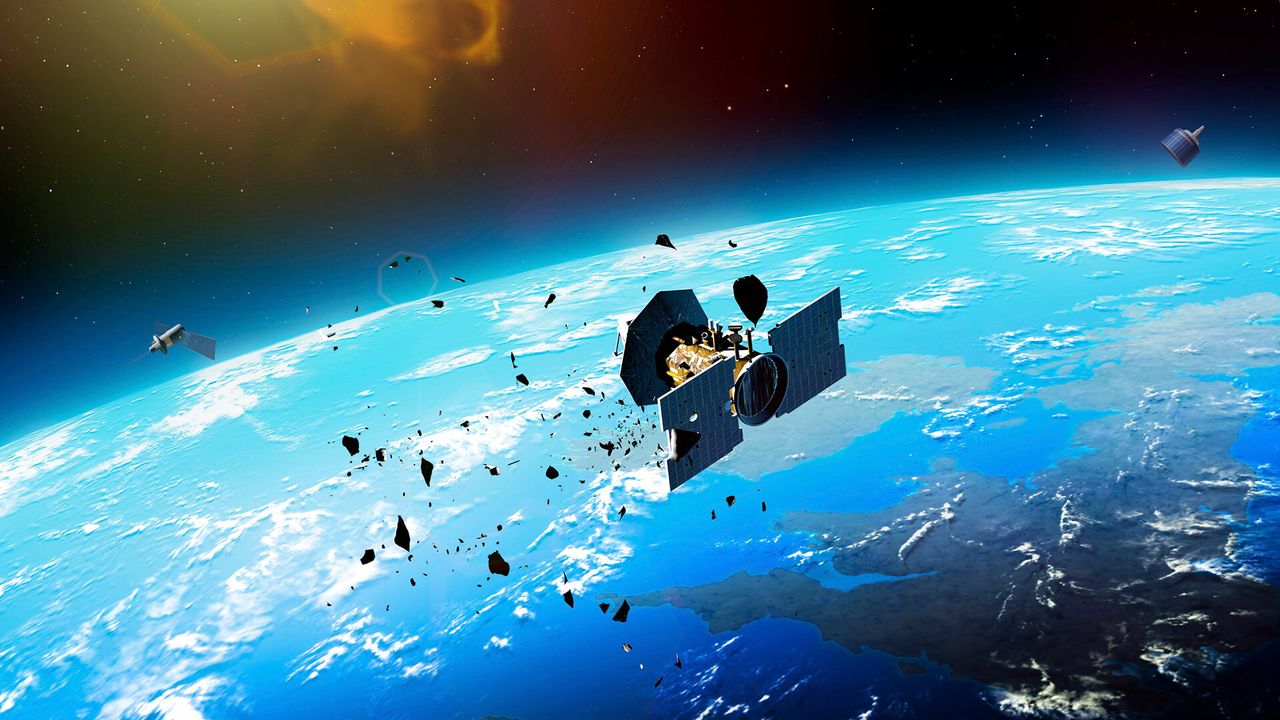
Over the past six months, SpaceX has initiated the atmospheric incineration of 260 Starlink satellites, a rapid pace that underscores the company's dynamic approach to its burgeoning low-Earth orbit constellation. This process involves the controlled re-entry of the multi-ton satellites, causing them to burn up upon friction with the upper atmosphere, effectively removing space debris.
Affiliate contentGames up to -90% off
Instant key delivery on Instant Gaming
Browse deals →While this method reduces the problem of orbital junk, it simultaneously introduces new environmental questions. Each Starlink satellite weighs approximately 2,700 pounds, and the repeated burning of such large objects is prompting scrutiny over the potential deposition of metallic aerosols and other compounds into the atmosphere. Scientists are beginning to model the long-term effects of this particulate matter on atmospheric chemistry, ozone depletion, and even climate patterns, warning that the cumulative impact from thousands of future de-orbiting events could be substantial.
The controversy is further amplified by ongoing discussions at the Federal Communications Commission (FCC) regarding potential regulatory exemptions for Starlink. Critics argue that easing regulations without thoroughly understanding the environmental implications of such large-scale satellite disposal could set a dangerous precedent. As SpaceX plans to launch tens of thousands more satellites, the need for comprehensive environmental assessments and international regulatory frameworks becomes increasingly urgent to balance technological advancement with ecological stewardship.