Back
Tom's Hardware167 d ago

Supermicro Unveils Cutting-Edge Cooling System for Next-Gen Servers

Supermicro has showcased its innovative NVL72 rack, featuring a novel coolant that boasts immensely superior electrical impedance compared to traditional cooling methods. This advancement is integrated into servers designed for AMD's upcoming EPYC 'Venice' CPUs, MI450 accelerators, and Nvidia’s Vera Rubin-based architectures.

Supermicro Unveils Cutting-Edge Cooling System for Next-Gen Servers

Supermicro recently presented its pioneering thermal management technology with the introduction of its Vera Rubin NVL72 rack. This sophisticated system utilizes a groundbreaking coolant that Supermicro claims offers an astonishing 1,000 times higher electrical impedance than conventional cooling solutions. This significant leap in cooling efficiency is poised to redefine performance thresholds for high-density computing environments.

The demonstration by Supermicro provided a glimpse into the future of enterprise-grade hardware, highlighting servers that will incorporate AMD’s highly anticipated EPYC ‘Venice’ processors and MI450 accelerators. These powerful components, coupled with Nvidia’s advanced Vera Rubin-based solutions, demand state-of-the-art thermal management to unlock their full potential.

Affiliate content
Instant Gaming

Games up to -90% off

Instant key delivery on Instant Gaming

Browse deals →

The innovation in coolant technology is particularly crucial as processing power continues to escalate, leading to increased heat generation within server racks. By dramatically improving electrical impedance, Supermicro's new cooling system can more effectively dissipate heat without compromising the integrity or safety of the sensitive electronic components. This not only enhances the stability and longevity of the hardware but also paves the way for higher clock speeds and more intensive computational workloads.

This development underscores Supermicro’s commitment to pushing the boundaries of data center infrastructure, ensuring that their platforms are ready to house the most demanding AI and HPC applications. The integration of such advanced cooling into next-generation server architectures promises greater efficiency, reliability, and ultimately, superior performance for data-intensive operations globally.

Summary based on third-party reporting.

Original source: Tom's Hardware

Recommended

Nvidia's Historic Denny's Plaque Taken Down Amid Ongoing Jensen Huang Controversies
Tom's Hardware1 d ago

Nvidia's Historic Denny's Plaque Taken Down Amid Ongoing Jensen Huang Controversies

A diner in California has quietly taken down the plaque honoring the booth where Nvidia was originally conceived. This removal comes as CEO Jensen Huang faces mounting public scrutiny and various scandals.

Read article
Engineering Student Creates Functional 3D Printer Using 92% LEGO Bricks
Tom's Hardware1 d ago

Engineering Student Creates Functional 3D Printer Using 92% LEGO Bricks

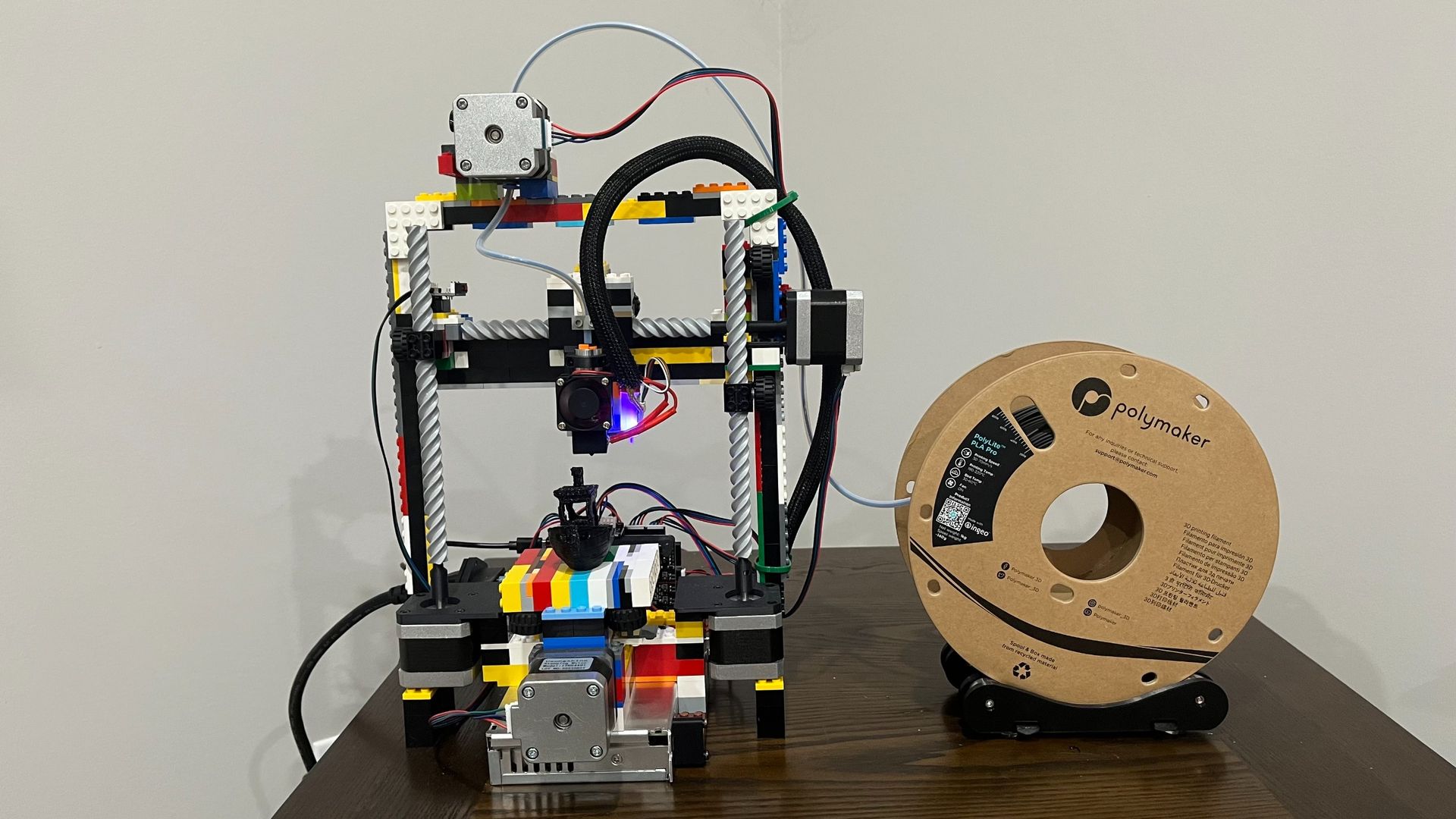
An inventive mechatronics student has constructed an open-source 3D printer made almost entirely out of standard LEGO components. Costing under $180, the surprisingly capable machine can reliably print complex benchmark models despite hardware limitations.

Read article
Decades-Old AMD Radeon HD 2000 and 3000 GPUs Receive Linux Fix via AI Assistance
Tom's Hardware1 d ago

Decades-Old AMD Radeon HD 2000 and 3000 GPUs Receive Linux Fix via AI Assistance

A community developer has resolved a persistent video decoding bug affecting legacy AMD Radeon graphics cards nearly two decades after their release. The fix was notably drafted with the assistance of artificial intelligence tools to patch ancient open-source drivers.

Read article
Kevin Feige Left Wanda Out of VisionQuest to Prevent Narrative Distraction
IGN1 d ago

Kevin Feige Left Wanda Out of VisionQuest to Prevent Narrative Distraction

Marvel Studios president Kevin Feige decided against featuring Elizabeth Olsen's Wanda Maximoff in VisionQuest to keep the focus firmly on Vision. Actor Paul Bettany confirmed that creative leaders wanted to avoid overshadowing the titular character's emotional rebirth.

Read article