In the digital age, our smartphones have become extensions of ourselves, housing a trove of personal data. However, what many users don't realize is that some of their favorite Android applications are silently accumulating information about them through hidden trackers.
These trackers, often embedded by third-party analytics firms or advertisers, collect a wide range of data, from your location and browsing habits to app usage patterns and even your device's unique identifiers. While some data collection is necessary for app functionality or to improve user experience, a significant portion is used for targeted advertising and profiling, often without explicit and informed consent.
Affiliate contentGames up to -90% off
Instant key delivery on Instant Gaming
Browse deals →The proliferation of these trackers raises serious privacy concerns. Users might find themselves bombarded with highly specific ads or wonder how certain companies seem to know so much about their preferences. Beyond advertising, this data can be sold to data brokers or used for other purposes that users may not approve of, creating a complex web of data exploitation.
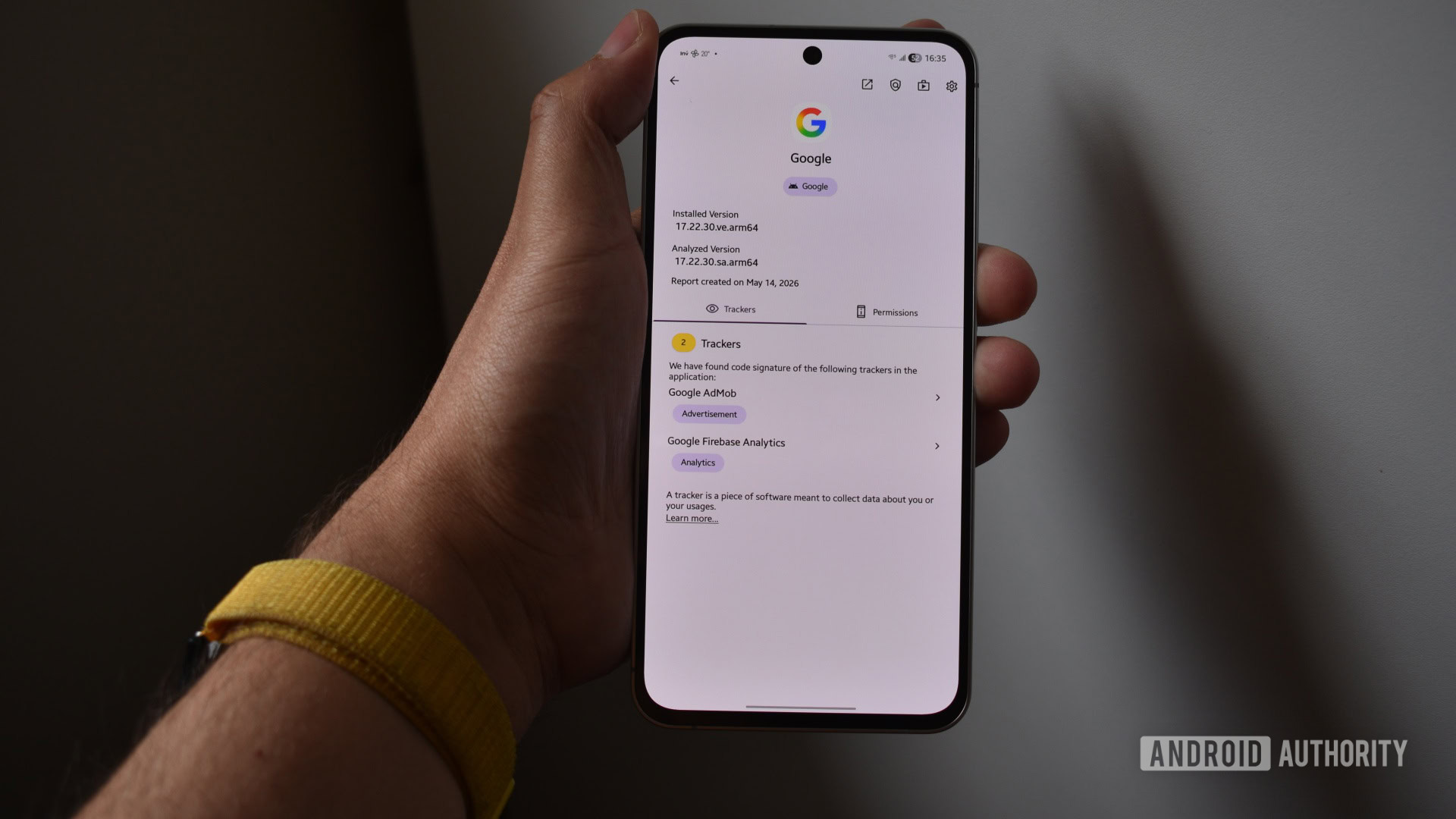
Fortunately, there are tools and methods available to help you uncover these hidden snoopers. Apps designed for privacy auditing can scan your installed applications and report on the trackers they contain. Permissions managers within Android also offer insights, allowing you to review and revoke permissions that might be exploited by trackers. Furthermore, some firewalls and VPNs can block outgoing connections from known tracking domains.
Being proactive about understanding and limiting data tracking is essential in today's interconnected world. By regularly auditing your apps, reviewing permissions, and utilizing privacy-enhancing tools, you can regain a measure of control over your digital footprint and ensure your favorite apps aren't silently compromising your personal information behind the scenes.