Back
Tom's Hardware140 d ago

US Chip Supply Chain Bolstered, But Critical AI Manufacturing Steps Remain Overseas

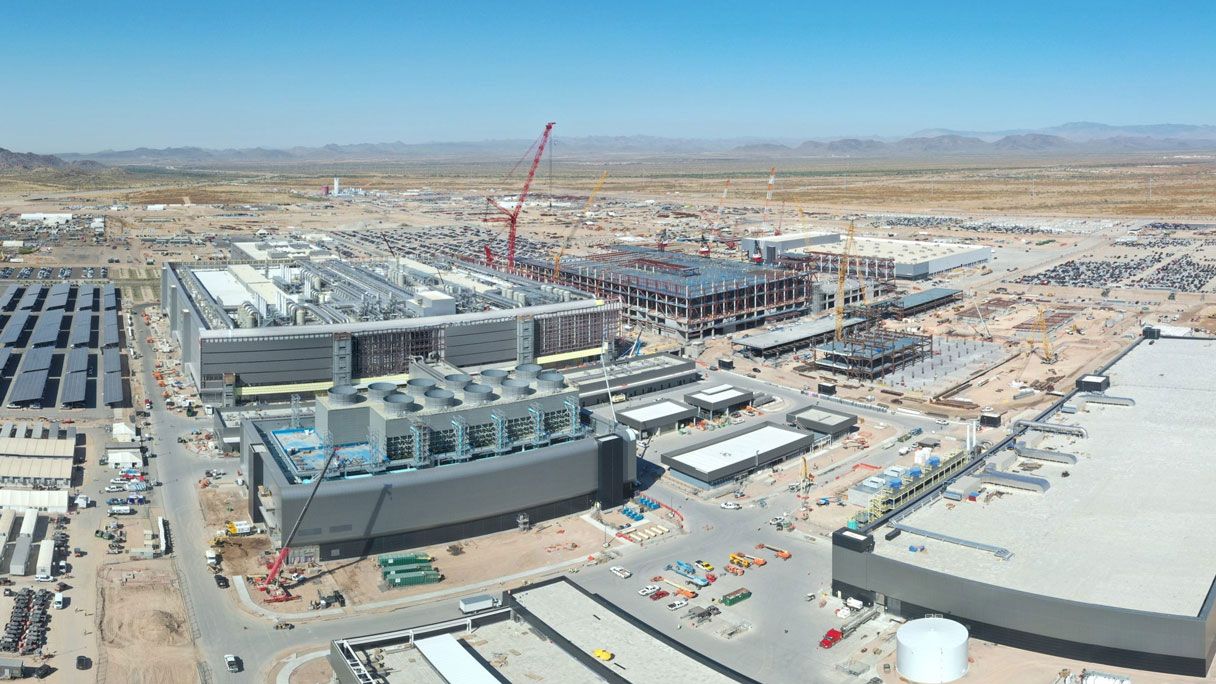
Nvidia and Intel are championing the domestic chip supply chain, aligning with American efforts to boost local production, yet crucial stages of manufacturing, particularly for advanced AI components, still occur offshore. While the US-Taiwan AI supply chain now begins and concludes within the United States, essential mid-production steps, such as those for Blackwell packaging, are projected to remain external until at least 2028.

US Chip Supply Chain Bolstered, But Critical AI Manufacturing Steps Remain Overseas

Amidst a concerted national push to fortify its domestic semiconductor industry, leading tech giants Nvidia and Intel are spotlighting the advancements in America's chip supply chain. Both companies are vocal proponents of localized production, illustrating how significant portions of the US AI supply chain now originate and culminate within the country's borders. This strategic shift aims to enhance national security, foster economic independence, and spur innovation in high-tech manufacturing.

Affiliate content
Instant Gaming

Games up to -90% off

Instant key delivery on Instant Gaming

Browse deals →

However, despite these strides, critical gaps persist, particularly in the most sophisticated manufacturing processes. Key intermediate steps, such as the advanced packaging of Blackwell chips—integral to Nvidia's cutting-edge AI platforms—remain predominantly offshore. These complex operations require highly specialized facilities and expertise that are not yet fully established within the United States. Current projections suggest that these vital packaging stages will continue to be executed internationally until at least 2028, highlighting the long road ahead for complete self-sufficiency.

The ongoing reliance on overseas facilities for these intricate processes underscores the immense scale and complexity involved in establishing a truly end-to-end domestic chip supply chain. While the US is making substantial investments in new fabs and research, achieving comprehensive onshore capability for all stages of advanced chip production, especially for burgeoning sectors like AI, is a multi-year endeavor. The collaborative efforts of companies like Nvidia and Intel, combined with governmental support, are essential to gradually close these remaining gaps and realize a fully integrated, American-controlled semiconductor ecosystem.

Summary based on third-party reporting.

Original source: Tom's Hardware

Recommended

Nvidia's Historic Denny's Plaque Taken Down Amid Ongoing Jensen Huang Controversies
Tom's Hardware9 d ago

Nvidia's Historic Denny's Plaque Taken Down Amid Ongoing Jensen Huang Controversies

A diner in California has quietly taken down the plaque honoring the booth where Nvidia was originally conceived. This removal comes as CEO Jensen Huang faces mounting public scrutiny and various scandals.

Read article
Engineering Student Creates Functional 3D Printer Using 92% LEGO Bricks
Tom's Hardware9 d ago

Engineering Student Creates Functional 3D Printer Using 92% LEGO Bricks

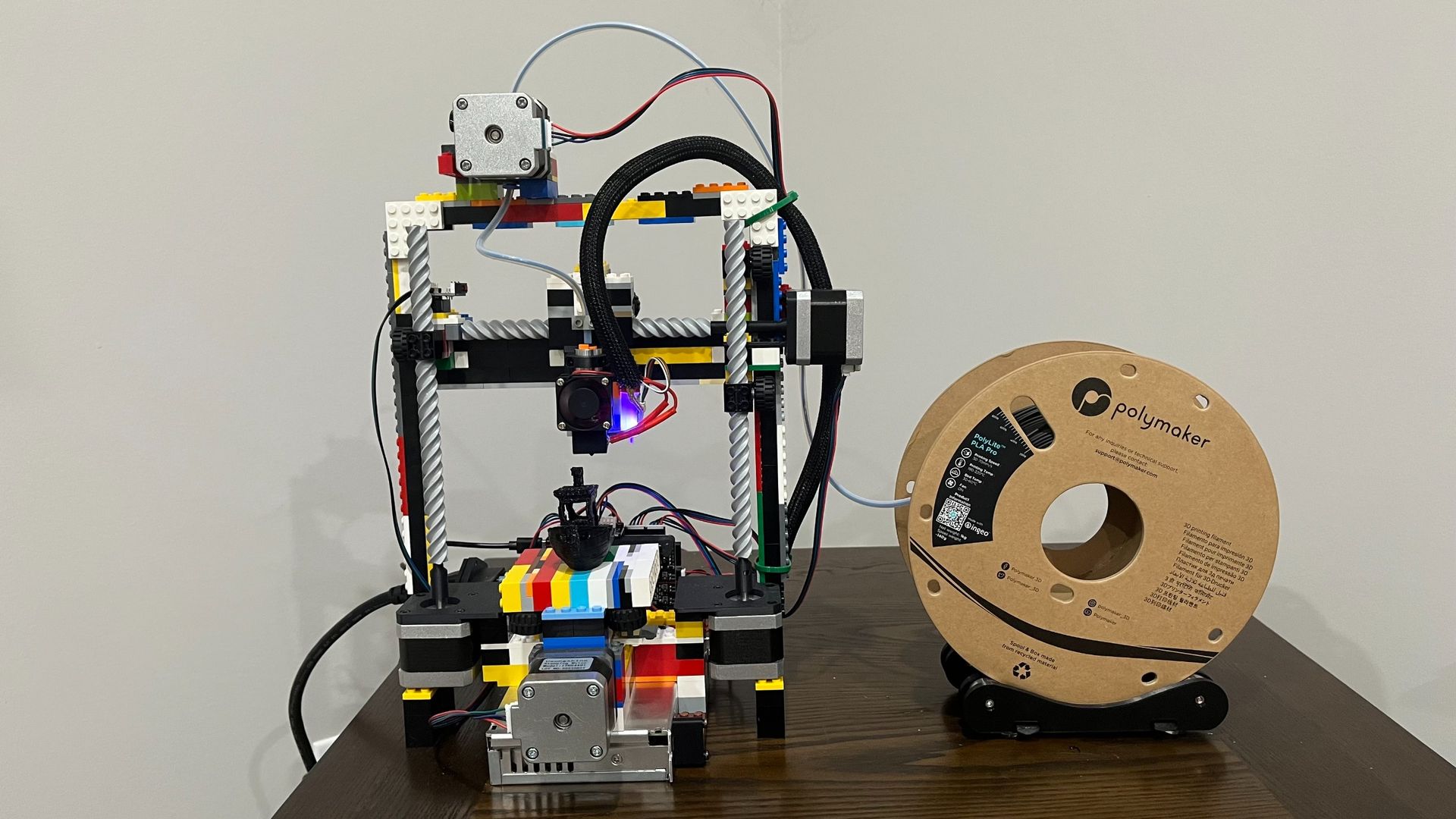
An inventive mechatronics student has constructed an open-source 3D printer made almost entirely out of standard LEGO components. Costing under $180, the surprisingly capable machine can reliably print complex benchmark models despite hardware limitations.

Read article
Decades-Old AMD Radeon HD 2000 and 3000 GPUs Receive Linux Fix via AI Assistance
Tom's Hardware9 d ago

Decades-Old AMD Radeon HD 2000 and 3000 GPUs Receive Linux Fix via AI Assistance

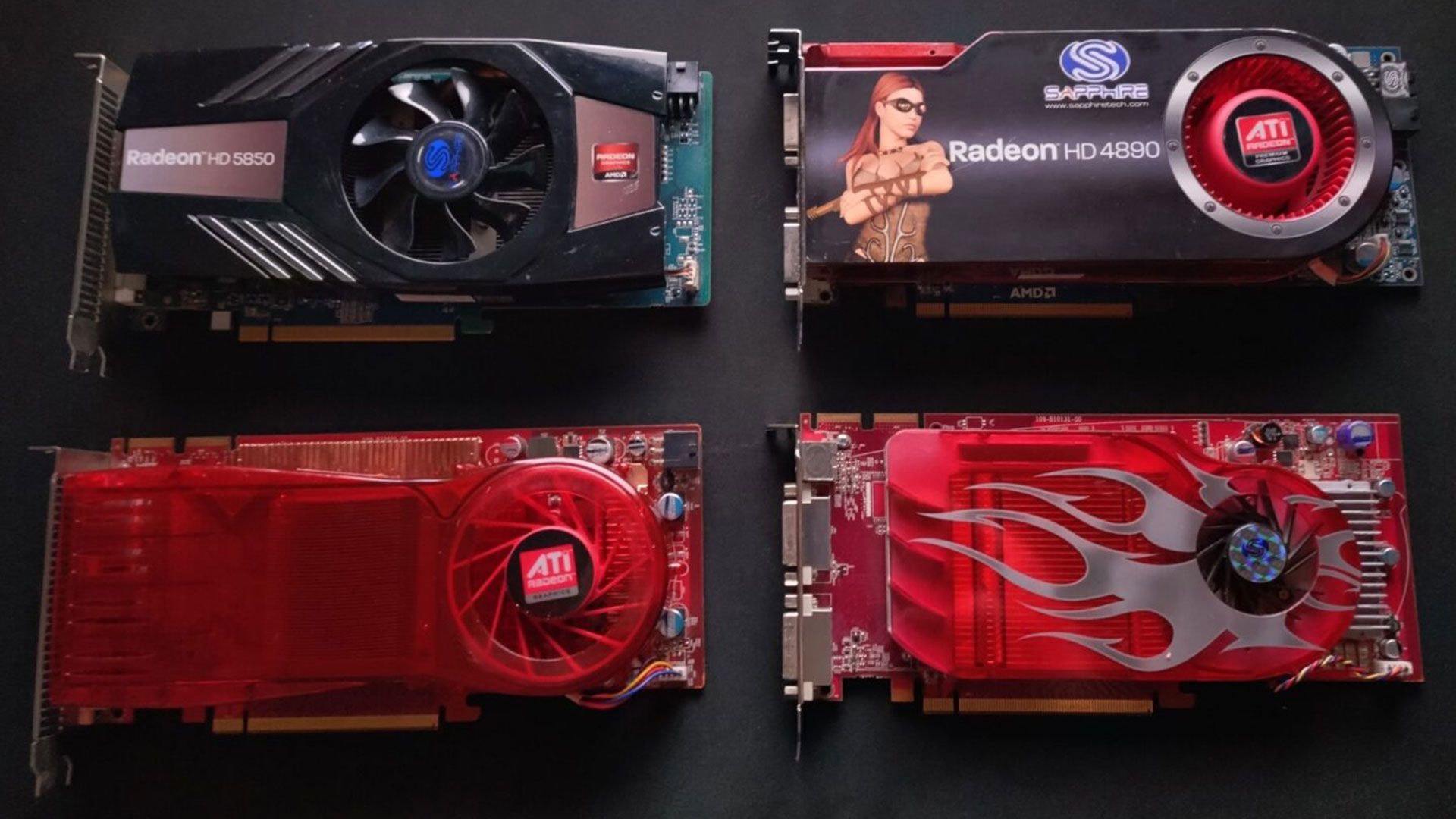
A community developer has resolved a persistent video decoding bug affecting legacy AMD Radeon graphics cards nearly two decades after their release. The fix was notably drafted with the assistance of artificial intelligence tools to patch ancient open-source drivers.

Read article
Kevin Feige Left Wanda Out of VisionQuest to Prevent Narrative Distraction
IGN9 d ago

Kevin Feige Left Wanda Out of VisionQuest to Prevent Narrative Distraction

Marvel Studios president Kevin Feige decided against featuring Elizabeth Olsen's Wanda Maximoff in VisionQuest to keep the focus firmly on Vision. Actor Paul Bettany confirmed that creative leaders wanted to avoid overshadowing the titular character's emotional rebirth.

Read article