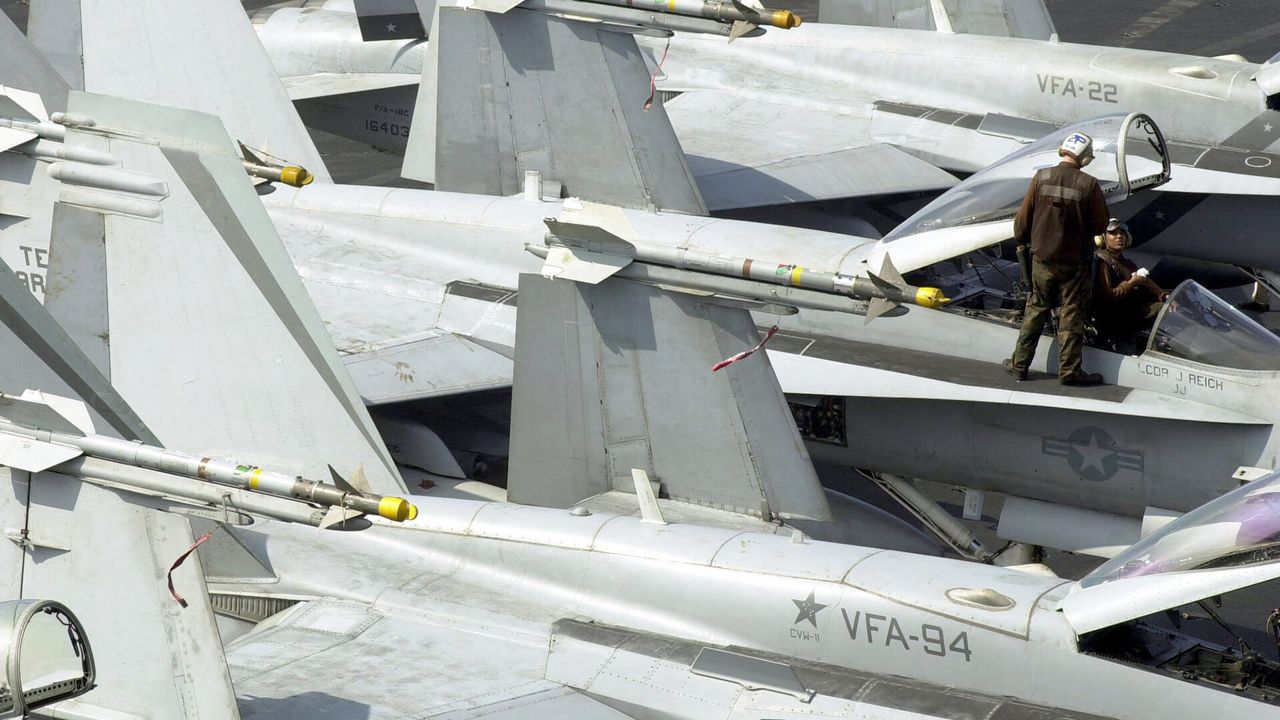
The US Navy is pioneering a significant advancement in military logistics and maintenance by actively flight-testing 3D printed composite parts for its F/A-18 Super Hornet fighter jets. This groundbreaking initiative seeks to cut down repair times by an impressive 50%, a critical improvement for maintaining operational readiness in deployment scenarios.
Affiliate contentGames up to -90% off
Instant key delivery on Instant Gaming
Browse deals →Current military operations often face logistical challenges, with replacement parts for complex aircraft systems having to travel thousands of miles through extensive supply chains. This can lead to prolonged downtime for vital assets. The Navy's solution involves equipping forward-deployed bases with advanced 3D printers capable of fabricating composite components on demand. This allows for rapid production of necessary parts right where they are needed, eliminating waiting periods and reducing reliance on distant manufacturing facilities.
The flight testing phase is crucial, as it validates the durability, structural integrity, and performance of these 3D printed components under real-world operational stress. Successful integration of these parts onto active F/A-18 Super Hornets could revolutionize how the Navy approaches maintenance and repairs, enhancing fleet readiness and responsiveness. This move not only highlights the growing maturity of additive manufacturing technologies but also signifies a strategic shift towards more agile and self-sufficient military operations, setting a precedent for future defense logistics.