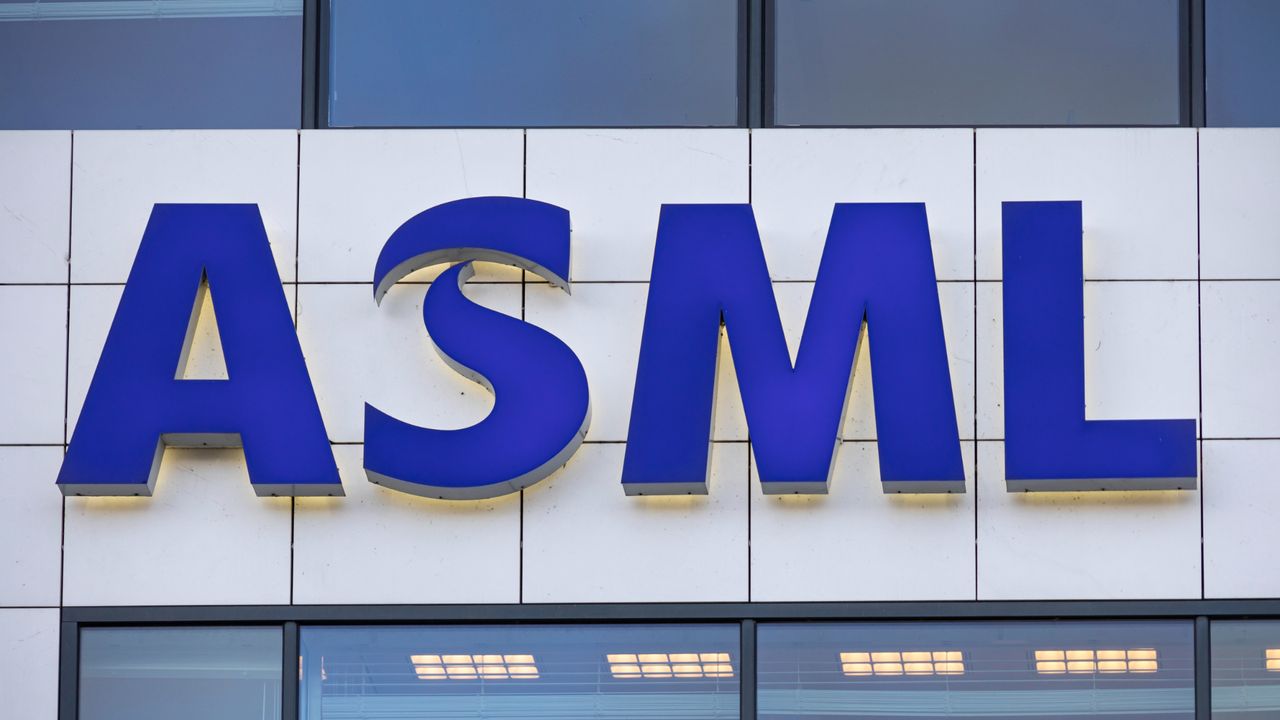
In a significant geopolitical maneuver, the United States has solidified its 'Pax Silica Alliance' by securing the formal participation of the Netherlands, a pivotal player in the advanced semiconductor industry. This development represents a substantial strategic victory for the US, reinforcing its efforts to establish a robust and secure global chip supply chain amid escalating technological competition. The Netherlands hosts key companies like ASML, the sole manufacturer of extreme ultraviolet (EUV) lithography machines essential for producing cutting-edge chips, making its inclusion in the alliance vital for US strategic interests.
Affiliate contentGames up to -90% off
Instant key delivery on Instant Gaming
Browse deals →The Pax Silica Alliance is designed to create a network of like-minded nations committed to safeguarding and advancing semiconductor technology, which is fundamental to modern economies and national security. By bringing the Dutch on board, the US aims to enhance cooperation on research and development, supply chain resilience, and the strategic control of advanced chip manufacturing capabilities. This move also serves to counter the influence of rival nations in the tech sector, particularly regarding next-generation chip production.
However, the alliance isn't without its complexities. Underlying tensions remain concerning the MATCH Act, a proposed US legislative measure that could impose restrictions on technology exports or collaborations. While intended to protect national security interests, some provisions of the MATCH Act have raised concerns among international partners, including the Netherlands, about potential impacts on their own technological sovereignty and commercial interests. Navigating these restrictions while fostering closer collaboration will be a key challenge for the Pax Silica Alliance as it seeks to solidify its position in the rapidly evolving landscape of global chip geopolitics. The successful inclusion of the Netherlands is a powerful signal of commitment to shared values and mutual security in the critical domain of semiconductors.