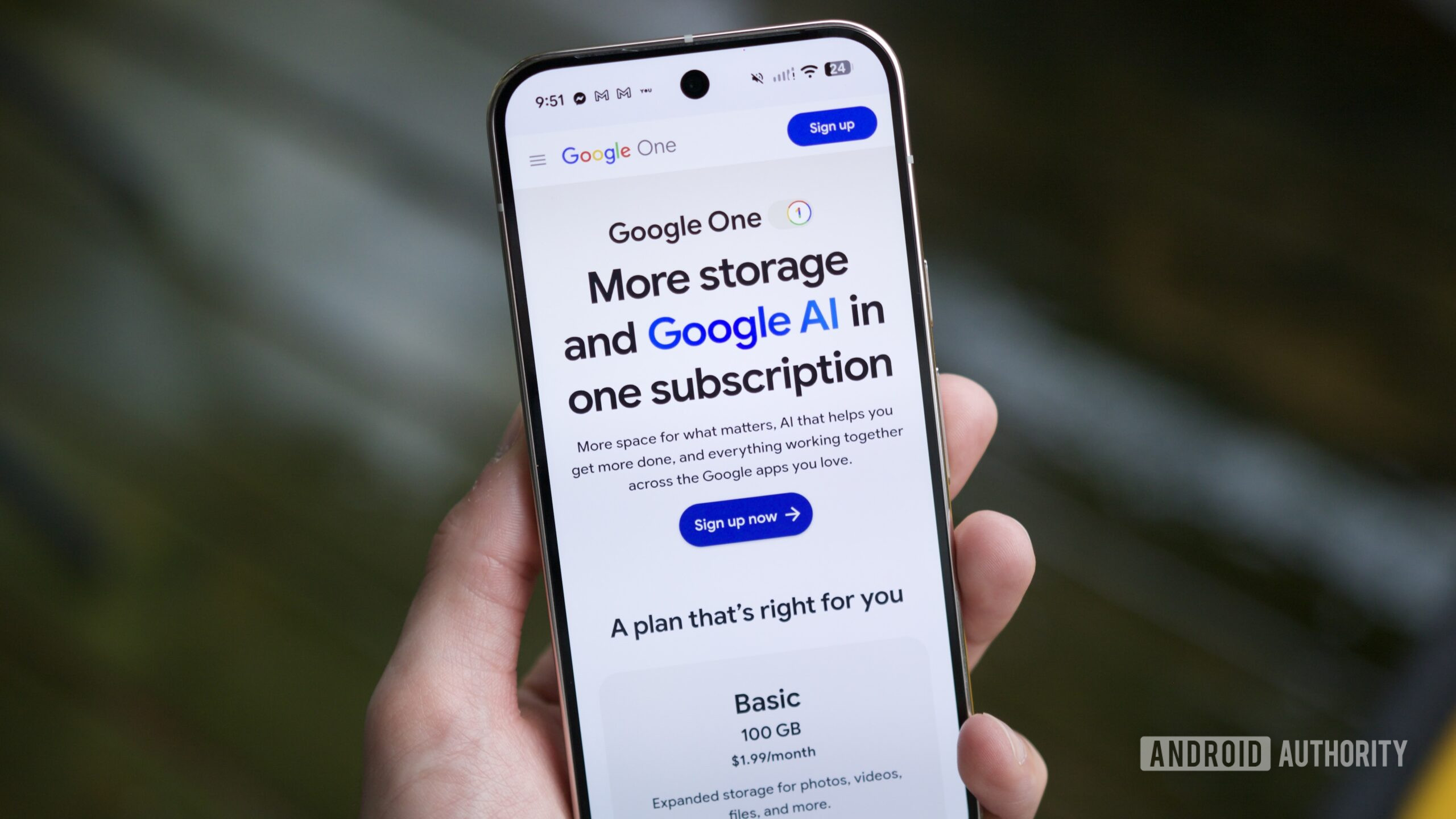
Google has recently introduced its AI Premium subscription as part of the Google One offering, promising unparalleled access to the advanced capabilities of its Gemini AI. On the surface, this deal appears incredibly compelling, providing a wealth of AI features at a seemingly affordable price point. However, a closer look at Google's historical pricing strategies and the sheer value proposition of the AI Premium service sparks a degree of skepticism in me.
Affiliate contentGames up to -90% off
Instant key delivery on Instant Gaming
Browse deals →The adage 'too good to be true' often rings true in the tech world, especially when a dominant player like Google offers extensive cutting-edge technology without a substantial premium. The features included in the AI Premium plan—such as enhanced Gemini power, deeper integration across Google services, and potentially exclusive upcoming AI tools—represent significant developmental investment. Offering this at a relatively low initial cost could be a calculated move to rapidly establish market share and train a large user base on the new AI paradigm.
My concern stems from the possibility that this attractive introductory pricing is a strategic maneuver. It wouldn't be unprecedented for tech companies to initially subsidize advanced services to drive adoption, only to progressively increase prices once users are deeply integrated into the ecosystem. While the current value is undeniable, I anticipate that as Google refines Gemini and more users become reliant on its functionalities, the 'premium' aspect of the subscription will eventually translate into a much higher monetary cost. This initial generosity, therefore, feels less like a permanent benefit and more like a carefully orchestrated entry point into a potentially pricier future.