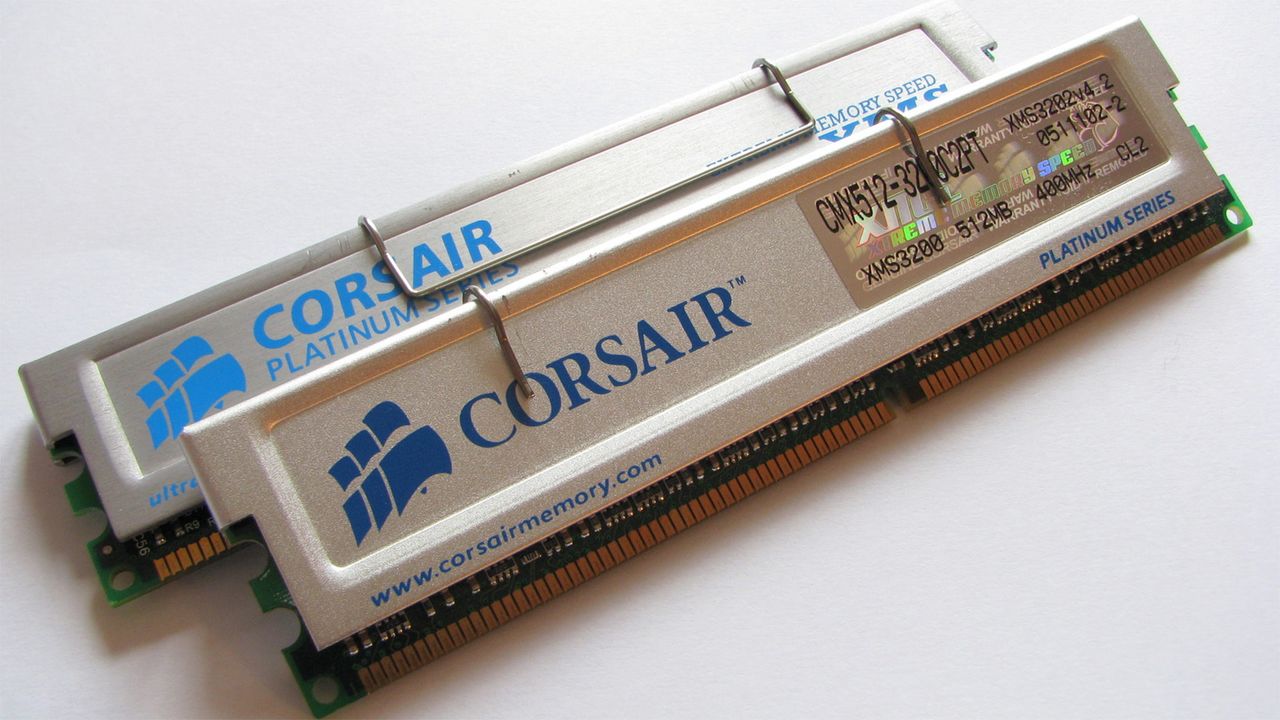
In an intriguing demonstration of backward compatibility and hardware resilience, a dedicated enthusiast has managed to get Microsoft's latest operating system, Windows 11, up and running on a system equipped with components dating back to the DDR1 era. This unconventional setup, far removed from the recommended specifications for Windows 11, centered around an Intel Core 2 Quad Q6600 processor, a chip first released in 2007.
The system's specifications continued to highlight its vintage nature: an ATi Radeon HD 4650 AGP graphics card handled the visual output, a component that underscores the age of the motherboard due to its AGP (Accelerated Graphics Port) slot, which predates PCIe as the standard expansion slot for graphics. Perhaps the most surprising element, given modern memory standards, was the use of DDR1 RAM, a memory technology that was superseded by DDR2 in the mid-2000s and is now generations behind current DDR5 modules. Despite the seemingly insurmountable hardware limitations, the enthusiast reported that Windows 11 operated "completely stable" on this venerable machine. This experiment challenges conventional wisdom regarding OS compatibility and demonstrates the impressive adaptability of Windows 11, even when pushed to its architectural limits on significantly older hardware. Such a project not only harks back to a bygone era of PC building but also provides valuable insights into the fundamental requirements and surprising flexibility of modern software.