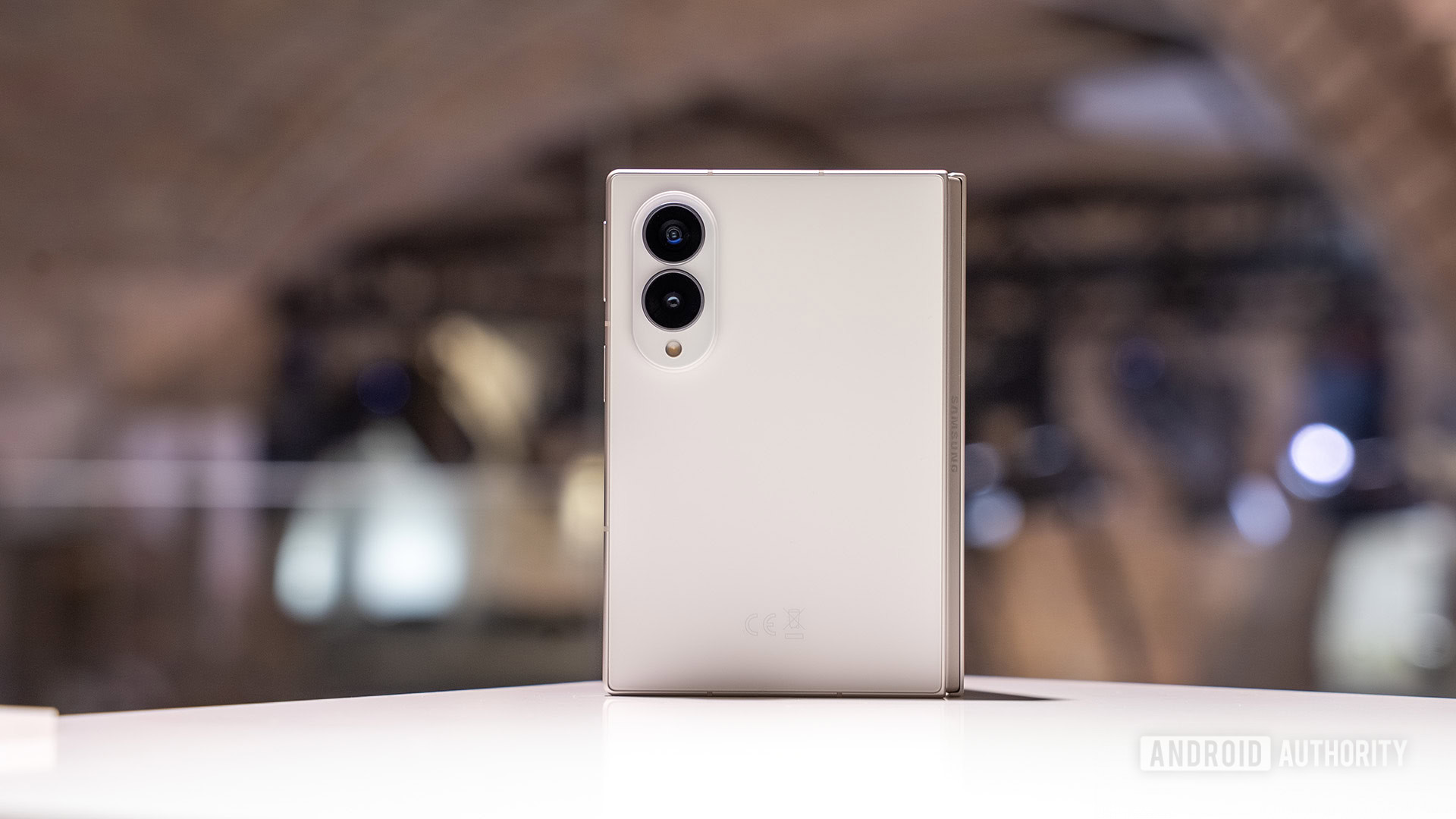
In the world of cutting-edge smartphones, a significant upgrade usually entails a device with demonstrably superior specifications across the board. Yet, here I am, contemplating purchasing the new Galaxy Z Fold 8, even though its core hardware, inexplicably, appears to be a downgrade from my current daily driver. This paradoxical desire highlights the unique appeal of foldable technology, where the raw numbers sometimes take a backseat to the experiential novelty.
Affiliate contentGames up to -90% off
Instant key delivery on Instant Gaming
Browse deals →My existing phone boasts a more advanced camera sensor, a larger battery, and potentially even a newer, more efficient processor. On paper, the Z Fold 8 seems to offer less for significantly more money. However, the true draw of the Z Fold series lies not in its individual components, but in the transformative nature of its foldable display. The ability to seamlessly transition from a compact smartphone to a tablet-like device for enhanced multitasking and media consumption presents a compelling vision of mobile computing that standard slabs simply cannot replicate.
This isn't about needing a new phone; it’s about wanting a different kind of phone. The practical utility of the larger inner screen for productivity, combined with the compact form factor when folded, offers a versatility that justifies overlooking some spec sacrifices. There’s an undeniable ‘cool factor’ and a fresh approach to interacting with a mobile device that standard smartphones, no matter how powerful, seldom provide. Ultimately, the Galaxy Z Fold 8 proposes an experience that goes beyond mere specifications, suggesting that sometimes, innovation in form can be more enticing than incremental improvements in performance, even if it means taking a step back on certain technical fronts.