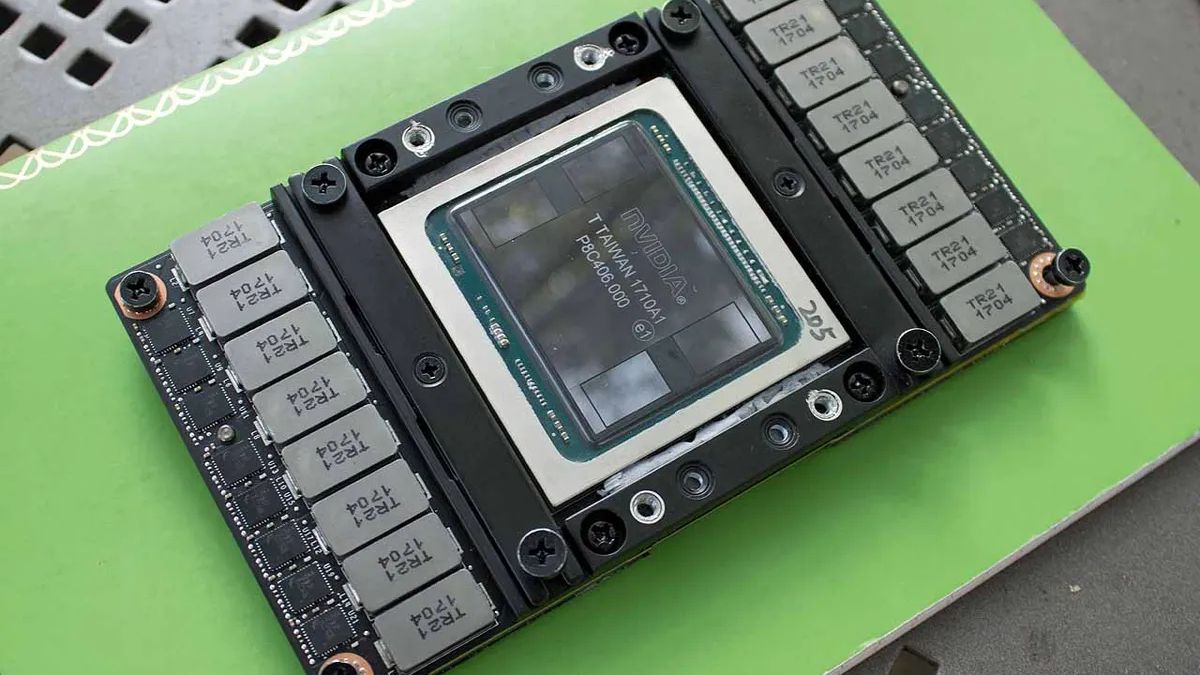
In a remarkable display of ingenuity and a touch of daring, a PC enthusiast has taken a formidable, albeit cacophonous, enterprise-level Nvidia Tesla V100 GPU and integrated it directly into their gaming desktop. Acquired for a mere $266, this high-performance card, originally designed for data centers and AI research, brings an astonishing 32GB of VRAM to the user's personal computing environment. The primary motivation behind this unusual integration is to enable robust local inference for large language models (LLMs).
Affiliate contentGames up to -90% off
Instant key delivery on Instant Gaming
Browse deals →While the Tesla V100, which is known for its considerable noise output—likened by some to a lawnmower—might seem an odd choice for a home setup, its unparalleled VRAM capacity offers significant advantages for AI development and experimentation. The enthusiast has successfully demonstrated the card's ability to run a sophisticated 27-billion parameter language model, processing information at an impressive speed of 32 tokens per second. This capability allows for complex AI computations and model testing directly on a personal machine, circumventing the need for expensive cloud-based services.
This project highlights a growing trend among AI hobbyists and researchers to leverage older, but still powerful, enterprise hardware for cutting-edge applications. Despite the compromise in acoustics and the challenge of integrating a data center component into a consumer chassis, the cost-effectiveness and raw processing power of the Tesla V100 make it an attractive option for those looking to push the boundaries of local AI inference without breaking the bank. It underscores how repurposed technology can democratize access to advanced computing capabilities, enabling individuals to engage with large-scale AI models on their own terms.