Back
Android Authority2 h ago

Galaxy Z Flip 8 Could Adopt a Dual-Chip Strategy, Mirroring the Galaxy S Series

Samsung's upcoming Galaxy Z Flip 8 might follow the flagship Galaxy S line by integrating both Snapdragon and Exynos processors. This move suggests a departure from an exclusive Exynos strategy for its foldable clamshell.

Galaxy Z Flip 8 Could Adopt a Dual-Chip Strategy, Mirroring the Galaxy S Series

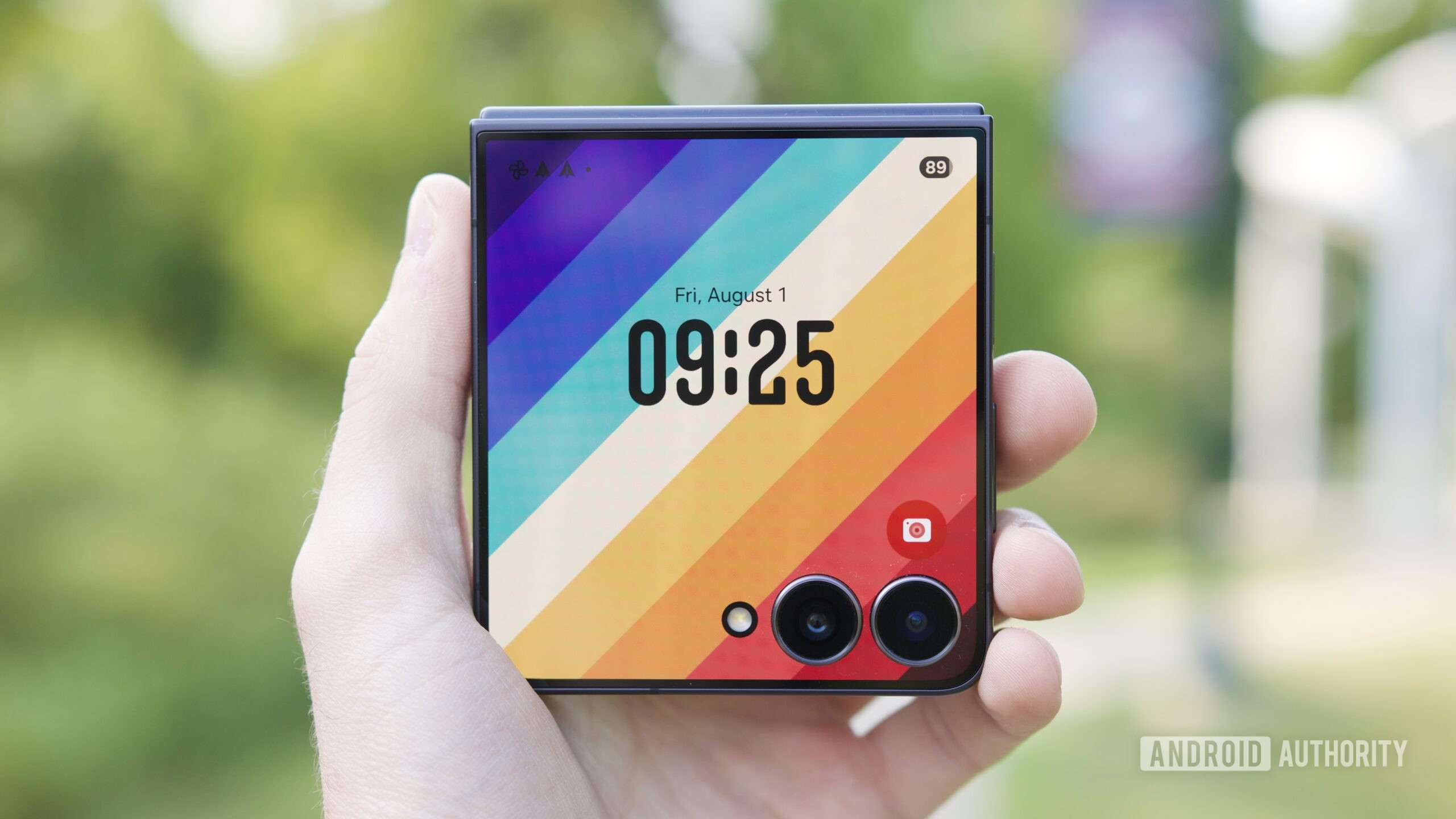
Samsung appears poised to implement a dual-chip strategy for its highly anticipated Galaxy Z Flip 8, echoing the approach taken with its premium Galaxy S series. This means consumers could see models featuring both Qualcomm's Snapdragon chipsets and Samsung's in-house Exynos processors, depending on the market region.

Affiliate content
Instant Gaming

Games up to -90% off

Instant key delivery on Instant Gaming

Browse deals →

Historically, Samsung has often differentiated its smartphone offerings by region, utilizing a mix of chipsets. For its foldable line, however, there was speculation that the company might lean more heavily, or even exclusively, on its Exynos silicon to bolster its manufacturing capabilities and reduce reliance on third-party suppliers. The current rumor mill suggests a different path, indicating that the Z Flip 8 will likely benefit from the performance and efficiency offered by both chip architectures.

This strategy could provide several advantages. For consumers, it often means optimized performance and battery life tailored to local network conditions and software environments. For Samsung, it allows for greater flexibility in managing supply chains, mitigating risks associated with sole-source component reliance, and potentially catering to specific market demands or regulations more effectively. By adopting a tried-and-true method from its immensely successful Galaxy S series, Samsung aims to ensure the Galaxy Z Flip 8 maintains competitive performance while navigating the complexities of global distribution and component availability.

Summary based on third-party reporting.

Original source: Android Authority

Recommended

TSMC Prioritizes Chip Capacity Amid Surging AI Demand, Vows Price Stability
Tom's Hardware2 h ago

TSMC Prioritizes Chip Capacity Amid Surging AI Demand, Vows Price Stability

TSMC's CEO, C.C. Wei, announced that the company is struggling to keep up with the overwhelming demand from AI hyperscalers and expects this challenge to persist for an extended period, despite plans to maintain stable pricing. This situation could inadvertently benefit competitors like Intel, as companies desperate for advanced chips might turn to Intel's 18A or 14A nodes to fulfill their immediate needs.

Read article
Guide to Mastering Week 3 Events in Forza Horizon 6 Series 1 Festival Playlist
Dot Esports2 h ago

Guide to Mastering Week 3 Events in Forza Horizon 6 Series 1 Festival Playlist

This week's Festival Playlist in Forza Horizon 6 throws some of the toughest challenges yet at players, demanding precision and skill to conquer. From intricate PR Stunts to arduous Seasonal Championships, navigating these events successfully will be a true test of driving prowess.

Read article
Qualcomm Discusses Snapdragon C, RTX Spark, and the Agentic AI Future
Tom's Hardware2 h ago

Qualcomm Discusses Snapdragon C, RTX Spark, and the Agentic AI Future

In a recent roundtable, Qualcomm's SVP of Compute and Gaming elaborated on the company's initiatives for the low-cost laptop market with Snapdragon C, alongside its broader vision for an agentic AI ecosystem built on Qualcomm silicon. This strategy underscores Qualcomm's ambition to not only compete in diverse hardware segments but also to cement its position as a foundational provider for the next generation of AI technologies.

Read article
Consumers Are Holding Onto Their Smartphones Longer Than Expected, Survey Reveals
Android Authority2 h ago

Consumers Are Holding Onto Their Smartphones Longer Than Expected, Survey Reveals

A recent survey indicates that most smartphone users are extending the lifespan of their devices, a trend that goes against the typical annual or bi-annual upgrade cycle. This shift suggests a growing conservatism in consumer tech purchases, potentially driven by various factors.

Read article