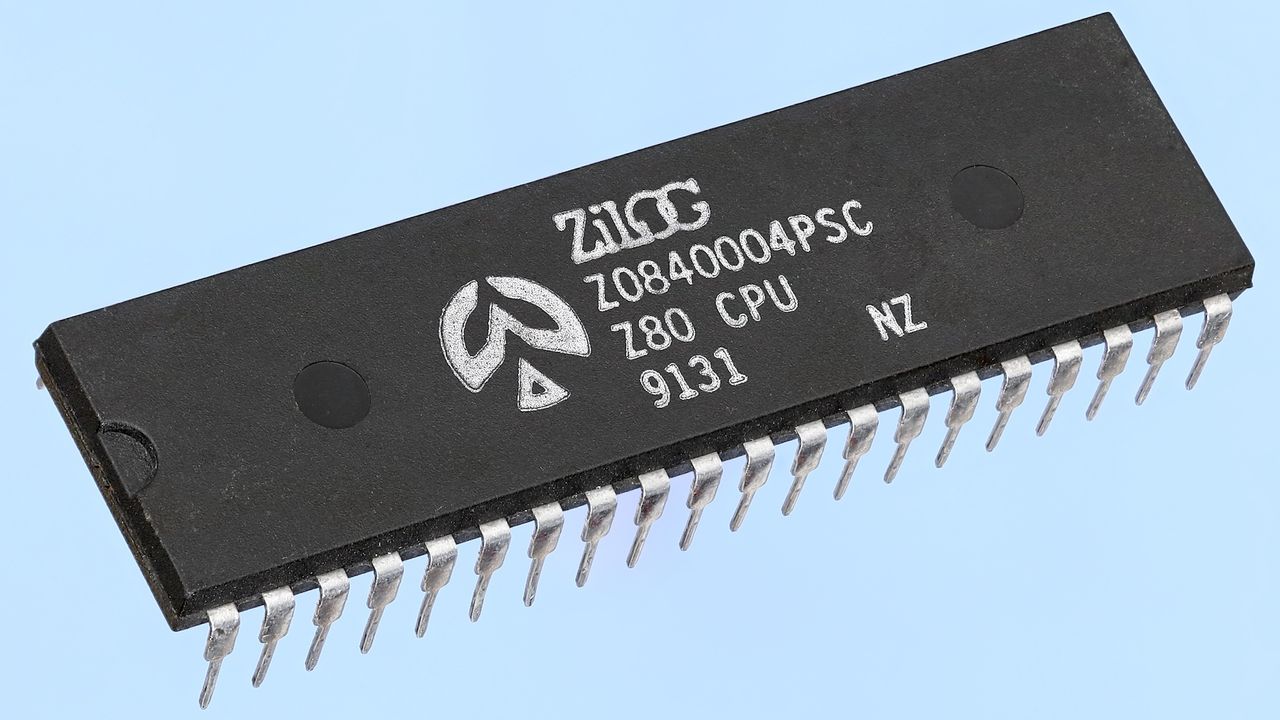
Fifty years ago, in July 1976, the computing world was introduced to a chip that would leave an indelible mark: the Zilog Z80. This iconic 8-bit microprocessor, which featured 8,500 transistors on a 4µm process and typically ran at 2.5 MHz, became a cornerstone for countless embedded systems, home computers, and arcade machines. Its remarkable longevity saw it actively produced until its official discontinuation in 2024, a testament to its robust design and widespread adoption.
As the Z80 marks its golden jubilee, its influence continues to resonate. Projects are now underway to create an open-source, drop-in replacement that will fit directly into existing DIP40 sockets, breathing new life into vintage hardware and fostering renewed development. This initiative is particularly exciting for retrocomputing enthusiasts and those looking to develop new applications for a classic architecture without the constraints of original, dwindling stock.
Affiliate contentGames up to -90% off
Instant key delivery on Instant Gaming
Browse deals →The Z80's success stemmed from its powerful instruction set, competitive pricing, and compatibility with Intel's 8080. These factors made it a versatile choice for developers, leading to its integration into popular systems like the Sinclair ZX Spectrum, TRS-80, and the MSX line of computers. Even industrial control systems and certain military applications continued to rely on its reliability for decades.
The development of an open-source silicon replacement is not merely a nostalgic endeavor; it's a practical step to ensure the Z80's legacy endures. By providing an accessible, modern equivalent, future generations of engineers and hobbyists can explore, learn from, and innovate upon one of computing's most significant foundational chips. This new chapter for the Z80 ensures that its 50th anniversary is not just a look back, but also a look forward into a future where its architectural genius continues to inspire.