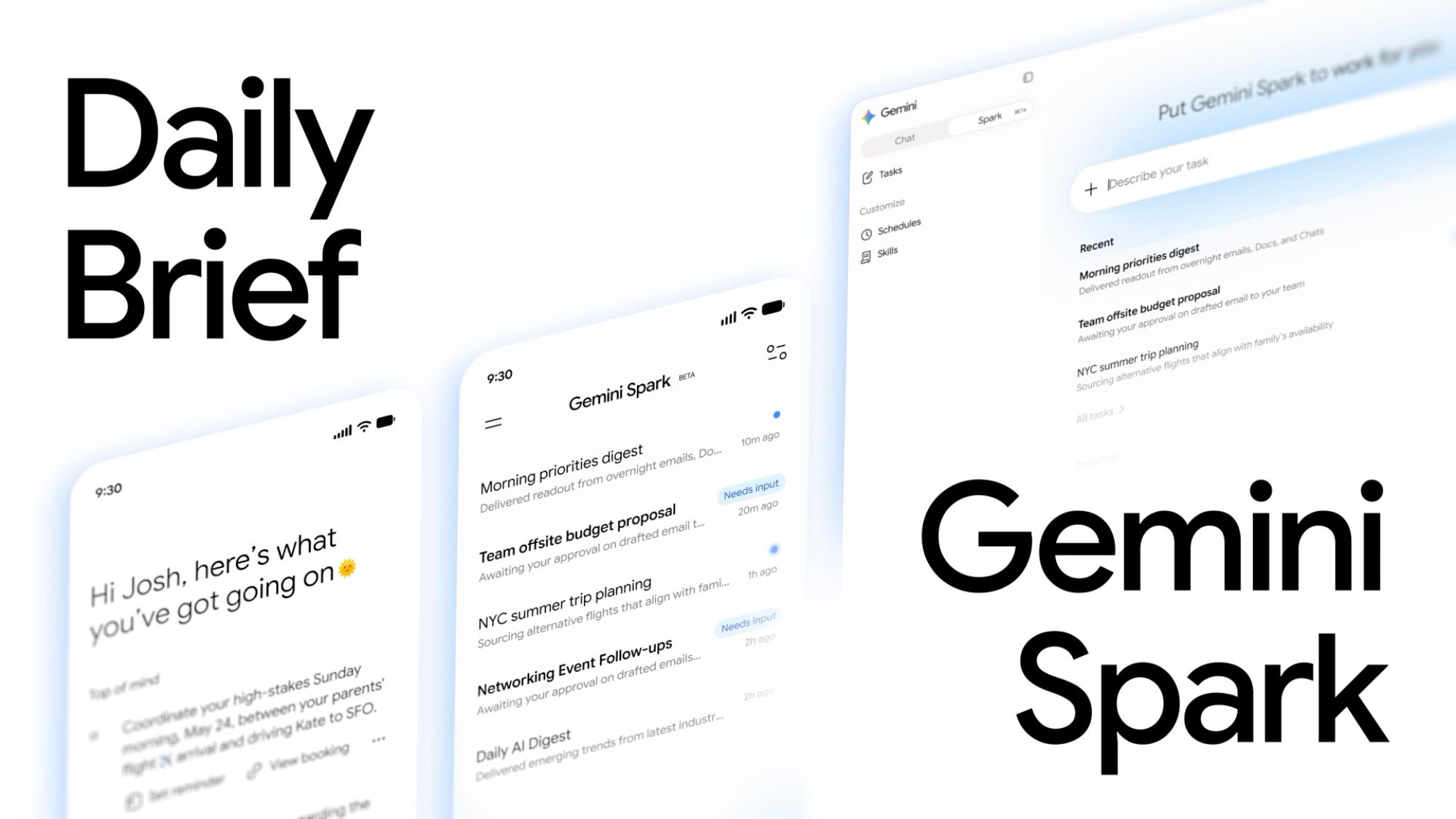
The artificial intelligence landscape continues its rapid expansion, with Google's Gemini Spark now making its way into the Chrome browser. This integration promises a more seamless and intelligent browsing experience, as the AI tool aims to offer assistance directly within popular web activities. Users can anticipate features that might streamline tasks, provide relevant information, or even help with content creation, all without needing to navigate away from their current browser window.
However, this new level of integration also brings forth considerable discussions regarding user trust and data privacy. The very nature of a helpful AI like Gemini Spark implies access to a user's browsing history, account information, and potentially other sensitive data for it to function optimally. While the benefits of such a connected AI are clear in terms of convenience and efficiency, the implications of sharing personal account information with an automated system are significant. Users must weigh the advantages of enhanced AI functionality against the potential privacy concerns arising from a deeper integration with their digital lives. As Gemini Spark becomes more entwined with daily internet use, the conversation around what constitutes 'helpful' versus 'nosy' AI will undoubtedly intensify.