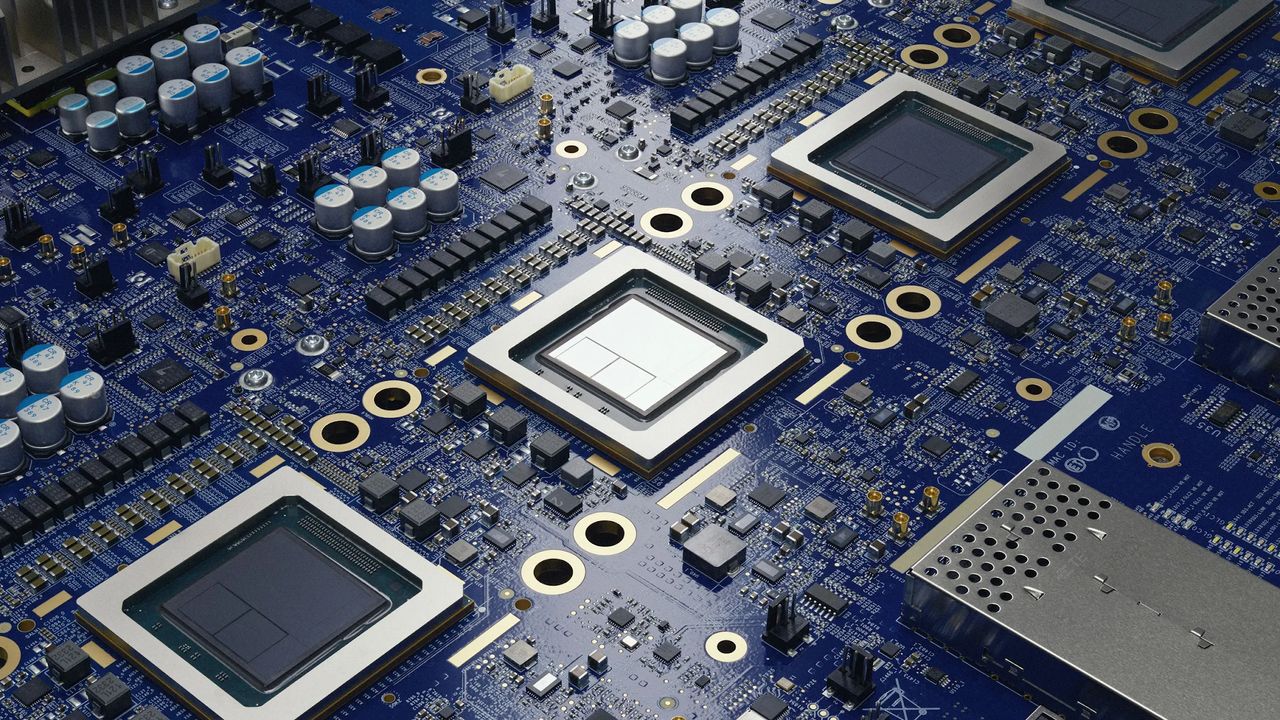
A new report from Fubon Research suggests a dramatic shift in the AI hardware landscape, indicating that Google harbors an audacious goal to potentially outproduce Nvidia in AI accelerator units by 2028. This projection, if accurate, points to a massive scaling of Google's Tensor Processing Unit (TPU) production.
Google has been developing its custom TPUs for years, offering an alternative to Nvidia's dominant GPUs for AI workloads within its own data centers. However, this new claim suggests Google is not just aiming for self-sufficiency but for a leading position in the overall AI accelerator market.
Affiliate contentGames up to -90% off
Instant key delivery on Instant Gaming
Browse deals →To meet such an aggressive production target, especially one that could surpass Nvidia's formidable output, Google may need to look beyond its current manufacturing capabilities. The report speculates that Google could potentially collaborate with external foundries, with Intel Foundry being a prominent candidate. This move would signify a strategic partnership, allowing Google to leverage Intel's advanced manufacturing processes and capacity.
Such a development would have profound implications for the semiconductor industry, intensifying competition in the rapidly growing AI chip sector. It could also bolster Intel Foundry's position as a critical player for advanced chip manufacturing for third-party clients, signaling a potential resurgence in its foundry business. Google's pursuit of such a high volume of accelerators underscores the company's deep commitment to AI development and its desire to control the underlying hardware infrastructure.