Google has recently implemented a noteworthy adjustment to its Android backup mechanism, introducing changes that, while potentially leading to a marginal increase in storage consumption, ultimately empower users with greater control over their backed-up information. This strategic update demonstrates Google's ongoing efforts to refine the Android ecosystem, balancing the need for comprehensive data protection with user-centric management.
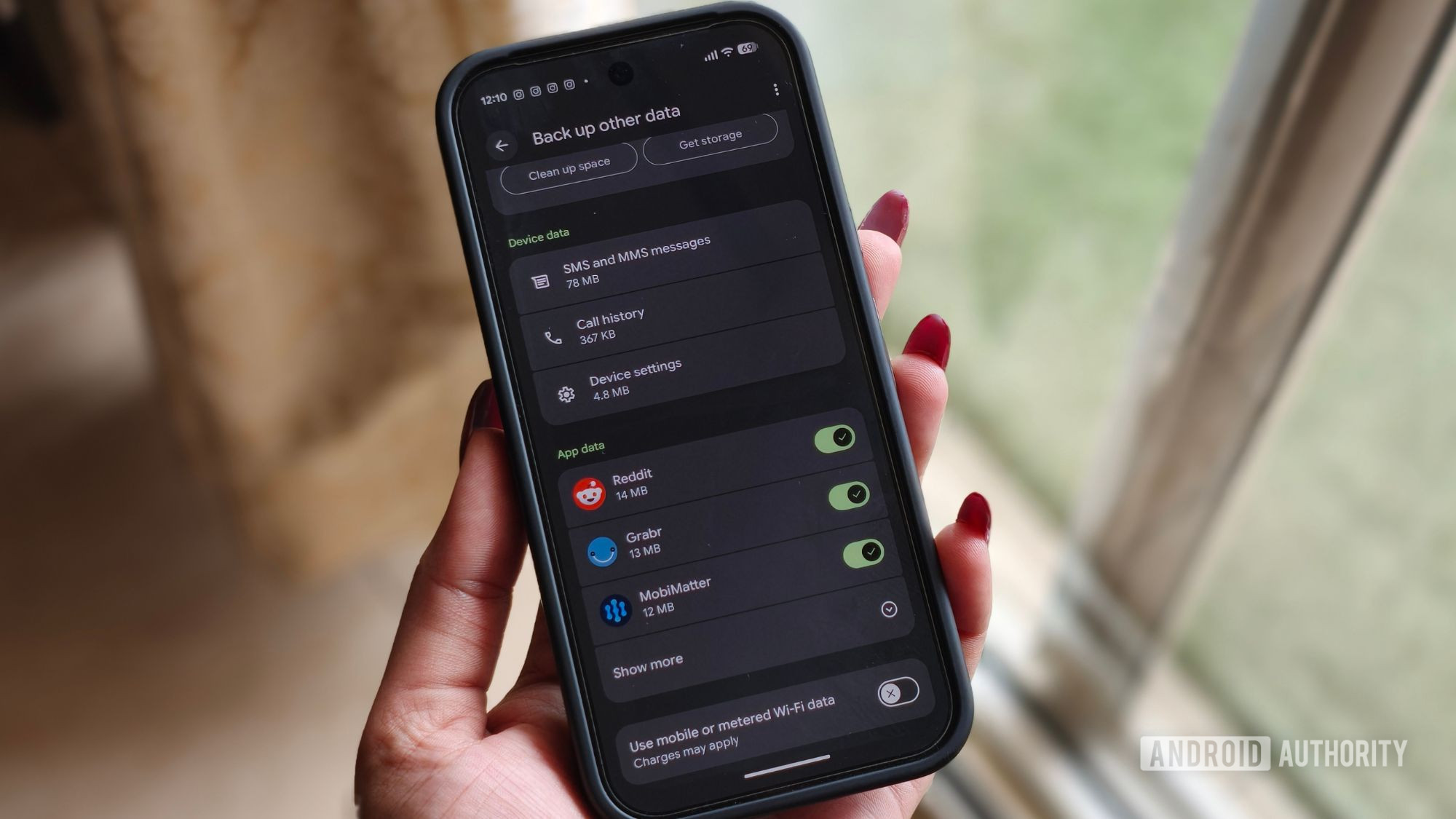
Previously, Android backups, while automatic and convenient, sometimes felt like a black box, offering limited insight into what exactly was being saved or how it could be managed. The latest iteration, however, provides more granular options for users to specify which data and applications are included in their backups. This enhanced level of control means that while the total size of your backup might grow slightly to accommodate these more detailed snapshots, you gain the ability to tailor your backup strategy to your specific needs. For instance, users might now be able to exclude certain large files or app data they deem unnecessary for cloud storage, or conversely, ensure that critical application settings are always preserved. This shift represents a positive step towards a more transparent and manageable backup experience, ensuring that users not only have their data safeguarded but also have the agency to decide precisely how and what is being protected in the cloud.