As a consistent user of every Google Pixel device since the inception of the Tensor chip, my experience paints a clear picture of its evolution: a path fraught with ambitious innovation, yet also hampered by undeniable shortcomings. Google’s bold move to design its own silicon was aimed at enabling tighter hardware-software integration and powering advanced AI features, but the execution hasn't always met expectations, especially when compared to rivals like Apple's A-series or Qualcomm's Snapdragon.
Affiliate contentGames up to -90% off
Instant key delivery on Instant Gaming
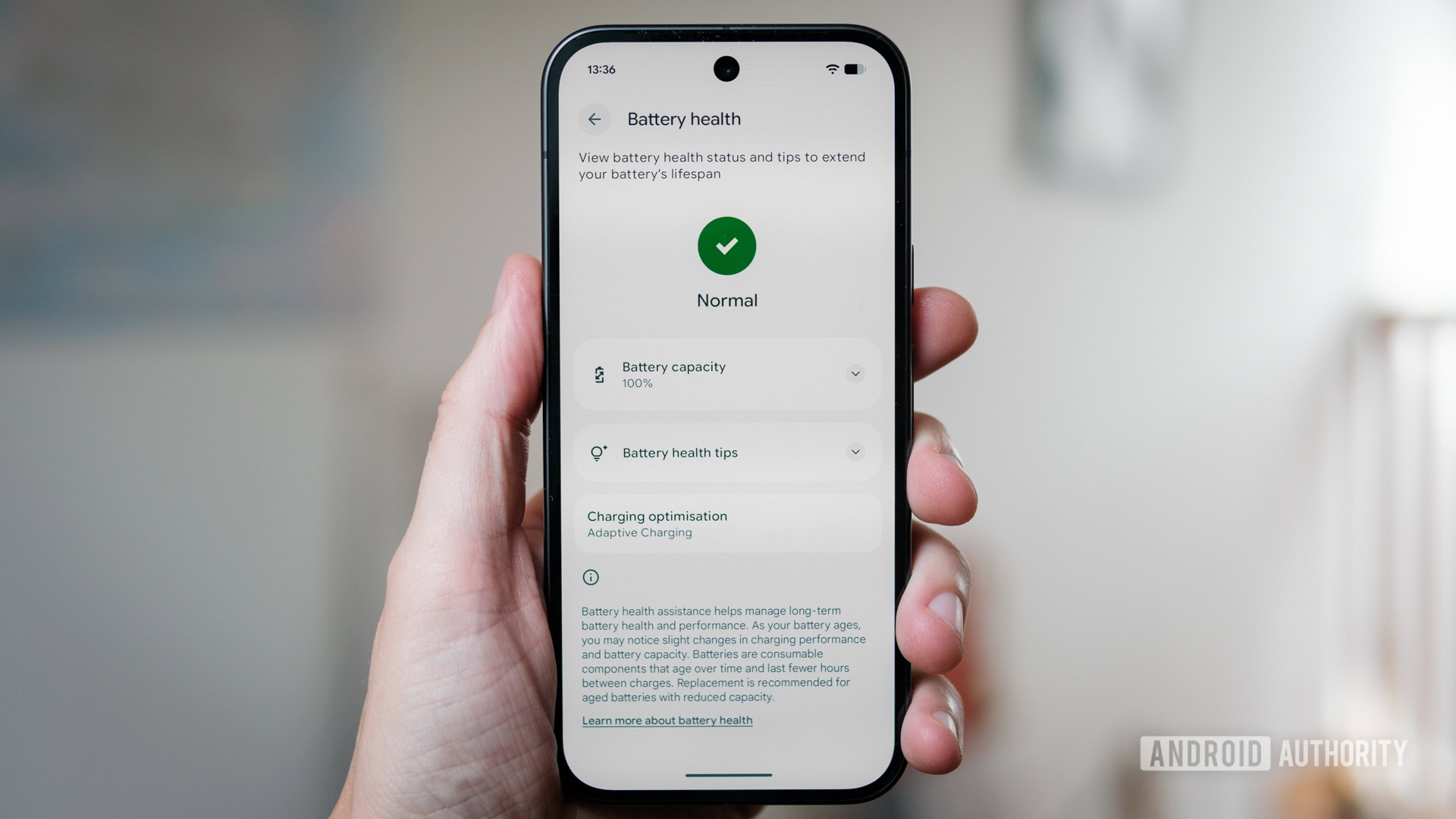
Browse deals →Early Tensor chips, while excellent for AI tasks and computational photography, often struggled with power efficiency and sustained performance. Overheating issues and noticeable battery drain under heavy use were common complaints, making it difficult for the Pixel series to compete directly with other flagships on raw power and endurance. While incremental improvements have been made with each generation, a consistent gap in overall efficiency and peak performance has persisted, preventing the Pixel from truly leading the pack in hardware. It felt as though Google was prioritizing niche AI features over foundational performance elements.
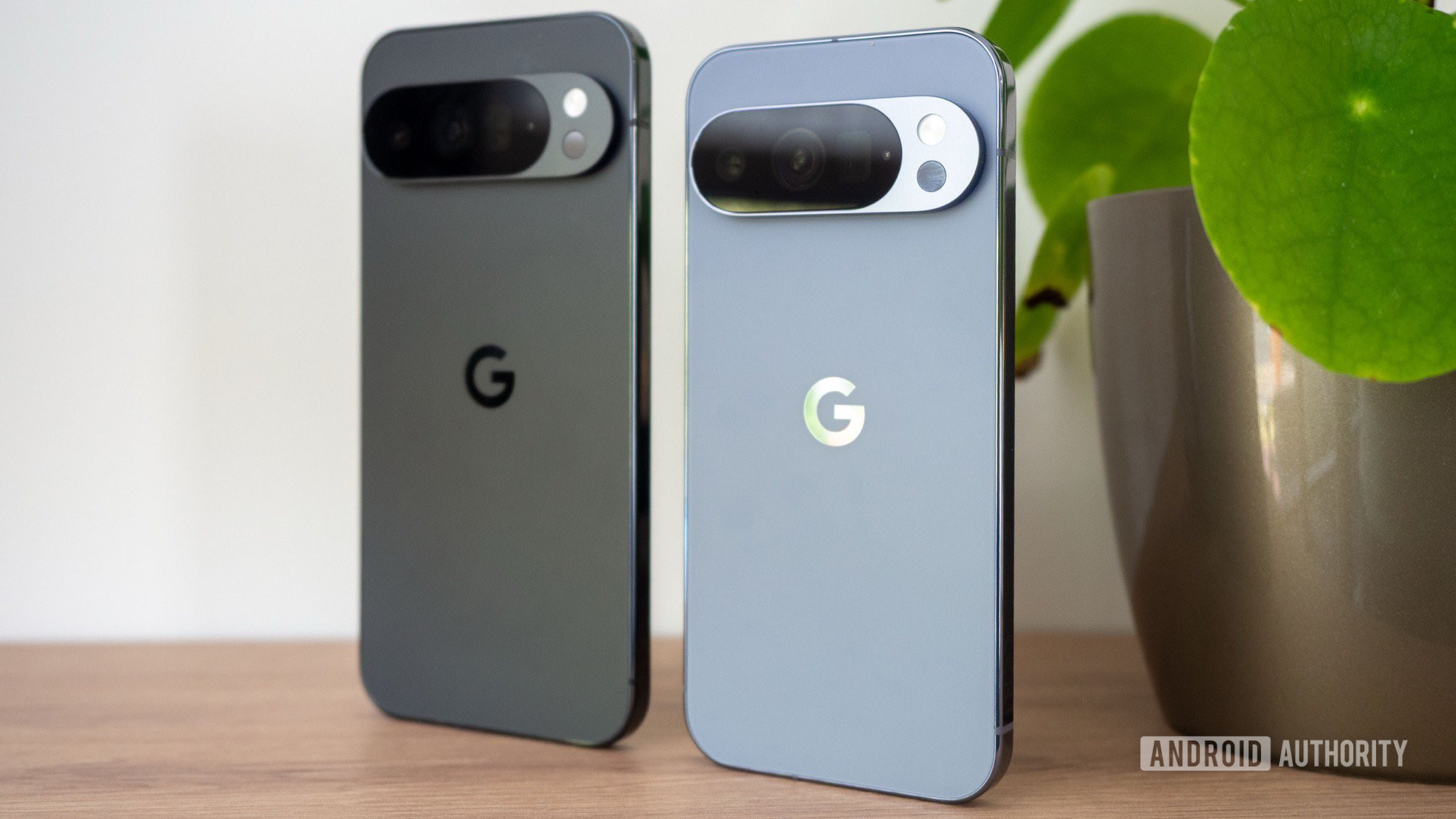
Moving forward to the anticipated Pixel 11 and its next-generation Tensor chip, the hope is for a significant paradigm shift. Google needs to focus heavily on improving raw CPU and GPU performance, bringing them up to par with industry leaders. Crucially, addressing power consumption and thermal management should be a top priority to ensure longer battery life and sustained high performance without throttling. If Google can deliver a Tensor chip that not only excels in AI but also stands toe-to-toe with competitors in fundamental efficiency and power, the Pixel series could finally unlock its full potential and truly redefine the Android flagship experience.