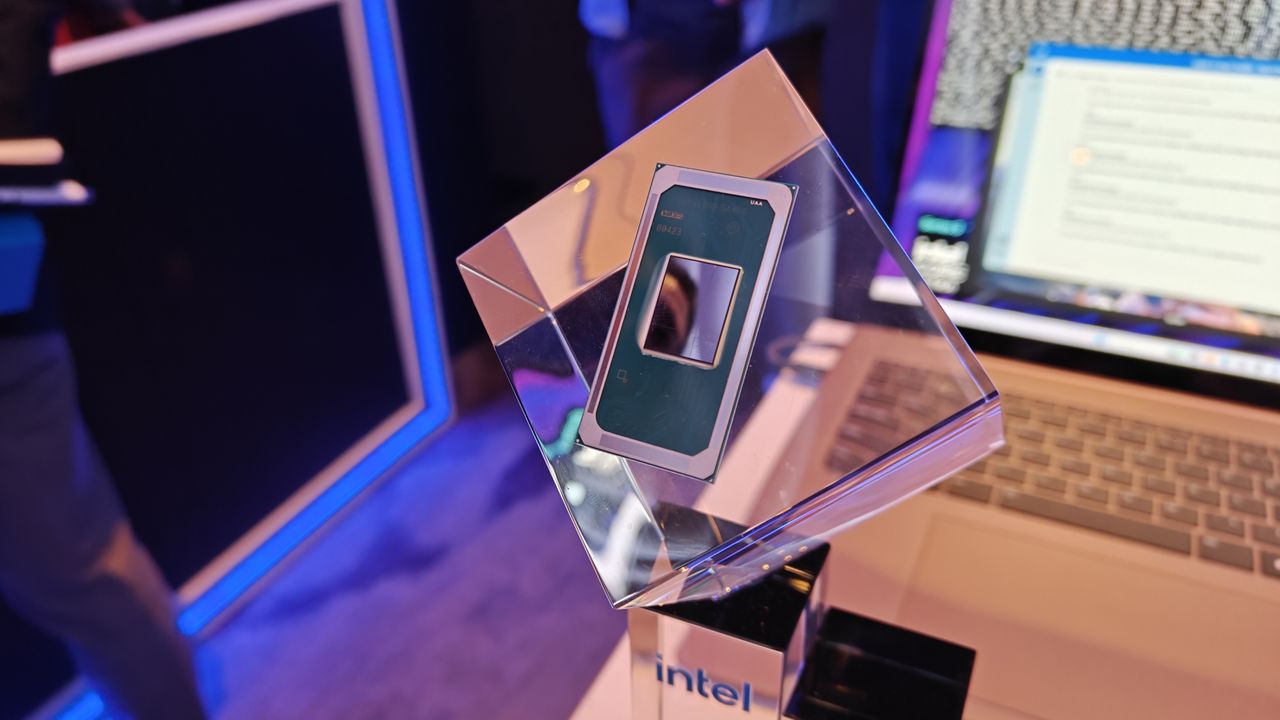
Intel has officially begun risk production for its performance-enhanced 18A-P manufacturing process, marking a pivotal moment in the company's roadmap for next-generation silicon. This crucial stage allows Intel to refine its manufacturing techniques and address potential issues before the process transitions to full-scale production in the coming months.
Affiliate contentGames up to -90% off
Instant key delivery on Instant Gaming
Browse deals →The 18A-P iteration represents a significant upgrade over the original 18A process, which itself is a cornerstone of Intel’s ambitious ‘five nodes in four years’ strategy. Key improvements with 18A-P include an impressive 9% boost in performance when operating at the same power level. This means chips fabricated with 18A-P will be able to accomplish more computational work without increasing energy consumption, leading to more efficient and powerful devices.
Furthermore, the enhanced process targets a substantial 40% reduction in thermal resistance. Lower thermal resistance is critical for maintaining optimal operating temperatures, especially in high-performance computing environments. This improvement will allow for more aggressive clock speeds and denser transistor packing without compromising reliability, translating to cooler-running and potentially smaller devices. The move to risk production suggests that Intel is confident in its ability to meet its process technology goals and deliver highly competitive products to the market soon.