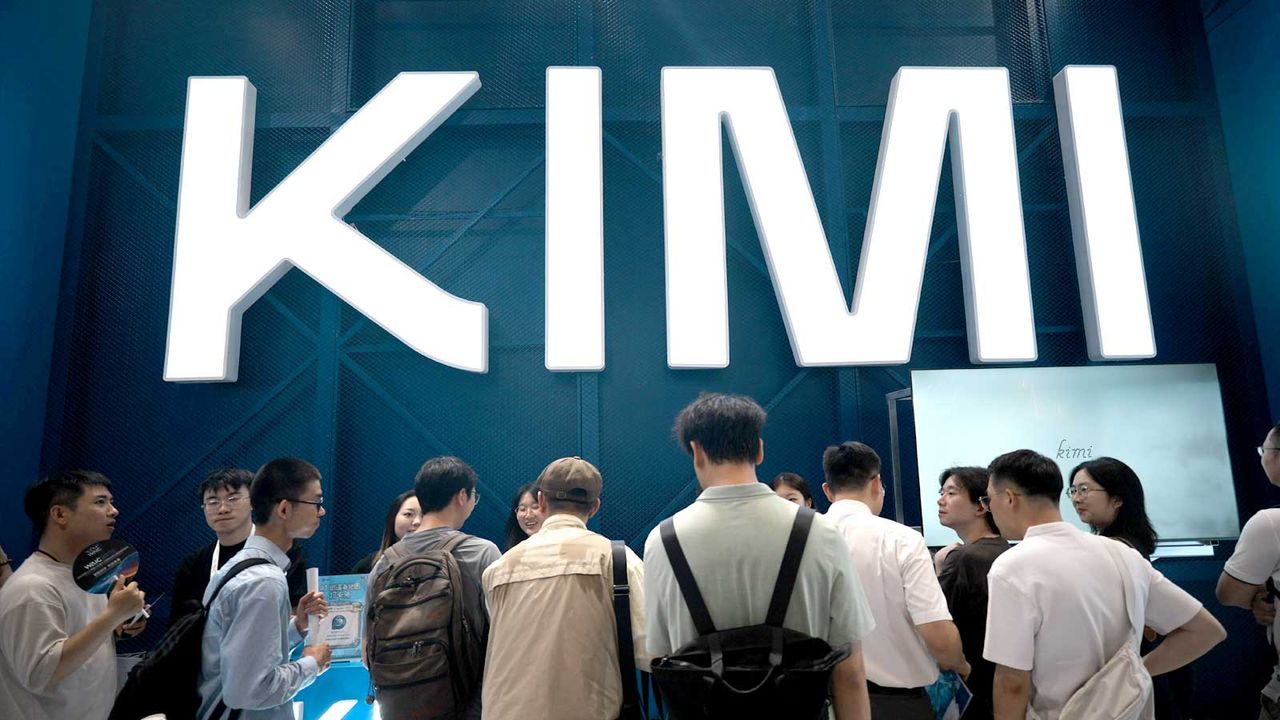
The artificial intelligence industry is witnessing a significant shake-up with the introduction of Moonshot AI's Kimi K3, a colossal 2.8 trillion-parameter model. This Chinese-developed AI is rapidly gaining attention for its ability to challenge established closed-source American competitors, primarily through its highly competitive pricing strategy. Kimi K3 demonstrates that advanced AI capabilities, often associated with Western tech giants, can be delivered at a more accessible cost point.
Affiliate contentGames up to -90% off
Instant key delivery on Instant Gaming
Browse deals →While Kimi K3’s capabilities are reported to be on par with some of the best models developed in the West, its sheer size presents a formidable challenge for deployment. A 2.8 trillion-parameter model requires substantial hardware infrastructure to run efficiently at scale, posing a new dilemma for organizations looking to integrate such powerful AI. This creates a critical balancing act: achieving impressive performance and scalability while managing the significant underlying hardware and energy costs.
This development signifies a new phase in the global AI race, where the focus is not solely on developing the largest or most capable models, but also on optimizing the balance between performance, operational efficiency, and overall cost. Furthermore, Kimi K3's emergence from China underscores the growing emphasis on sovereign control over critical AI technologies, allowing nations to cultivate independent AI ecosystems. This strategic imperative adds another layer to the complex competition, pushing innovation towards solutions that are not only powerful but also economically and geo-politically viable.