Regulatory authorities across Southeast Asia are clamping down on illicit supply chains suspected of rerouting restricted artificial intelligence hardware. Both Malaysia and Singapore have stepped up official investigations into the movement of enterprise-grade Nvidia graphics processors, responding to international concerns over export compliance and geopolitical sanctions.
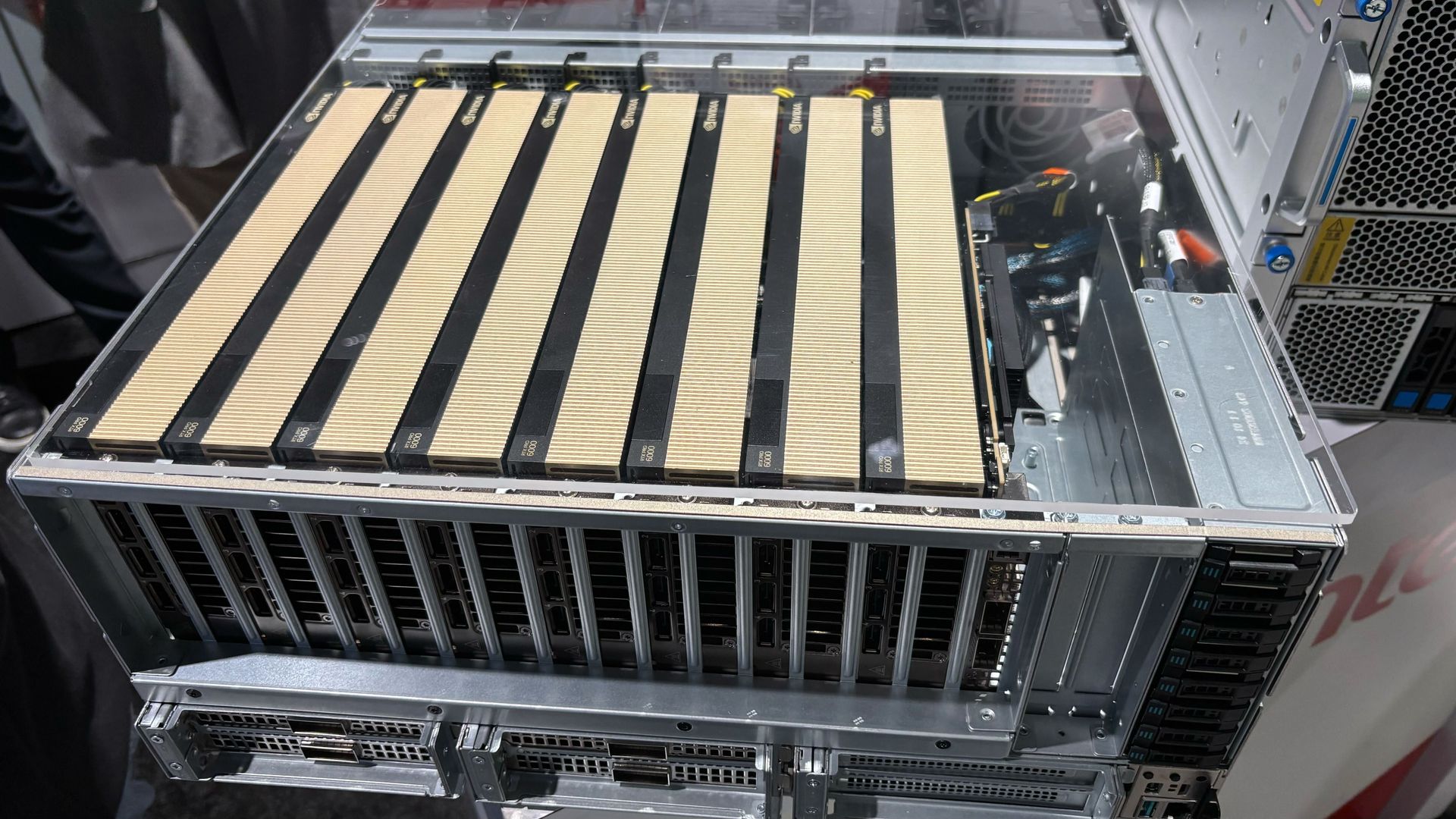
In Singapore, prosecutors recently brought formal charges against a company executive accused of facilitating fraudulent transactions involving nearly one thousand high-end AI servers. Investigators allege that false documentation was utilized to mask the true destination and end-users of the equipment, circumventing trade controls intended to limit the spread of cutting-edge computing technology to restricted entities, particularly in China.
Affiliate contentGames up to -90% off
Instant key delivery on Instant Gaming
Browse deals →Simultaneously, Malaysian government agencies are examining logistics hubs and local tech firms to ensure that hardware arriving in the country is not being surreptitiously forwarded across borders. With substantial foreign investment flowing into domestic data center hubs, Malaysian officials are eager to demonstrate rigorous enforcement of global trade standards without stifling legitimate technological growth.
The heightened scrutiny coincides with intense public focus on Nvidia and its international distribution networks. As geopolitical tensions around advanced semiconductor technology escalate, tech giants face growing pressure to audit their supply chains thoroughly. International regulators remain vigilant against grey-market networks that exploit regional logistics centers to bypass technology export bans.