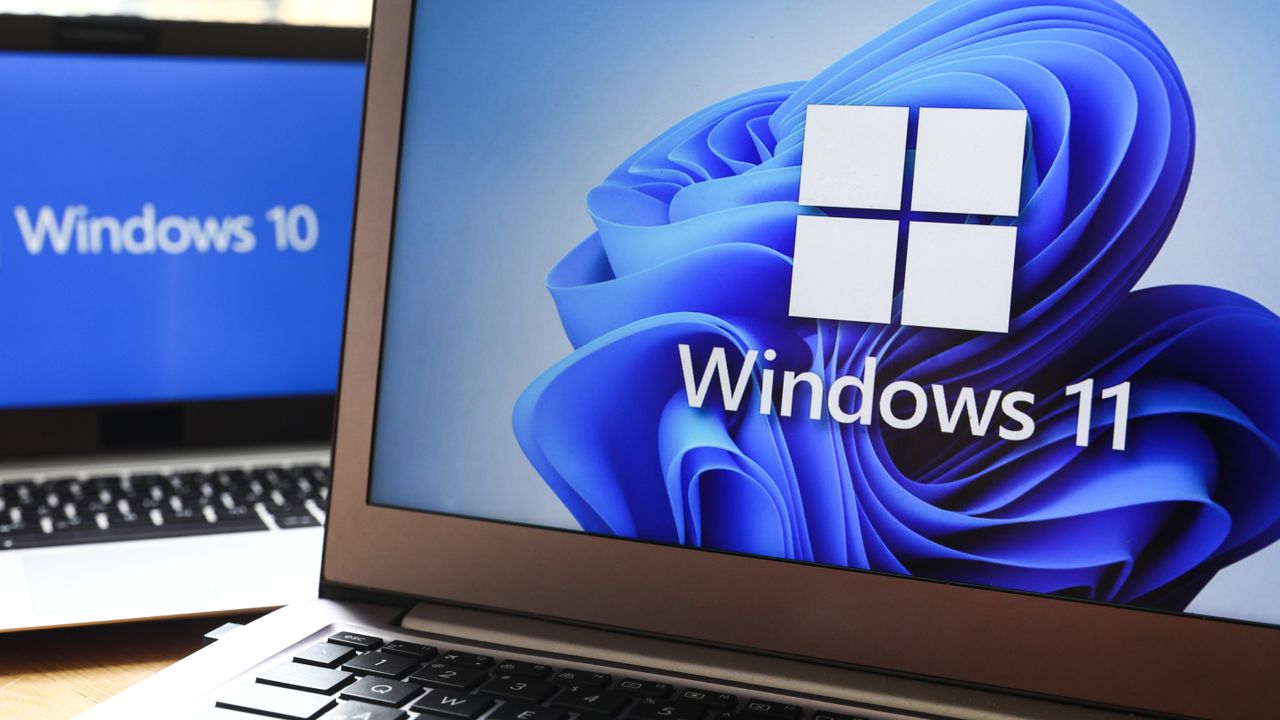
In a significant move to adapt to current hardware realities, Microsoft is reportedly intensifying its efforts to make Windows 11 perform optimally on systems equipped with just 8GB of RAM. This strategic shift comes as a direct response to two major factors: the global memory chip shortage, which has impacted component availability and pricing, and the widespread resurgence of laptops configured with 8GB of RAM.
Affiliate contentGames up to -90% off
Instant key delivery on Instant Gaming
Browse deals →While Microsoft's official system requirements for Windows 11 state a minimum of 4GB of RAM, the practical experience for most users points to 16GB as the more realistic benchmark for smooth and efficient operation. Heavy multitasking, modern applications, and resource-intensive games can quickly exhaust 8GB, leading to performance bottlenecks and a less-than-ideal user experience.
However, the economic and supply chain pressures are compelling Microsoft to address this disparity. By initiating extensive optimization efforts, the company aims to significantly reduce Windows 11's memory footprint, ensuring that users with 8GB of RAM can still enjoy a fluid and responsive operating system. These optimizations will likely involve refining background processes, improving memory management algorithms, and streamlining core OS functions. The goal is to provide a satisfactory experience for a broader range of hardware configurations, making Windows 11 more accessible and performant across the increasingly diverse landscape of personal computing devices.