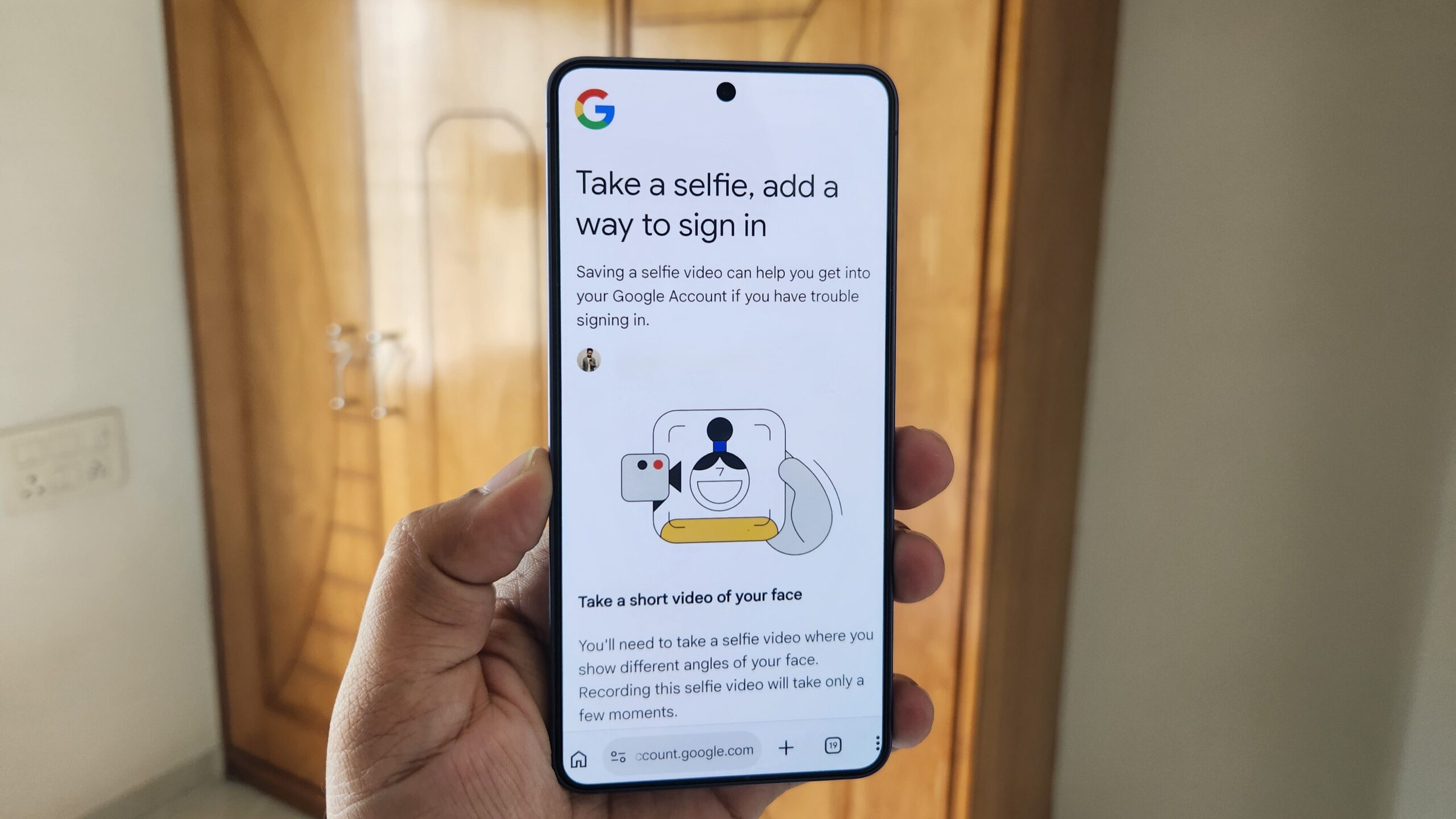
Like many, my initial reaction to Google's new selfie sign-in tool was one of caution, bordering on apprehension. The idea of letting a tech giant scan my face for authentication felt like a significant leap into uncharted privacy territory, leading me to dismiss it outright. However, after careful consideration and putting the technology through its paces, I've had a complete change of heart. What I once viewed with suspicion, I now see as a remarkably secure and convenient feature that everyone should consider setting up.
Affiliate contentGames up to -90% off
Instant key delivery on Instant Gaming
Browse deals →The underlying technology behind Google's selfie sign-in is more sophisticated and privacy-centric than one might initially assume. It doesn't store a direct image of your face; instead, it uses advanced biometric mapping to create a unique mathematical representation. This 'faceprint' is then used for verification, significantly reducing the risk of your actual image being compromised. The process itself is surprisingly fast and seamless, offering a level of convenience that traditional password entry or even two-factor authentication methods often lack.
Beyond the technical safeguards, the primary benefit lies in its enhanced security against common threats. Phishing attempts, keyloggers, and brute-force attacks become far less effective when facial recognition is a primary or secondary authentication factor. It adds a robust layer of protection that leverages something inherently unique to you. While initial discomfort is understandable, the blend of cutting-edge security and unparalleled ease of use makes Google's selfie sign-in a compelling option for anyone looking to bolster their digital defenses. Far from being 'cooked,' I now feel more secure and liberated from the hassles of complex passwords, strongly encouraging others to explore this innovative solution.