Back
Tom's Hardware1 d ago

Nvidia Details Rubin Architecture Optimizations for AI Inference

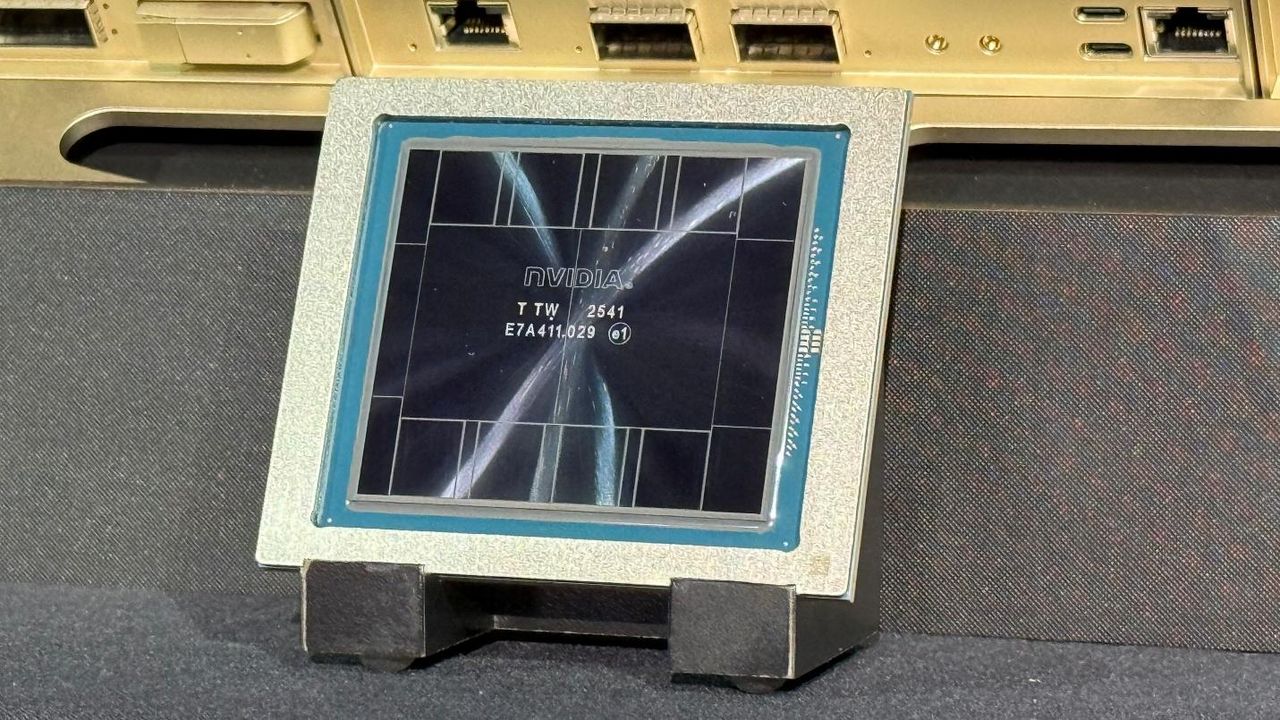
Nvidia has provided an in-depth look at its new Rubin architecture, highlighting significant optimizations designed to enhance AI inference performance and efficiency. These improvements span from individual GPU components to entire data center racks, aiming to deliver superior processing capabilities for AI workloads.

Nvidia Details Rubin Architecture Optimizations for AI Inference

Nvidia has recently unveiled extensive details regarding its upcoming Rubin architecture, emphasizing a series of sophisticated optimizations specifically tailored for artificial intelligence inference workloads. This deep dive into Rubin's design philosophy reveals a concerted effort to enhance both the performance and energy efficiency of AI processing, establishing a new benchmark for data center capabilities.

Affiliate content
Instant Gaming

Games up to -90% off

Instant key delivery on Instant Gaming

Browse deals →

The improvements within the Rubin architecture are not confined to a single component; they represent a holistic approach, stretching from the fundamental design of the GPU itself to the integrated functionality of an entire rack. This comprehensive strategy ensures that every layer of the compute stack, from individual silicon to network interconnects, is optimized to accelerate AI inference tasks. Innovations include refined tensor cores, more efficient memory subsystems, and enhanced data pathways designed to minimize latency and maximize throughput.

Such advancements are crucial as AI models continue to grow in complexity and size, demanding ever-greater computational resources for real-time inference in applications ranging from autonomous driving to large language models. By focusing on efficiency at every level, Nvidia aims to deliver significantly higher performance per watt, helping data centers manage the immense power requirements of modern AI. These architectural innovations in Rubin underscore Nvidia's commitment to pushing the boundaries of what's possible in AI computing, providing developers and enterprises with even more powerful tools to deploy intelligent applications.

Summary based on third-party reporting.

Original source: Tom's Hardware

Recommended

Samsung Galaxy Watch 7 and Ultra 2 Specifications and Pricing Leaked Ahead of Official Launch
Android Authority21 h ago

Samsung Galaxy Watch 7 and Ultra 2 Specifications and Pricing Leaked Ahead of Official Launch

Detailed specifications and European pricing for the upcoming Samsung Galaxy Watch 7 and Watch Ultra 2 have reportedly surfaced. This comprehensive leak offers a glimpse into what consumers can expect from Samsung's next generation of smartwatches.

Read article
Garmin Enters Screenless Wearable Market with New CIRQA Smart Band
Android Authority22 h ago

Garmin Enters Screenless Wearable Market with New CIRQA Smart Band

Garmin has officially joined the segment of screenless fitness trackers with the introduction of its new CIRQA Smart Band. This move positions Garmin as a direct competitor to other minimalist wearable devices like the Fitbit Air, focusing on discreet health monitoring.

Read article
Apple AirTag 2 4-Pack Drops to Lowest Price of the Year
Android Authority22 h ago

Apple AirTag 2 4-Pack Drops to Lowest Price of the Year

The Apple AirTag 2 four-pack is currently available for just $89, matching its all-time lowest price. This deal offers a significant saving for those looking to track multiple items, from keys to bags, with Apple's precision finding technology.

Read article
Galaxy Z Fold 8 Makes Another Appearance in T-Mobile Advertisement
Android Authority23 h ago

Galaxy Z Fold 8 Makes Another Appearance in T-Mobile Advertisement

The Samsung Galaxy Z Fold 8 has once again been spotted in promotional material, this time in a T-Mobile advertisement, further revealing its design and features. With these repeated leaks, it appears there may be little left to officially unveil about Samsung's next foldable flagship.

Read article