As the digital landscape evolves and applications demand ever-increasing resources, the ongoing 'RAMpocalypse' – a period characterized by constrained and expensive system memory – is forcing users to re-evaluate their hardware priorities. When it comes to PCIe SSDs, the common wisdom often champions raw speed. However, for a majority of users, particularly gamers, optimizing for capacity over extreme throughput might be the more practical and impactful choice.
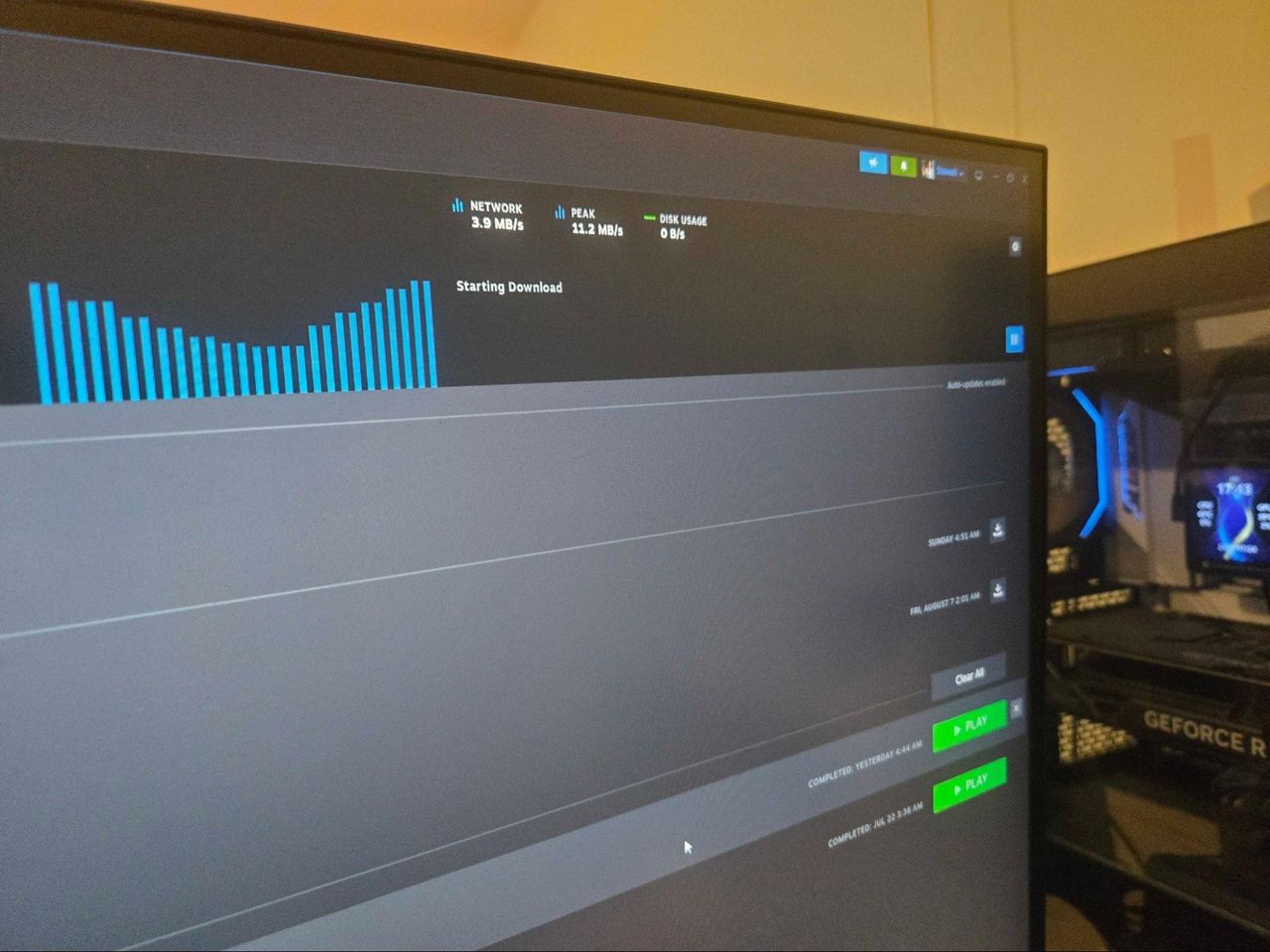
While lightning-fast SSDs boast impressive sequential read/write speeds, translating to quicker loading times in some instances, their real-world benefit tends to diminish beyond a certain threshold for general computing and gaming. Many titles, even graphically intensive ones, are primarily bottlenecked by CPU, GPU, or the amount of available RAM, rather than the absolute peak transfer speeds of an SSD. For these applications, the incremental gains from moving from a high-end Gen4 to a bleeding-edge Gen5 SSD, for example, are often negligible in daily use.
Affiliate contentGames up to -90% off
Instant key delivery on Instant Gaming
Browse deals →Conversely, a larger SSD capacity directly translates to more installed games, software, and media without constantly juggling files or resorting to slower secondary storage. In scenarios where games are optimized to stream assets directly from storage, a larger pool of data readily available can reduce stuttering and improve overall fluidity, especially when system RAM is under pressure.
Ultimately, balancing cost, performance, and practicality, a spacious PCIe SSD might offer a more tangible improvement to the overall user experience compared to investing heavily in marginal speed increases.